
Chemo Brain: How Chemotherapy Affects Your Brain
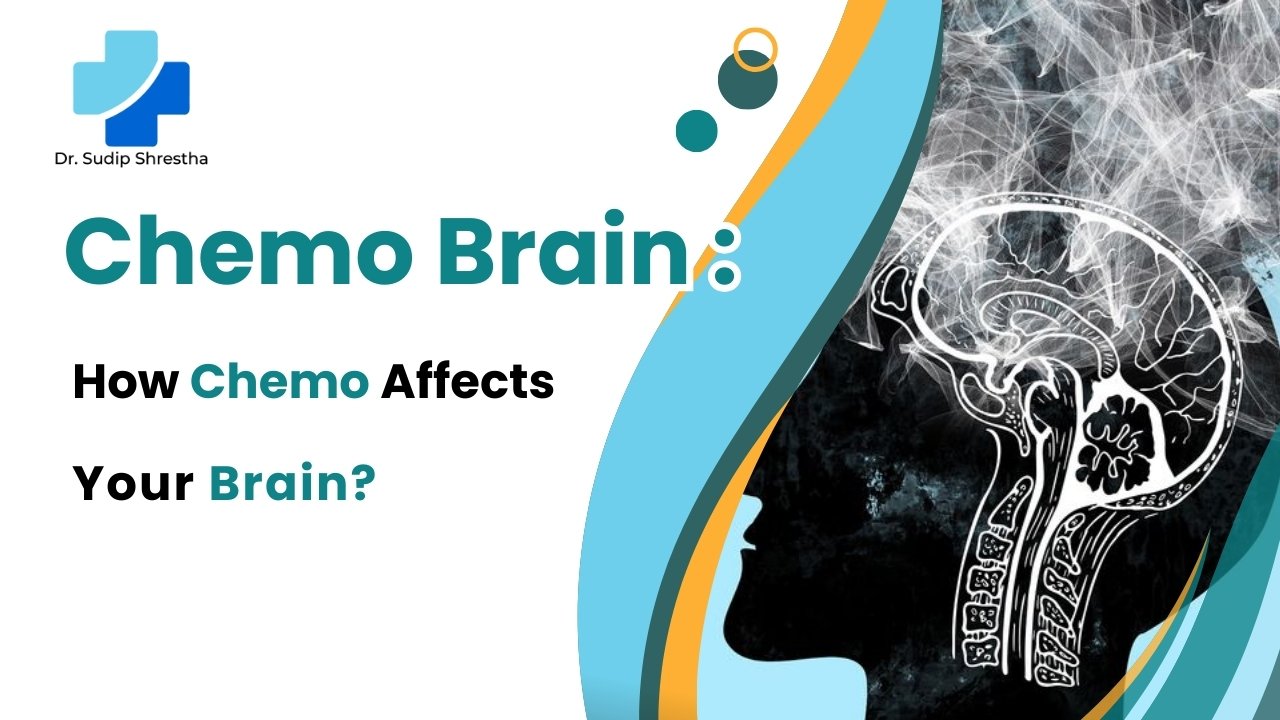
Cancer treatment is a difficult journey, and chemotherapy, while effective, comes with side effects that can significantly impact your daily life. One such side effect is “chemo brain,” a term used to describe the cognitive difficulties that many patients experience during or after chemotherapy. This blog will delve into how chemotherapy affects your brain, especially under the care of a qualified medical oncologist like Dr. Sudip Shrestha, one of Nepal’s leading experts in cancer treatment. What is Chemo Brain? “Chemo brain” refers to a range of cognitive problems that people may face during or after undergoing chemotherapy. These problems can include difficulty remembering things, trouble concentrating, and a general feeling of mental fog. For many, these symptoms can be distressing, making it hard to carry out everyday tasks. Dr. Sudip Shrestha, a highly respected medical oncologist in Nepal, explains that chemo brain is a genuine medical condition, not just a side effect of chemotherapy. Understanding this condition is crucial for patients, their families, and caregivers, as it can affect the recovery process and overall quality of life. How Chemotherapy Affects the Brain The exact reason why chemotherapy affects brain function isn’t entirely clear, but there are several theories. Chemotherapy drugs are designed to kill rapidly dividing cancer cells, but they can also affect healthy cells, including those in the brain. This can lead to inflammation and other changes in brain chemistry that may cause cognitive difficulties. Other contributing factors include stress, fatigue, and changes in hormone levels, all of which are common during cancer treatment. Dr. Sudip Shrestha emphasizes that the severity of chemo brain can vary widely. While some patients might experience mild symptoms, others might struggle with significant cognitive challenges that last long after their treatment has ended. Impact on Daily Life The effects of chemo brain can make everyday life more challenging. Simple tasks like remembering appointments or following a conversation can become difficult. This can be frustrating and can lead to feelings of isolation, as patients may struggle to keep up with their usual activities. In Nepal, where family and community play a significant role in everyday life, the impact of chemo brain can be particularly pronounced. Patients may feel embarrassed or frustrated by their cognitive struggles, which can affect their social interactions and family dynamics. Dr. Sudip Shrestha understands these challenges and works closely with his patients to help them manage the cognitive effects of chemotherapy. His approach is personalized, taking into account each patient’s unique situation and needs. Managing and Coping with Chemo Brain Managing chemo brain involves a combination of medical care, lifestyle changes, and mental exercises. Cognitive exercises, like puzzles or memory games, can help improve brain function. Regular physical activity and a balanced diet are also important, as they support overall brain health. Dr. Sudip Shrestha often recommends mindfulness practices, such as meditation, to help his patients reduce stress and improve focus. In Nepal, where traditional practices and meditation are widely accepted, these techniques can be particularly effective in helping patients manage the cognitive side effects of chemotherapy. Support from family and community is also crucial. Dr. Shrestha encourages patients to join support groups, where they can share their experiences and learn coping strategies from others facing similar challenges. In some cases, medical interventions may be necessary. Dr. Shrestha is well-versed in the latest treatments and therapies for managing chemo brain, ensuring that his patients receive the best possible care. Dr. Sudip Shrestha’s Expertise in Nepal Dr. Sudip Shrestha is a leading medical oncologist in Nepal, known for his expertise in managing the side effects of cancer treatment, including chemo brain. His extensive experience and compassionate approach make him a trusted doctor for patients across the country. With years of experience in treating cancer patients, Dr. Shrestha has developed a deep understanding of how to manage chemo brain effectively. He stays updated on the latest research and treatment methods, ensuring that his patients benefit from the most advanced care available. For patients in Nepal, consulting with Dr. Sudip Shrestha can provide reassurance and expert guidance on managing chemo brain and other side effects of chemotherapy. Conclusion Chemo brain is a challenging side effect of chemotherapy that can affect many aspects of daily life. However, with the right support and strategies, it is possible to manage these cognitive changes effectively. Dr. Sudip Shrestha’s expertise in this area ensures that patients in Nepal receive the comprehensive care they need to navigate the complexities of chemo brain.