Why Does Hair Fall Out During Chemotherapy? Understanding Chemotherapy Hair Loss

Chemotherapy hair loss

Chemotherapy hair loss happens because some cancer medicines affect rapidly dividing cells in hair follicles while they are treating cancer cells. As a result, hair growth slows, hair shafts become fragile, and scalp hair or body hair may begin to shed. Not every chemotherapy medicine causes hair loss, and the amount of shedding depends on the drugs, dose, treatment schedule, and individual response. For many people, noticeable shedding begins around two to three weeks after the first treatment cycle. Hair often starts returning after chemotherapy ends, although regrowth can take time and, in some cases, may remain incomplete. Understanding the expected timeline, practical scalp care, and whether options such as scalp cooling are suitable can make treatment easier to plan. Evidence checked: August 23, 2026. This educational article does not replace advice from your treating oncology team. What is chemotherapy-induced alopecia? Chemotherapy-induced alopecia is the medical term for hair loss caused by certain cancer medicines. It can involve mild thinning, patchy shedding, or more extensive hair loss. Depending on the treatment, changes may affect the scalp, eyebrows, eyelashes, beard, underarms, or other body hair. Hair loss is a treatment side effect, not an infection and not proof that cancer is spreading. It also does not reveal whether a particular treatment is working. The U.S. National Cancer Institute explains that some chemotherapy medicines can affect hair on the head and other parts of the body. Radiation-related hair loss is different because it usually occurs only in the area being treated. Why does chemotherapy cause hair loss? Some chemotherapy medicines affect rapidly dividing cells. Cancer cells often divide quickly, but certain healthy cells also renew rapidly, including the cells that produce hair. When chemotherapy reaches those active hair-follicle cells, it can interrupt normal hair growth and cause the hair to weaken or fall out. Hair follicles spend much of their time in an active growth stage called the anagen phase. During this stage, cells at the base of the follicle multiply to produce the growing hair shaft. Medicines that disrupt cell division can temporarily disturb this process. The American Cancer Society identifies hair follicles, bone marrow, and the digestive tract as examples of healthy tissues that chemotherapy can affect. This helps explain why hair loss may occur alongside other side effects, even though the medicines are being used for an important therapeutic purpose. For additional background, Dr. Shrestha’s explanation of how chemotherapy affects healthy and cancerous cells describes why treatment effects differ across tissues. Does losing hair mean chemotherapy is working? No. Hair loss reflects how a particular treatment affects hair follicles; it does not show whether cancer is responding. Oncologists assess treatment through appropriate examinations, scans, laboratory tests, and other clinical information. A patient can respond well to treatment without losing hair, and visible hair loss does not guarantee a better result. Does every chemotherapy treatment cause hair loss? No. Some chemotherapy regimens cause substantial hair loss, some cause only thinning, and others have little visible effect. The likelihood depends on the specific medicines, their dose, how they are combined, the treatment schedule, and individual factors. Medicines more commonly associated with significant hair loss can include: These examples do not mean every person receiving one of these medicines will have the same experience. A medicine’s effects can change when it is combined with other treatments or given on a different schedule. For example, someone receiving chemotherapy for breast cancer may have a different hair-loss risk from someone receiving treatment for another cancer. Ask your oncology team about the actual names of the medicines in your treatment plan rather than relying on another patient’s experience. Targeted therapies, immunotherapy, and hormone treatments can sometimes cause hair thinning or other hair changes, but their effects are not identical to those of conventional chemotherapy. Radiation therapy usually affects hair only in the treatment field. When does hair loss start during chemotherapy? When hair loss is going to occur, shedding commonly begins about two to three weeks after the first chemotherapy cycle, although the timing varies. The scalp may feel sensitive before hair begins falling out, and shedding can become more noticeable around later treatment cycles. The American Cancer Society’s patient guidance describes this common two-to-three-week pattern. The timeline below is a guide, not a prediction for an individual patient. Treatment stage What may happen Useful next step Before treatment begins Your oncology team can explain whether the planned medicines commonly affect hair. Ask about expected hair loss, scalp care, and scalp-cooling eligibility. Around 2–3 weeks after the first cycle Some people notice thinning, loose hair on the pillow, or increased shedding while washing. Handle hair gently and prepare comfortable head coverings if desired. During later treatment cycles Hair loss may become more noticeable, remain partial, or affect eyebrows and body hair. Continue scalp protection and report painful or inflamed skin. After chemotherapy ends Shedding often settles as hair follicles recover. Ask when it is appropriate to consider hair-regrowth support. Approximately 2–3 months after treatment Many people begin noticing new growth, although timing and thickness vary. Protect new hair and discuss delayed or incomplete regrowth with your clinician. The practical message is that preparation is often easiest before the first infusion. Patients who prepare for chemotherapy treatment can include hair-loss questions alongside discussions about other expected side effects. Some people cut their hair shorter before shedding begins because shorter strands can feel easier to manage. This is a personal preference, not a medical requirement, and it does not prevent hair loss. Which parts of the body can lose hair? Chemotherapy can affect scalp hair, eyebrows, eyelashes, beard hair, underarm hair, and other body hair. The pattern varies between medicines and individuals, and not everyone loses hair in all these areas. Eyebrow or eyelash loss can feel especially noticeable because it changes facial appearance. Loss of nasal hair may also make some people more aware of nasal dryness or irritation, although this is not universal. If your eyelashes thin and your eyes become irritated, ask your … Read more

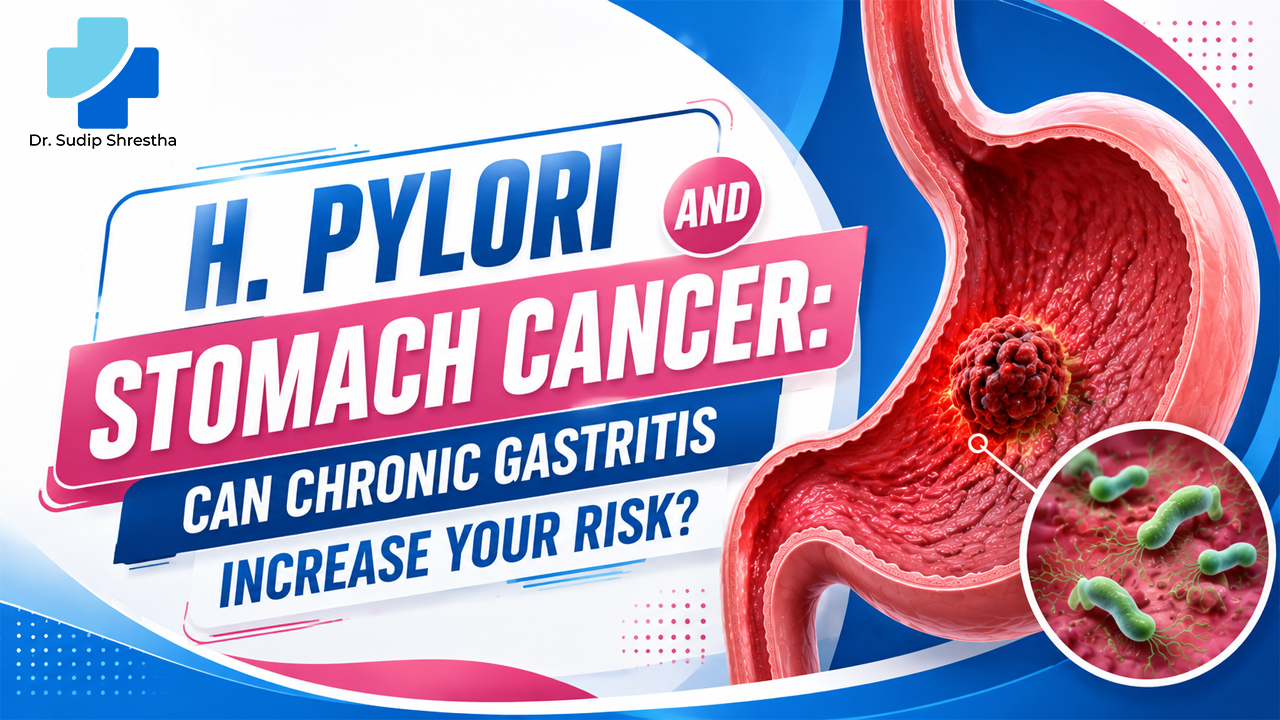
H. pylori and Stomach Cancer: Can Chronic Gastritis Increase Your Risk?

H. pylori and stomach cancer are strongly connected, but the relationship is often misunderstood. Chronic infection with Helicobacter pylori can cause long-lasting inflammation of the stomach lining and is an important cause of non-cardia gastric cancer. However, having H. pylori or gastritis does not mean that a person will automatically develop cancer. The frequently repeated “90%” figure also needs context. An International Agency for Research on Cancer analysis estimated that about 89% of non-cardia gastric cancers worldwide were attributable to H. pylori infection. This does not mean H. pylori causes 90% of all cancers, or that 90% of people infected with the bacterium will develop stomach cancer. Understanding this distinction can help people with recurrent gastritis or a confirmed H. pylori infection take appropriate action without unnecessary fear. What Is H. pylori and How Does It Affect the Stomach? Helicobacter pylori, usually shortened to H. pylori, is a bacterium that can colonize the stomach lining. H. pylori infection is one of the most common causes of chronic gastritis. Many infected people have no obvious symptoms, while others experience indigestion, abdominal discomfort, nausea, ulcers or other gastric problems. Chronic H. pylori infection causes persistent inflammation in the stomach. In some people, that inflammation remains relatively limited. In others, years of inflammation can lead to structural changes in the stomach lining that are associated with a greater risk of gastric cancer. H. pylori has been classified as a human carcinogen because of its established relationship with gastric adenocarcinoma and gastric MALT lymphoma. This makes H. pylori important not only to gastroenterology but also to cancer prevention. What Does the “89% of Stomach Cancer” Statistic Actually Mean? The number is frequently quoted incorrectly. An IARC analysis examining the worldwide cancer burden estimated that 89% of non-cardia gastric cancers were attributable to H. pylori infection. Non-cardia gastric cancer develops in the main part of the stomach rather than the area immediately adjacent to the esophagus. The denominator matters. Statement Is it accurate? Correct interpretation “H. pylori causes 90% of all cancers.” No Cancer has many causes and risk factors. “90% of people with H. pylori get stomach cancer.” No Most infected people do not develop gastric cancer. “Gastritis causes 90% of cancer.” No Gastritis has different causes and does not automatically progress to cancer. “Around 89% of non-cardia gastric cancers were attributable to H. pylori in an IARC global analysis.” Yes This is the population-level estimate being referenced. The original IARC analysis was based on global cancer burden estimates from 2008, so it should also be presented with that historical context rather than as a newly measured 2026 percentage. The practical message is still important: H. pylori is one of the most significant preventable causes of gastric cancer, but individual cancer risk depends on much more than simply testing positive for the infection. How Can H. pylori Gastritis Progress Toward Stomach Cancer? Cancer does not usually appear immediately after H. pylori infection. The concern is persistent inflammation over a long period. NCI describes chronic H. pylori infection as causing long-lasting gastritis in most infected people. In some individuals, this may progress to atrophic gastritis, in which the stomach lining becomes thinner and damaged. The pathway may broadly be understood as: H. pylori infection → chronic inflammation → atrophic gastritis → intestinal metaplasia → dysplastic changes → gastric cancer in some patients This sequence is a risk pathway, not a guaranteed outcome. Atrophic gastritis and gastric intestinal metaplasia are particularly important because NCI recognizes both as conditions associated with an increased risk of stomach cancer. This is why simply asking, “Do I have gastritis?” is sometimes less useful than determining what type of gastritis is present, what caused it, and whether the stomach lining has undergone significant long-term changes. Does Having Gastritis Mean You Will Develop Cancer? No. “Gastritis” simply describes inflammation of the stomach lining. It can have different causes. H. pylori infection is an important cause, but gastritis and stomach cancer are not the same disease. Many people with gastritis never develop cancer. The concern rises particularly when there is long-standing H. pylori infection associated with atrophic changes, intestinal metaplasia or other recognised gastric-cancer risk factors. A useful clinical distinction is therefore: Condition What it means Cancer relevance Acute or uncomplicated gastritis Inflammation of stomach lining Does not mean cancer H. pylori gastritis Chronic infection-related inflammation Can increase long-term gastric-cancer risk Atrophic gastritis Loss/thinning of normal gastric lining Recognised risk condition Gastric intestinal metaplasia Gastric cells replaced by intestinal-type cells Associated with increased gastric-cancer risk Gastric cancer Malignant growth in stomach tissue Requires cancer-specific diagnosis and treatment This distinction can prevent two common mistakes: ignoring persistent symptoms because they are assumed to be “just gastritis,” or becoming unnecessarily frightened because a routine gastritis diagnosis is mistaken for cancer. What Symptoms Can H. pylori Gastritis Cause? Many people with gastritis have no symptoms. When symptoms occur, NIDDK lists problems such as upper-abdominal discomfort, nausea, vomiting, early fullness, excessive fullness after eating and reduced appetite. These symptoms are not specific to cancer. Stomach cancer can also produce vague symptoms such as indigestion, stomach discomfort, bloating after eating, mild nausea, loss of appetite or heartburn. This overlap is one reason symptoms alone cannot reliably distinguish benign gastritis from gastric cancer. Persistent or changing symptoms deserve more attention than an isolated episode of indigestion. Dr. Sudip Shrestha’s existing guidance on early signs of cancer also emphasizes the importance of investigating persistent and unexplained changes rather than trying to diagnose cancer from a single symptom. Which Stomach Symptoms Should Not Be Ignored? Medical evaluation becomes particularly important when symptoms are persistent, progressive or accompanied by warning features. Examples include unexplained weight loss, persistent vomiting, worsening stomach pain, difficulty swallowing, reduced appetite or evidence of gastrointestinal bleeding. NCI lists blood in the stool, vomiting, unexplained weight loss and stomach pain among possible symptoms of more advanced stomach cancer. Black or tarry stool, red blood in vomit or vomit resembling coffee grounds can indicate bleeding in the stomach and … Read more

Is a Breast Lump Always a Sign of Cancer?

Breast Lump

No. A breast lump is not always a sign of cancer. Many lumps are caused by non-cancerous conditions such as breast cysts, fibroadenomas, hormonal breast changes, infection or fat necrosis. However, it is not possible to determine the cause reliably by touching the lump or judging whether it is painful. Every new, persistent or changing breast lump should be medically assessed, even when it feels smooth, moves under the skin or does not hurt. Evaluation may include a clinical breast examination, ultrasound, diagnostic mammography and, when needed, a biopsy. Most breast changes are benign, but timely assessment is the safest way to distinguish a harmless condition from breast cancer. This article provides general education. It cannot diagnose an individual breast lump or replace an examination by a qualified healthcare professional. What is a breast lump? A breast lump is an area that feels different from the surrounding breast tissue. It may feel like a distinct mass, a firm area, localized thickening or a change extending toward the underarm. Some people naturally have breasts that feel nodular or uneven, particularly around menstrual periods. The concern is generally greater when a lump is: A person may discover a lump during bathing, dressing, breastfeeding, self-awareness or a clinical examination. A lump may also appear on imaging before it can be felt. What are the common non-cancerous causes of breast lumps? Most breast lumps and breast changes are not cancer. Benign conditions differ in how they develop, how they feel and whether they require treatment or monitoring. Breast cysts A breast cyst is a fluid-filled sac. It may feel soft, firm, round or tender, and its size or discomfort may change around the menstrual cycle. Cysts are more common before menopause, although they may occur at other ages. Ultrasound can often show whether a lump is fluid-filled or solid. Some cysts require no treatment, while a painful or uncertain cyst may be aspirated or investigated further. A cyst should not be diagnosed by touch alone. Some solid masses can feel smooth, while a tense cyst can feel hard. Fibroadenoma A fibroadenoma is a common benign growth made from glandular and fibrous breast tissue. It often feels smooth, firm or rubbery and may move under the skin. Fibroadenomas are especially common in younger women, but they may occur at any age. Many do not require treatment once imaging and, where necessary, tissue assessment have established the diagnosis. A growing, unusual or symptomatic fibroadenoma may require follow-up or removal. Hormonal or fibrocystic breast changes Hormonal changes can make the breasts feel tender, swollen or generally lumpy. These changes may become more noticeable before a menstrual period and improve afterward. A recurring hormonal pattern can be reassuring, but it should not be used to dismiss a new, dominant lump. A persistent focal area requires evaluation even when the rest of the breasts normally feel nodular. Mastitis or breast abscess Mastitis is inflammation of the breast, often associated with infection and breastfeeding. It may cause: An abscess is a collection of pus that may form as a painful lump. These conditions require medical care and may need antibiotics, drainage or imaging. Not every red or swollen breast is an infection. Rapidly spreading breast redness, swelling or orange-peel skin that does not respond as expected requires reassessment because inflammatory breast cancer can sometimes resemble mastitis. Fat necrosis Fat necrosis occurs when fatty breast tissue is damaged, sometimes after an injury, operation, injection or radiotherapy. It may form a firm lump and can resemble cancer on examination or imaging. The injury may have been minor or forgotten. Imaging and sometimes biopsy are needed when the appearance is uncertain. Other benign or uncommon conditions Other possible causes include: Phyllodes tumours are uncommon. Most are benign, but some are borderline or malignant, so a rapidly growing breast mass needs appropriate assessment. Can you tell whether a breast lump is cancerous by how it feels? No. The feel of a lump may guide clinical suspicion, but it cannot confirm or exclude cancer. People are often told that: These rules are unreliable. A fibroadenoma may feel smooth and mobile, while a cyst may be tender. Some breast cancers feel firm, irregular or fixed, but others may feel round, movable, soft or painful. A person may also have cancer without a lump that can be felt. The practical rule is simple: a new or unexplained lump deserves evaluation regardless of texture, movement or pain. Feature May occur with benign conditions May occur with breast cancer Smooth or round shape Yes Yes Irregular shape Sometimes Yes Moves under the skin Commonly Sometimes Feels fixed Sometimes Yes Pain or tenderness Commonly Sometimes No pain Commonly Commonly Changes with menstrual cycle More suggestive of a hormonal cause Less typical, but does not exclude cancer Rapid growth Possible Possible Skin or nipple changes Possible with infection or inflammation Possible The table shows why touch alone is insufficient. Clinical context, imaging and occasionally pathology provide the answer. Which warning signs should be assessed promptly? A breast lump should be evaluated particularly promptly when it occurs with: These signs do not prove that cancer is present. Infection, inflammation and benign conditions can produce overlapping symptoms. They do, however, increase the importance of timely examination. The website’s article on breast-cancer warning signs in Nepal provides broader symptom and awareness information. When is urgent care appropriate? Seek prompt medical care when a breast lump is accompanied by: These features may indicate a significant infection or another condition requiring timely investigation. How is a breast lump diagnosed? The purpose of assessment is to determine whether the lump is: Evaluation often combines three elements: clinical assessment, breast imaging and tissue sampling when indicated. This combination is sometimes called triple assessment. 1. Medical history The clinician may ask: These details change the probability of different causes but do not establish the diagnosis alone. 2. Clinical breast examination The clinician examines both breasts, nipples and the lymph-node areas under the arms and near the collarbones. The … Read more

Does Cancer Run in Families? Understanding Hereditary Cancer Risk, Genetic Counseling, and Screening

Does Cancer Run in Families

Does cancer run in families? Sometimes, but most cancers are not directly inherited. Around 5%–10% of cancers are believed to result from harmful genetic changes passed from a parent. In other families, several relatives may develop cancer because they share certain behaviours, environmental exposures, or common risk factors. A family history of cancer therefore does not mean that you will inevitably develop the disease. It means your medical oncologist may need to examine the types of cancer in your family, the ages at diagnosis, and which relatives were affected before recommending genetic counseling, testing, or earlier screening. Key Points at a Glance Question Direct answer Is most cancer hereditary? No. Only about 5%–10% of cancers are linked to inherited harmful gene changes. Can cancer come from either parent? Yes. A cancer risk variant may be inherited from the mother’s or father’s side. Does inheriting a mutation guarantee cancer? No. It raises risk but does not determine whether or when cancer will develop. Who may need genetic counseling? People with young age cancers, several affected relatives, rare cancers, or related cancers across generations. Can screening reduce risk? Screening does not prevent every cancer, but it may detect some cancers earlier when treatment can be more effective. These figures describe inherited susceptibility, not certainty. Personal risk depends on the specific gene, family history, age, sex, lifestyle, and other medical factors. Does Cancer Run in Families Because of Genetics? Cancer may appear repeatedly in a family for three broad reasons: an inherited gene variant, shared risk factors, or coincidence. The pattern matters more than the simple presence of cancer in one relative. A single family member diagnosed with a common cancer at an older age usually has a different significance from several close relatives developing related cancers before age 50. Hereditary, familial, and sporadic cancer compared Cancer pattern What it means Common clues Hereditary cancer Cancer risk is increased by a harmful gene variant passed through a family. Early diagnosis, multiple generations affected, rare cancers, bilateral cancers, or multiple cancers in one person Familial cancer Cancer occurs more often in a family, but no single inherited variant has been confirmed. Several relatives affected, possibly due to a combination of genes, lifestyle, and environment Sporadic cancer Cancer develops mainly from genetic changes acquired during life. No strong family pattern; often associated with ageing, exposures, infections, lifestyle, or chance Cancer itself is not passed from one person to another through a family. What may be inherited is a genetic change that increases susceptibility to certain cancers. What Is the Role of Genetics in Cancer? Genes contain instructions that help cells grow, divide, repair damage, and die at the appropriate time. Cancer develops when genetic changes disrupt these normal controls and allow abnormal cells to grow uncontrollably. All cancers involve genetic changes in cells, but not all of those changes are inherited. Germline mutations versus somatic mutations Type of genetic change Where it is found Can it be inherited? Why it matters Germline variant Usually present in nearly every cell from birth Yes May increase cancer risk for the individual and blood relatives Somatic or tumour mutation Found only in the tumour or affected tissue No May influence how the cancer behaves and which treatment may work This distinction is important. A mutation identified during tumour testing does not automatically mean the mutation was inherited. A separate blood or saliva test may be needed to determine whether it is a germline variant. How Much Cancer Is Hereditary? The National Cancer Institute estimates that approximately 5%-10% of cancers are caused by harmful inherited genetic changes. The remaining cancers are mainly associated with genetic damage acquired during life, ageing, environmental factors, infections, lifestyle, or a combination of influences. Some inherited variants can create a much higher lifetime risk for particular cancers. For example: Genetic finding Estimated cancer risk Harmful BRCA1 or BRCA2 variant More than 60% lifetime risk of female breast cancer Harmful BRCA1 variant Approximately 39%–58% lifetime risk of ovarian cancer Harmful BRCA2 variant Approximately 13%–29% lifetime risk of ovarian cancer Autosomal dominant cancer-risk variant in a parent Each child usually has a 50% chance of inheriting the variant A 50% chance of inheriting a variant does not mean a 50% chance of developing cancer. The actual cancer risk depends on the gene’s penetrance, the type of variant, age, sex, lifestyle, and other modifying factors. What Family History Patterns Suggest Hereditary Cancer Risk? One cancer diagnosis in a large family does not automatically indicate an inherited cancer syndrome. Doctors look for patterns that are unusual for sporadic cancer. Genetic counseling may be considered when a personal or family history includes: These clues do not prove that a mutation is present. They indicate that a structured genetic risk assessment may be useful. For a symptom-focused discussion, read this guide to family cancer warning signs. Which Cancers Can Be Hereditary? Several cancers may be associated with inherited cancer syndromes. However, most people who develop these cancers do not necessarily have an inherited mutation. Hereditary syndrome Common genes Cancers that may be associated Hereditary breast and ovarian cancer syndrome BRCA1, BRCA2, PALB2 and others Breast, ovarian, pancreatic, prostate and male breast cancer Lynch syndrome MLH1, MSH2, MSH6, PMS2, EPCAM Colorectal, endometrial, ovarian, stomach, urinary tract and other cancers Familial adenomatous polyposis APC Colorectal and some upper gastrointestinal cancers Li-Fraumeni syndrome TP53 Breast cancer, sarcoma, brain tumours, leukaemia and adrenal cancer Hereditary diffuse gastric cancer CDH1, CTNNA1 Diffuse gastric cancer and lobular breast cancer Multiple endocrine neoplasia type 2 RET Medullary thyroid cancer and certain endocrine tumours Von Hippel–Lindau syndrome VHL Kidney cancer and several benign or malignant tumours Hereditary retinoblastoma RB1 Retinoblastoma and increased risk of certain later cancers The exact cancer spectrum varies by gene. A multigene panel should therefore be selected according to a person’s medical and family history rather than ordered without clinical guidance. Is Cancer Hereditary From the Mother or Father? A harmful cancer-risk variant can be inherited from either the mother or the father. … Read more

Chronic Cough: Could It Be Tuberculosis, Lung Cancer, or Another Serious Condition?

Chronic Cough

A chronic cough is a cough that lasts for more than eight weeks in adults. It is often caused by conditions that can be treated, such as asthma, acid reflux, allergies, smoking related airway disease or a lingering airway irritation after an infection. However, a persistent cough can also be a sign of tuberculosis (TB), lung cancer or another condition that needs timely medical assessment. The key message is simple: do not diagnose the cause from the cough alone. Pay attention to how long it has lasted, whether it is changing, and whether warning signs such as fever, weight loss, coughing up blood, chest pain or breathlessness are present. A proper evaluation can identify the cause and guide safe chronic cough treatment. Quick answer: A cough lasting over eight weeks should be assessed by a clinician, especially when it is worsening, changes a smoker’s usual cough, or occurs with weight loss, blood in sputum, fever, night sweats or shortness of breath. What Does Chronic Cough Mean? Coughing helps clear irritants and secretions from the airways. It becomes clinically important when it persists beyond expected recovery or disrupts sleep and daily life. For adults, clinicians commonly describe a cough as: Cough pattern Usual duration What it may suggest Acute cough Less than 3 weeks Often a viral infection, irritation or a short-term respiratory illness Subacute cough 3 to 8 weeks Often a post-infectious cough, although other causes are possible Chronic cough More than 8 weeks Requires a structured assessment for airway, lung, reflux, medicine-related or other causes Refractory or unexplained cough Persists despite appropriate assessment and treatment May need specialist review and cough-focused management Dry and wet/productive are additional descriptions. Either can become long lasting, so cough character alone cannot confirm or rule out TB, lung cancer or another serious disease. Is Chronic Cough Dangerous? A chronic cough is not automatically dangerous, but it should not be ignored. Many causes are manageable once identified. The concern rises when the cough is persistent, progressively worse, associated with systemic symptoms, or present in a person with risk factors such as tobacco use, previous TB, significant secondhand smoke exposure, chronic lung disease or a family history of lung cancer. Repeated coughing can also disturb sleep, irritate the throat and reduce quality of life. Delayed assessment may postpone treatment of a condition that needs specific care. In Nepal, this is particularly relevant because TB remains an important cause of prolonged respiratory symptoms, while lung cancer is a major cancer burden. IARC GLOBOCAN 2022 estimated 2,431 new lung cancer cases and 2,207 lung-cancer deaths in Nepal that year. These numbers describe the national burden, not an individual person’s risk. They do underline why a cough with warning signs deserves careful evaluation. What Causes Frequent Coughing? Frequent coughing can start in the nose and throat, the airways, the lungs, the stomach, or from a medicine side effect. The most likely explanation depends on the symptom pattern, medical history and examination. 1. Upper Airway Cough Syndrome Allergic rhinitis, sinus inflammation and postnasal drip can irritate the throat and trigger frequent throat clearing or coughing. Nasal blockage, sneezing and a sensation of mucus at the back of the throat may occur. 2. Asthma and Cough-Variant Asthma Asthma can present mainly as coughing rather than obvious wheezing. Symptoms may be worse at night, early in the morning, with exercise, dust, cold air or strong smells. Lung-function testing can help identify airway narrowing and guide treatment. 3. Acid Reflux or Laryngopharyngeal Reflux Stomach contents can irritate the food pipe and upper airway. Symptoms may include heartburn, a sour taste, cough, hoarseness or throat clearing after meals or when lying down. Reflux should be assessed in the full clinical context. 4. Post-Infectious Airway Irritation A cough can continue after a viral illness even when fever and other acute symptoms have resolved. It should gradually improve. A cough that remains unchanged, worsens or lasts beyond eight weeks needs reassessment rather than repeated self-medication. 5. Smoking-Related Disease and Environmental Exposure Tobacco smoke raises the risk of chronic bronchitis, COPD and lung cancer. Secondhand smoke, workplace dust, biomass smoke and air pollution may also aggravate symptoms. A new or clearly changing smoker’s cough should be reviewed. 6. Medicines Some blood-pressure medicines, particularly ACE inhibitors, can cause a dry, persistent cough. Do not stop a prescribed medicine on your own. A clinician can review the timing of symptoms and decide whether an alternative is appropriate. 7. Chronic Lung Conditions COPD, bronchiectasis and other lung diseases can cause ongoing cough. Persistent sputum, recurrent chest infections, wheeze or breathlessness may need pulmonary assessment. Could a Persistent Cough Be Tuberculosis? Yes, a persistent cough can be caused by pulmonary TB, but a cough does not automatically mean TB. TB is an infection caused by bacteria that often affects the lungs. It is preventable and curable with the correct treatment, but it needs confirmed diagnosis and a complete treatment plan. Symptoms that may raise concern for TB include: These features can overlap with many other illnesses, including pneumonia, chronic lung disease and cancer. That is why it is unsafe to rely on a symptom checklist alone. How Is TB Evaluated? A clinician will take a history, examine the chest and decide which tests are appropriate. Depending on symptoms and local protocols, the assessment may include a chest X-ray and sputum testing. WHO recommends rapid molecular tests as an initial diagnostic approach for people being evaluated for TB because they can detect TB bacteria and assess for certain drug resistance more quickly. A chest X-ray alone does not confirm TB; laboratory testing and clinical judgement matter. If TB is diagnosed, treatment must be taken exactly as prescribed and completed. Starting, stopping or sharing medicines without supervision can make treatment harder and increase the risk of drug resistance. Could Chronic Cough Be a Sign of Lung Cancer? A long-lasting cough is one possible symptom of lung cancer, but it is far more often caused by non-cancer conditions. The purpose of evaluation … Read more

Night Sweats Without Fever or Infection: A Possible Warning Sign of Cancer

Night Sweats Without Fever or Infection: A Possible Warning Sign of Cancer

Night Sweats Without Fever can be confusing and worrying, especially when they happen repeatedly without a clear infection, hot weather, heavy blankets, or fever. In many cases, night sweats are caused by hormonal changes, stress, medications, thyroid problems, diabetes, or sleep related issues. However, persistent, drenching night sweats without fever or infection should not be ignored. In some people, they may be a warning sign of cancer, especially blood cancers such as lymphoma or leukemia. The key is not to panic, but to understand the pattern, associated symptoms, and when medical evaluation is necessary. This article explains what night sweats mean, when they may be serious, what symptoms to watch for, and when to consult a Medical Oncologist for timely evaluation and cancer treatment in Nepal. Quick Answer: Are Night Sweats Without Fever Always Cancer? No. Night sweats without fever are not always cancer. Most night sweats are linked to non-cancer causes such as menopause, anxiety, medications, low blood sugar, thyroid imbalance, alcohol use, or sleep environment. But when night sweats are frequent, drenching, unexplained, and occur with symptoms like unexplained weight loss, fatigue, swollen lymph nodes, persistent cough, itching, or loss of appetite, they need medical attention. The concern is higher when the sweating is severe enough to soak clothes or bedsheets and keeps happening even in a cool room. What Are Night Sweats? Night sweats are episodes of excessive sweating during sleep. They are different from feeling warm at night because of hot weather, thick blankets, or poor room ventilation. True night sweats usually involve: Type of Sweating What It Means Mild sweating Slight sweating due to room temperature, clothing, stress, or diet Moderate sweating Waking up sweaty but not soaking clothes or bedding Drenching night sweats Sweating heavily enough to change clothes or bedsheets Recurrent unexplained sweating Repeated episodes without fever, infection, or environmental cause The most important clinical question is not only “Did I sweat at night?” but “Why is this happening repeatedly?” Why Night Sweats Without Fever Need Attention Fever and infection are common reasons for sweating at night. When the body fights infection, body temperature may rise and fall, leading to sweating. But when night sweats happen without fever or infection, doctors usually consider other possible causes, including: This does not mean every unexplained night sweat is dangerous. It means the symptom should be interpreted with the whole clinical picture. For example, occasional sweating during a stressful week is different from repeated drenching sweats with weight loss and swollen lymph nodes. How Can Night Sweats Be a Warning Sign of Cancer? Cancer can sometimes trigger night sweats because of changes in the immune system, inflammation, hormone like substances, or the body’s response to abnormal cells. This is more commonly discussed in relation to blood cancers, especially lymphoma. In lymphoma, night sweats may occur with fever and unexplained weight loss. These are often called “B symptoms” in medical practice. Cancer-related night sweats are often described as: Night sweats alone do not diagnose cancer. But they may become clinically important when they appear together with other warning signs. Cancers Commonly Associated With Night Sweats Night sweats can occur in different medical conditions, but some cancers are more commonly associated with this symptom. Possible Cancer Type Why Night Sweats May Occur Other Symptoms to Watch Lymphoma Immune system activity and inflammatory response Swollen lymph nodes, fever, weight loss, itching, fatigue Leukemia Abnormal blood cells affecting the body’s normal function Fatigue, infections, bruising, paleness, weight loss Neuroendocrine tumors Hormone-like substances may affect sweating and flushing Flushing, diarrhea, wheezing, abdominal symptoms Advanced cancers Body inflammation, metabolic changes, or treatment effects Weight loss, fatigue, pain, appetite loss Among these, lymphoma is one of the most well-known cancers linked with drenching night sweats. However, diagnosis requires proper medical history, physical examination, blood tests, imaging, and sometimes biopsy. Night Sweats and Lymphoma: What Makes It Different? Lymphoma is a cancer of the lymphatic system. The lymphatic system is part of the immune system and includes lymph nodes, spleen, bone marrow, and lymph vessels. Night sweats related to lymphoma are often not mild. Many patients describe them as heavy sweating that soaks nightclothes or bed sheets. Other possible lymphoma symptoms include: A painless lump that stays for weeks, especially with drenching night sweats, should be checked by a doctor. Night Sweats and Leukemia Leukemia is a cancer of blood-forming tissues, including bone marrow. It can affect the production and function of white blood cells, red blood cells, and platelets. Night sweats in leukemia may occur due to the body’s response to abnormal blood cells, infection risk, or inflammation. Other symptoms may include: Because many leukemia symptoms can look like common illnesses, persistent symptoms should not be dismissed. Common Non-Cancer Causes of Night Sweats Most night sweats are not caused by cancer. A balanced evaluation should always consider common causes first. Cause How It May Cause Sweating Clues Hot room or heavy blankets Body overheats during sleep Improves with cooler room Menopause or perimenopause Hormonal changes affect temperature control Hot flashes, irregular periods Anxiety and stress Nervous system activation Racing thoughts, poor sleep Medications Some drugs affect sweating Started after new medicine Thyroid imbalance Overactive metabolism Weight loss, tremor, palpitations Low blood sugar Body stress response during sleep Diabetes, skipped meals, sweating with weakness Sleep apnea Repeated breathing disturbance Snoring, daytime sleepiness Infections Body temperature changes Fever, cough, diarrhea, weakness Alcohol use Affects sleep and body temperature Sweating after alcohol intake This is why self-diagnosis can be misleading. A doctor will look at the full symptom pattern before deciding which tests are needed. When Are Night Sweats More Concerning? Night sweats become more concerning when they are persistent, severe, unexplained, and associated with other symptoms. See a doctor if night sweats: A single night of sweating is usually not a major concern. A repeated pattern deserves attention. Difference Between Normal Night Sweats and Possible Cancer-Related Sweats Feature Usually Less Concerning Needs Medical Evaluation Frequency Occasional Recurrent or worsening Severity Mild sweating Drenching sweat … Read more

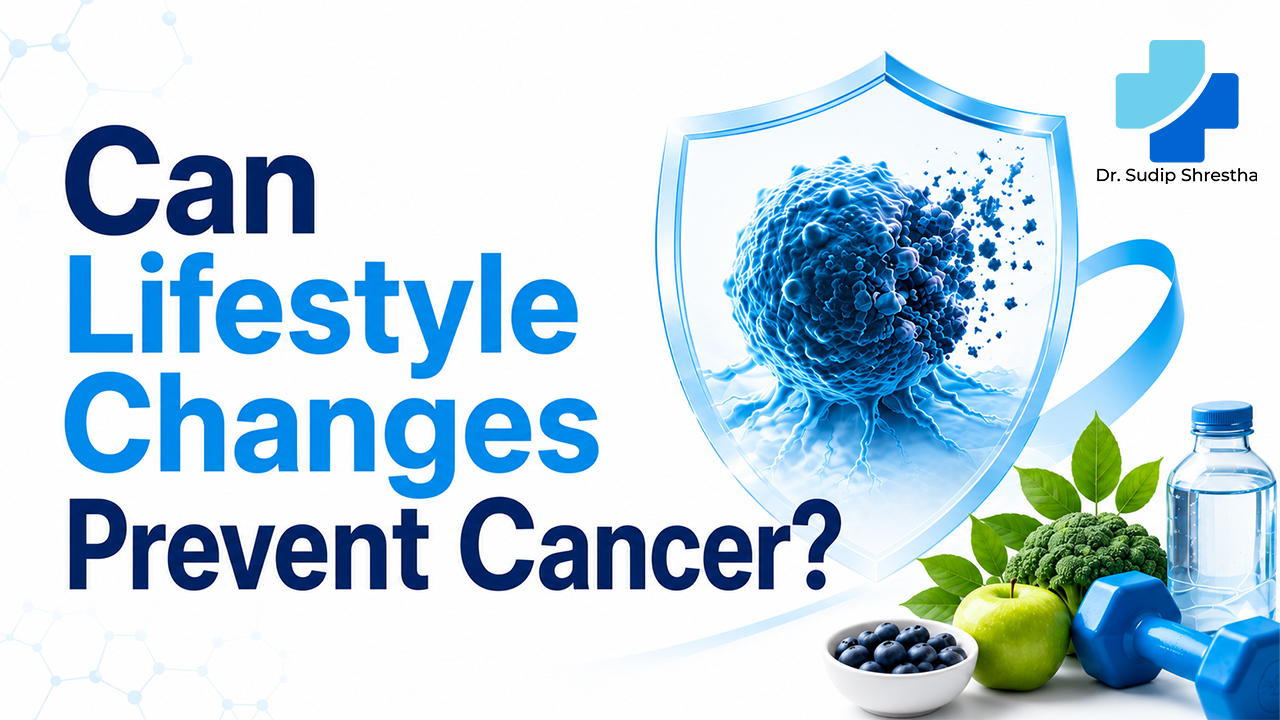
Can Lifestyle Changes Prevent Cancer?

Can Lifestyle Changes Prevent Cancer

Can Lifestyle Changes Prevent Cancer? The answer is…., Yes, healthy lifestyle changes can reduce the risk of many cancers, but they cannot prevent cancer completely. Cancer can also be influenced by age, genetics, infections, environment, and random cell changes. The goal of cancer prevention is not to promise 100% protection. It is to lower avoidable risks, detect cancer early, and support better long-term health. According to the World Health Organization, tobacco use, alcohol consumption, unhealthy diet, physical inactivity, and air pollution are major cancer risk factors. WHO also states that 30-50% of cancer deaths could be prevented through risk reduction and evidence-based prevention strategies. For people in Nepal, this means daily choices matter: avoiding tobacco, limiting alcohol, maintaining a healthy weight, eating more plant-based foods, staying active, getting vaccinated, and attending recommended screening. Can lifestyle changes really reduce cancer risk? Lifestyle changes can reduce the risk of several common cancers, including cancers of the lung, mouth, throat, liver, bowel, breast, cervix, and stomach. The World Cancer Research Fund states that up to 40% of cancer cases are preventable, mainly through healthy lifestyle and environmental changes. However, cancer prevention should be understood carefully. Lifestyle changes can: Lifestyle action How it helps Avoiding tobacco Reduces risk of lung, mouth, throat, bladder, pancreas, and other cancers Staying active Helps weight control, insulin balance, immunity, and inflammation Healthy diet Supports gut health and reduces exposure to processed-food risks Limiting alcohol Lowers risk of several cancers Vaccination Helps prevent HPV-related and hepatitis B-related cancers Screening Detects selected cancers early before symptoms appear Lifestyle changes cannot guarantee that cancer will never occur. They reduce risk. Why cancer prevention matters in Nepal Cancer cases are increasing in Nepal due to longer life expectancy, lifestyle changes, tobacco use, pollution, infections, delayed screening, and improved diagnosis. Many patients still visit hospitals only after symptoms become serious. This can make treatment more complex and expensive. Early prevention and screening can reduce the need for advanced cancer treatment in Nepal. When cancer is detected early, treatment is often more effective and less intensive. Dr. Sudip Shrestha is a senior consultant medical oncologist and Executive Chairman of Nepal Cancer Hospital and Research Center, with long-standing contributions to oncology services in Nepal. The biggest lifestyle-related cancer risk factors 1. Tobacco use Tobacco is one of the strongest preventable causes of cancer. This includes cigarettes, chewing tobacco, khaini, gutkha, hookah, and secondhand smoke. The National Cancer Institute notes that tobacco products contain chemicals that damage DNA and increase cancer risk. Tobacco is linked with cancers of the lung, mouth, throat, voice box, esophagus, bladder, kidney, pancreas, stomach, cervix, and blood. Best prevention step: Do not start tobacco. If you use it, seek medical help to quit. 2. Alcohol consumption Alcohol increases the risk of several cancers, including mouth, throat, esophagus, liver, colorectal, and breast cancer. There is no completely “safe” level of alcohol for cancer prevention. Reducing or avoiding alcohol is the better choice. 3. Unhealthy diet A cancer-preventive diet does not mean a strict or expensive diet. It means eating more whole foods and fewer highly processed foods. Focus on: WCRF recommends eating a diet rich in whole grains, vegetables, fruit, and beans, while limiting fast foods, processed meat, sugary drinks, and alcohol. 4. Physical inactivity Regular physical activity helps reduce cancer risk by supporting body weight, hormone balance, immune function, digestion, and inflammation control. Aim for walking, cycling, household activity, sports, yoga, or any movement you can maintain consistently. The American Cancer Society links excess body weight, physical inactivity, unhealthy diet, and excess alcohol with about 1 in 5 cancers. 5. Excess body weight Excess body fat is linked with several cancers, including breast cancer after menopause, colorectal cancer, endometrial cancer, kidney cancer, liver cancer, and pancreatic cancer. The goal is not appearance. The goal is metabolic health. Healthy weight management should be gradual and medically appropriate. 6. Infections Some cancers are linked to infections. Important examples include: Infection Related cancer risk HPV Cervical, throat, anal, penile, vulvar cancers Hepatitis B and C Liver cancer H. pylori Stomach cancer HPV vaccination, hepatitis B vaccination, safe practices, and medical treatment for infections can reduce risk. 7. Sun and radiation exposure Excess ultraviolet radiation increases skin cancer risk. Use shade, protective clothing, and sunscreen when exposed to strong sunlight. Unnecessary radiation exposure should also be avoided, but medically needed scans should not be skipped when recommended. Practical cancer prevention plan Eat more protective foods A simple Nepali plate can support cancer prevention: Plate section Examples Half plate Saag, cauliflower, carrot, cucumber, seasonal vegetables Quarter plate Dal, beans, egg, fish, chicken, soy Quarter plate Brown rice, roti, dhido, millet, oats Add-ons Fruit, curd, nuts, seeds Move daily You do not need a gym. Start with brisk walking, stairs, stretching, cycling, or active household work. Consistency matters more than intensity. Avoid tobacco completely This is one of the most powerful cancer prevention steps. Secondhand smoke should also be avoided, especially around children, elderly people, and patients. Limit or avoid alcohol For cancer prevention, avoiding alcohol is best. If someone drinks, reducing frequency and quantity is safer than regular drinking. Get vaccinated Ask your doctor about: These vaccines can prevent infections linked to cancer. Do cancer screening Screening means checking for cancer before symptoms appear. Screening can help detect selected cancers early. Common screening areas include: Cancer type Screening method Cervical cancer Pap smear, HPV test, VIA Breast cancer Clinical breast exam, mammography when advised Colorectal cancer Stool test, colonoscopy when advised Lung cancer Low-dose CT for selected high-risk individuals Oral cancer Oral examination, especially for tobacco users Screening should be based on age, symptoms, family history, and risk factors. When should you consult a medical oncologist in Nepal? You should consult a medical oncologist if you have: An oncologist helps plan diagnosis, staging, treatment, follow-up, and supportive care. Can lifestyle changes help after cancer diagnosis? Yes. Healthy habits may support strength, treatment tolerance, recovery, and quality of life. But lifestyle changes should not replace medical … Read more

What Exactly Is Cancer Screening? A Guide to Cancer Screening in Nepal

cancer doctor in kathmandu

Cancer Screening means checking for cancer before its symptoms appear. The screening for cancer is done to detect certain selected cancer early so that the treatment can be more effective and to increase the positive result of the cancer treatment. The cancer screening in Nepal is recommended based on different factors such as age, sex, family history and overall health. What Is Cancer Screening? Cancer screening is the process of looking for cancer or pre-cancerous changes in people who do not have symptoms. The National Cancer Institute explains that screening tests aim to find cancer before symptoms develop, when it may be easier to treat successfully. A simple way to understand cancer screening is tabulated below: Term Meaning Screening Testing apparently healthy people to look for early cancer or pre-cancer Diagnosis Confirming whether cancer is present after symptoms or abnormal screening Monitoring Follow-up testing after cancer treatment or after a known abnormality Risk assessment Estimating someone’s chance of cancer based on age, family history, habits, genes, or medical history Screening does not mean a person has cancer. It means the doctor is checking whether further evaluation is needed. For example, a mammogram may detect an abnormal breast area. That does not automatically mean breast cancer. It may lead to additional imaging, clinical examination, or biopsy if needed. Similarly, a positive stool test does not confirm colon cancer, but it tells the doctor that colonoscopy may be required. Why Is Cancer Screening in Nepal Important? Cancer screening in Nepal is important because many cancers are still diagnosed late, often after symptoms become obvious. Late diagnosis can make treatment more complex, expensive, and emotionally difficult for patients and families. According to IARC’s CanScreen5 Nepal fact sheet, Nepal’s overall cancer incidence is estimated at 81.6 per 100,000 persons per year, while cancer mortality is 55.3 per 100,000 persons per year. Cervical cancer is listed as the most common cancer site by incidence and mortality among females, while lung cancer is listed as the most common cancer site by incidence and mortality among males. Nepal has also introduced national level cancer prevention and control planning. The Ministry of Health and Population launched the Nepal Cancer Control Strategy 2024-2030, covering prevention, early detection, diagnosis, treatment, and palliative care. This matters because screening is only useful when it is connected to the next steps: proper diagnosis, timely referral, and access to cancer treatment in Nepal when required. What Types of Cancer Can Be Screened For? Not every cancer has a recommended screening test for the general population. Good screening tests are used when evidence shows they can detect disease early enough to make a meaningful difference. The CDC highlights screening for breast, cervical, colorectal, and lung cancers as major evidence based screening areas. Common cancer screening tests include: Cancer Type Common Screening Method Who May Need It Cervical cancer HPV test, Pap smear, VIA Women in recommended age groups Breast cancer Mammography, clinical breast exam Women based on age and risk Colorectal cancer FIT/stool test, colonoscopy Adults from recommended age groups or earlier if high risk Lung cancer Low-dose CT scan Heavy smokers or former smokers in specific age/risk groups Oral cancer Mouth examination Tobacco, betel nut, alcohol users, or suspicious lesions Prostate cancer PSA blood test with doctor discussion Selected men after shared decision-making The right test depends on the person. A 32 year old woman, a 50 year old man who smokes, and a 45 year old person with a family history of colon cancer may need very different screening plans. Cancer Screening in Nepal: Which Tests Are Most Relevant? 1. Cervical Cancer Screening in Nepal Cervical cancer screening is one of the most important public health priorities in Nepal. WHO recommends starting regular cervical cancer screening at age 30 for the general population of women, with priority for women aged 30-49. WHO also notes that women living with HIV may need earlier screening from age 25.  In Nepal, older national guidance recommended VIA screening every 5 years for women aged 30-60. A 2024 PLOS Global Public Health paper notes that Nepal’s 2010 national cervical screening guideline recommended visual inspection with acetic acid every 5 years in women aged 30–60, while also reporting that Nepal has no national or regional breast cancer screening program. Cervical screening may include: Test What It Checks VIA Visual inspection of the cervix after applying acetic acid Pap smear Abnormal cervical cell changes HPV DNA test High-risk HPV infection linked to cervical cancer risk Cervical cancer is often preventable because screening can detect pre-cancerous changes before they become cancer. HPV vaccination is also important, but vaccination does not replace screening in adulthood. Nepal has made progress in HPV vaccination. WHO Nepal reported that the government aims to fully vaccinate 90% of girls aged 10-14 and ensure that at least 90% of women aged 30-49 receive cervical cancer screening by 2030. 2. Breast Cancer Screening Breast cancer screening usually involves mammography, which is an X-ray of the breast. A mammogram can sometimes detect cancer before a lump is felt. The USPSTF recommends biennial screening mammography for women aged 40-74 years. This recommendation applies to women at average risk and some women with common risk factors, but women with very high risk may need individualized advice. Breast screening may involve: Method Purpose Breast awareness Knowing your normal breast changes and reporting concerns Clinical breast exam Doctor examination when symptoms or concerns exist Mammography Screening test for early breast cancer detection Ultrasound/MRI Additional tests in selected cases, not routine for everyone In Nepal, access to mammography may vary by location. People in Kathmandu and major cities may have easier access than those in rural areas. That is why awareness, timely consultation, and referral pathways are important. A medical oncologist in Nepal may not be the first doctor you see for breast screening, but they become important if cancer is diagnosed or if treatment planning is needed. 3. Colorectal Cancer Screening Colorectal cancer affects the colon or rectum. Screening can detect early … Read more

Family History of Cancer? Why a Cancer Doctor in Kathmandu Says Warning Signs Matter

cancer doctor in kathmandu

If cancer runs in your family, it does not always mean you will develop cancer. But it does mean you should pay closer attention to warning signs, screening, and medical advice. A cancer doctor in Kathmandu can help assess whether your family history increases your risk and whether you need earlier or more frequent check-ups. Many cancers are easier to manage when detected early. The goal is not to panic, but to understand your personal risk, notice unusual body changes, and seek timely medical guidance. Cancer is a growing health concern in Nepal. GLOBOCAN 2022 estimated 22,008 new cancer cases and 14,704 cancer-related deaths in Nepal, with lung, breast, cervical, stomach, and colorectal cancers among the most frequently reported cancers. Why Does Family History Matter in Cancer Risk? Family history matters because some cancers can be linked to inherited gene changes, shared lifestyle factors, or common environmental exposures. According to the U.S. National Cancer Institute, about 5%–10% of all cancers are thought to be caused by harmful inherited genetic changes passed down from a parent. That also means most cancers are not directly inherited. A person may still develop cancer without any family history. Similarly, someone with a family history may never develop cancer. The important point is this: family history helps doctors decide whether you need closer monitoring, genetic counseling, or screening earlier than the general population. When Should You Talk to a Cancer Doctor in Kathmandu About Family History? You should consider speaking with a cancer doctor in Kathmandu if one or more close relatives have had cancer, especially at a younger age. A “close relative” usually means a parent, sibling, child, grandparent, aunt, uncle, or cousin. The risk may be more significant when cancer appears across generations or when the same type of cancer occurs in several relatives. The CDC notes that family health history can help doctors decide what cancer screening tests are needed, when screening should start, and whether genetic counseling may be useful. Family History Patterns That Need Medical Attention Family history pattern Why it matters Cancer diagnosed before age 50 May suggest inherited risk in some cancers Multiple relatives with the same cancer May indicate a family pattern Breast and ovarian cancer in the family May suggest hereditary breast and ovarian cancer syndrome Colon and uterine cancer in the family May suggest Lynch syndrome Cancer in both paired organs, such as both breasts May need specialist risk assessment Rare cancers, such as male breast cancer Often needs further evaluation A known inherited cancer gene in the family Blood relatives may also need counseling The National Cancer Institute recommends considering genetic counseling or testing when family patterns suggest hereditary cancer risk, such as multiple close relatives with similar cancers, young-age diagnosis, or rare cancer types. What Are the Cancer Warning Signs You Should Not Ignore? Cancer warning signs are not always dramatic. Many early symptoms can look like common health problems. But symptoms that are persistent, unexplained, worsening, or unusual for your body should be checked. The National Cancer Institute lists symptoms such as breast changes, bladder changes, unexplained bleeding, bowel changes, persistent cough, eating problems, fatigue, fever, night sweats, and mouth changes as possible cancer-related warning signs. Common Warning Signs to Discuss With an Oncologist Warning sign What it may look like Unexplained weight loss Losing weight without diet, exercise, or illness A new lump or swelling Lump in breast, neck, armpit, abdomen, groin, or testicle Unusual bleeding Blood in stool, urine, cough, vomit, or abnormal vaginal bleeding Persistent cough or hoarseness Cough or voice change that does not improve Change in bowel habits Ongoing diarrhea, constipation, narrow stool, or blood in stool Change in urination Blood in urine, pain, difficulty, or frequent urination Non-healing wound or mouth ulcer Sore that does not heal after several weeks Difficulty swallowing Food feels stuck, painful swallowing, or persistent indigestion Skin or mole changes Change in size, shape, color, bleeding, or itching Long-lasting fatigue Severe tiredness that does not improve with rest Having one symptom does not mean you have cancer. But ignoring symptoms because “it may be nothing” can delay diagnosis. Why Early Detection Matters for Cancer Treatment in Nepal Early detection can reduce delays in diagnosis and treatment. The World Health Organization explains that cancer mortality can be reduced when cases are detected and treated early. Early diagnosis focuses on recognizing symptoms promptly, while screening looks for cancer before symptoms appear. This is especially important for people with a family history of cancer. For example, someone with a strong family history of colorectal cancer may need screening earlier than someone with average risk. A woman with a strong family history of breast or ovarian cancer may need a personalized breast screening plan. In Nepal, lung cancer, breast cancer, cervical cancer, stomach cancer, and colorectal cancer are among the most common cancers reported by GLOBOCAN 2022. That makes awareness, timely consultation, and appropriate screening important parts of cancer prevention and early care. Does Family History Mean You Need Genetic Testing? Not always. Genetic testing is useful for some people, but it is not needed for everyone with a family history of cancer. A doctor or genetic counselor usually reviews your personal history, family history, cancer types, and age at diagnosis before recommending testing. The National Cancer Institute explains that genetic testing for inherited cancer risk is usually done using blood, saliva, cheek cells, or other tissue samples, and it looks for inherited gene changes that may increase cancer risk.  Genetic Testing vs Tumor Testing Type of test Purpose Who may need it Genetic testing for inherited risk Looks for inherited gene changes passed through family People with strong family cancer patterns Tumor genetic testing Looks for changes in cancer cells that may guide treatment Some patients already diagnosed with cancer These are not the same test. Tumor testing may guide treatment, while inherited genetic testing helps assess family-related risk. Which Cancers Are More Often Linked With Family History? Some cancers have stronger known links … Read more

The Hidden Struggle: Psychological Effects of Cancer on Patients and Loved Ones

cancer specialist in Kathmandu

Cancer affects far more than the body. A diagnosis can disrupt emotions, relationships, work, sleep, and daily confidence for both patients and families. As a cancer specialist in Kathmandu, Dr. Sudip Shrestha sees that fear, uncertainty, and emotional exhaustion often become part of the cancer journey alongside scans, surgery, chemotherapy, or immunotherapy. Recognising these psychological effects early can help patients and loved ones cope better, communicate more clearly, and improve overall quality of life. Evidence from WHO, the National Cancer Institute, and peer-reviewed studies shows that emotional distress in cancer care is common and should be addressed as a routine part of treatment, not as an afterthought.  Why does cancer affect mental health so deeply? Cancer creates uncertainty at almost every step. Patients may worry about survival, pain, body image, fertility, finances, and whether treatment will work. Loved ones often carry a different burden: caregiving, decision-making, transport, hospital visits, and the fear of losing someone they love. This is why cancer-related distress is not simply “sadness.” It can include anxiety, low mood, irritability, sleep problems, panic, guilt, hopelessness, poor concentration, and social withdrawal. The American Cancer Society notes that anxiety, depression, distress, and loneliness can affect patients during and after treatment, and caregivers can also experience major psychological strain. What psychological effects are common in patients with cancer? 1. Anxiety after diagnosis The days after diagnosis are often the hardest. Many patients feel shock, denial, or fear. Some become preoccupied with scan reports, test results, and survival statistics. Anxiety may rise before surgery, chemotherapy cycles, biopsy reports, or follow-up appointments. Even patients who appear calm outwardly may experience racing thoughts and difficulty sleeping. 2. Depression during treatment Depression in cancer is not always obvious. It may look like fatigue, lack of motivation, appetite changes, withdrawal, crying spells, or a sense that nothing matters anymore. A 2024 study from Nepal Cancer Hospital in Nepal found a high burden of depression and anxiety among patients receiving cancer care, reinforcing the need for emotional screening in routine oncology practice. ) 3. Loss of identity and body image distress Patients may struggle emotionally after hair loss, weight loss, surgical scars, mastectomy, stoma formation, or changes in sexual function. For many, cancer changes how they see themselves, not just how they feel physically. This can affect confidence, intimacy, social participation, and willingness to continue treatment. 4. Fear of recurrence Even after successful treatment, many patients live with a quiet but constant fear that cancer may return. This “scanxiety” before follow-up tests is common and can continue for years. ASCO guidance on anxiety and depression in cancer survivors highlights that mental health symptoms may persist beyond active treatment and deserve proper evaluation and management.  How does cancer affect loved ones and caregivers? Family members often become unpaid full-time caregivers. They may manage medicines, appointments, finances, meals, and emotional support while trying to stay “strong” for the patient. But caregivers also suffer. The National Cancer Institute states that caregivers have emotional, social, and financial needs, and caregiver distress tends to increase, especially when disease burden rises or care becomes more intense.   Research from Nepal also shows this clearly. A 2024 study on informal caregivers of patients with cancer in tertiary hospitals in Nepal found substantial depression and anxiety among caregivers, while newer Nepal-based studies report clinically significant distress in a high proportion of primary caregivers.  Common psychological effects on loved ones Many caregivers delay their own health checkups and ignore their emotional state. That may reduce their ability to support the patient over time. Quick comparison: emotional impact on patients vs loved ones Area Patients with Cancer Loved Ones / Caregivers Main fear Survival, pain, treatment success Losing the patient, caregiving burden Daily stress Symptoms, side effects, uncertainty Logistics, finances, emotional labour Common emotions Anxiety, sadness, anger, helplessness Worry, guilt, exhaustion, frustration Social effects Withdrawal, body image concerns Isolation, reduced personal time Sleep effects Before tests or treatment Due to caregiving demands and worry Long-term issue Fear of recurrence Caregiver burnout or prolonged grief This comparison helps answer a key search intent question: cancer affects the whole family, not only the patient. How common is distress in cancer care? Distress is common enough that major oncology organisations recommend screening for it. The NCCN Distress Thermometer is a widely used screening tool in cancer care. NCCN patient guidance explains that the Distress Thermometer and Problem List help identify emotional, family, physical, practical, and spiritual issues that may affect care.   At the same time, caregiver mental health is still often missed. In a survey of over 100 community cancer clinics cited by NCI, only 16% routinely screened caregivers for distress, even though caregiver burden is well recognised.  A recent umbrella review reported pooled prevalence estimates of about 33.16% for depression and 30.55% for anxiety among cancer survivors, showing that mental health symptoms remain significant even after treatment.  Why early emotional support matters in cancer treatment Emotional distress can affect practical treatment outcomes. When patients are overwhelmed, they may eat poorly, sleep badly, skip appointments, struggle to understand treatment plans, or delay reporting side effects. Supportive care and palliative care are important here. WHO defines palliative care as an approach that improves quality of life for patients and families facing life-threatening illness by addressing physical, psychosocial, and spiritual suffering.  That means emotional care is not “extra.” It is part of good oncology. For anyone searching for a cancer specialist in Kathmandu, cancer doctor in Nepal, or cancer surgeon, this is an important point: a strong cancer team treats both disease burden and human distress. What signs suggest a patient or caregiver needs professional help? Seek help if distress lasts more than two weeks or begins affecting daily life. Warning signs may include: ASCO guidance recommends screening, assessment, and appropriate referral when anxiety or depression is suspected in people living with or beyond cancer.   What actually helps patients cope better? 1. Clear information from the oncology team Uncertainty often increases fear. When doctors explain the diagnosis, stage, treatment goals, side … Read more