Lung Cancer

Lung cancer in Nepal

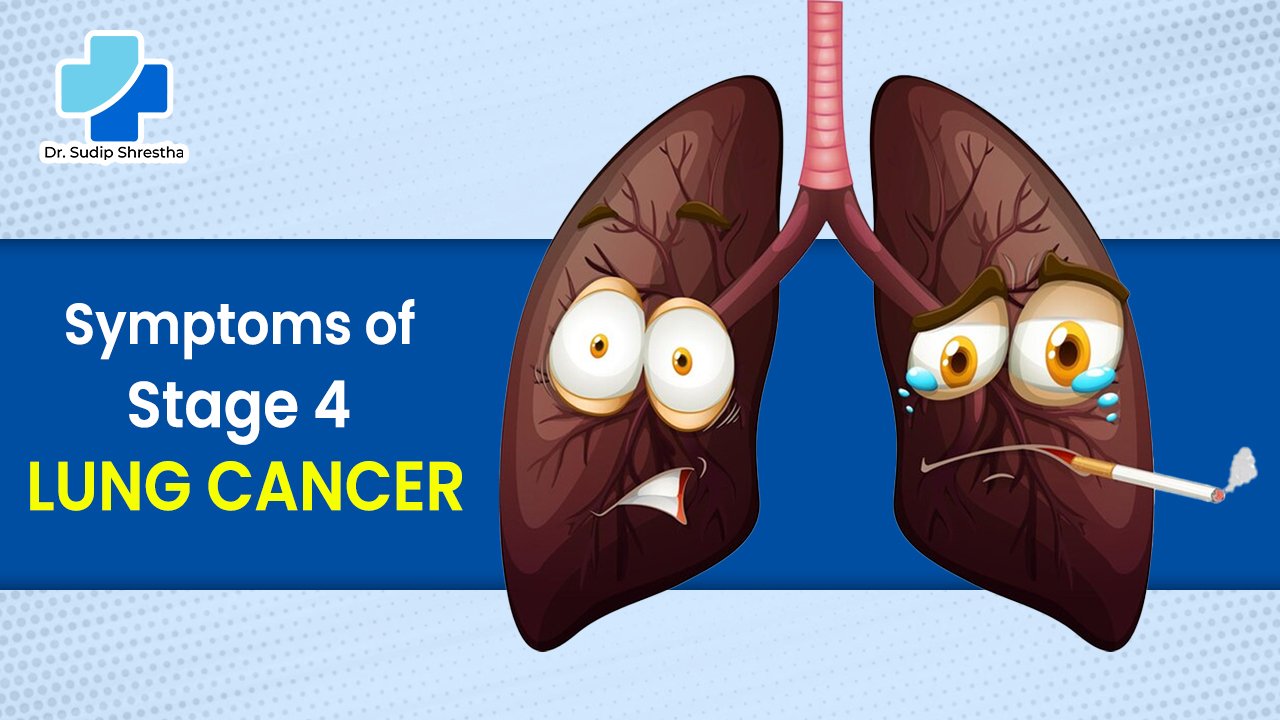
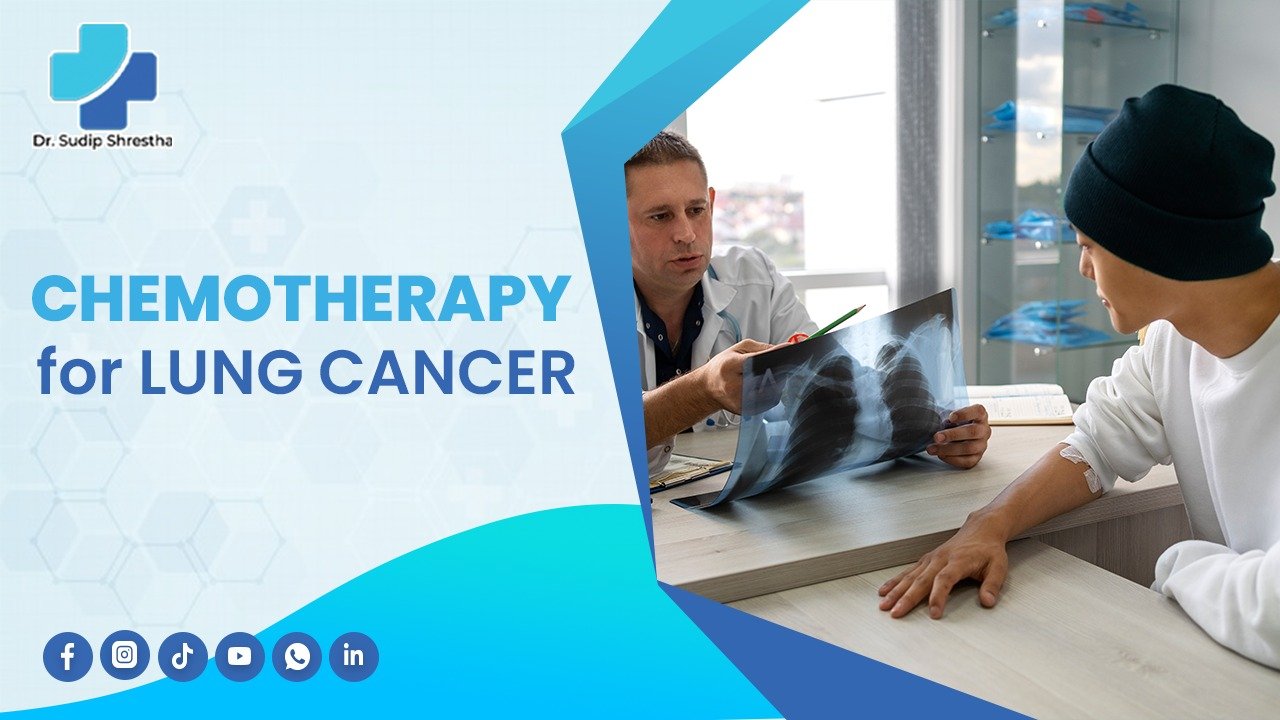
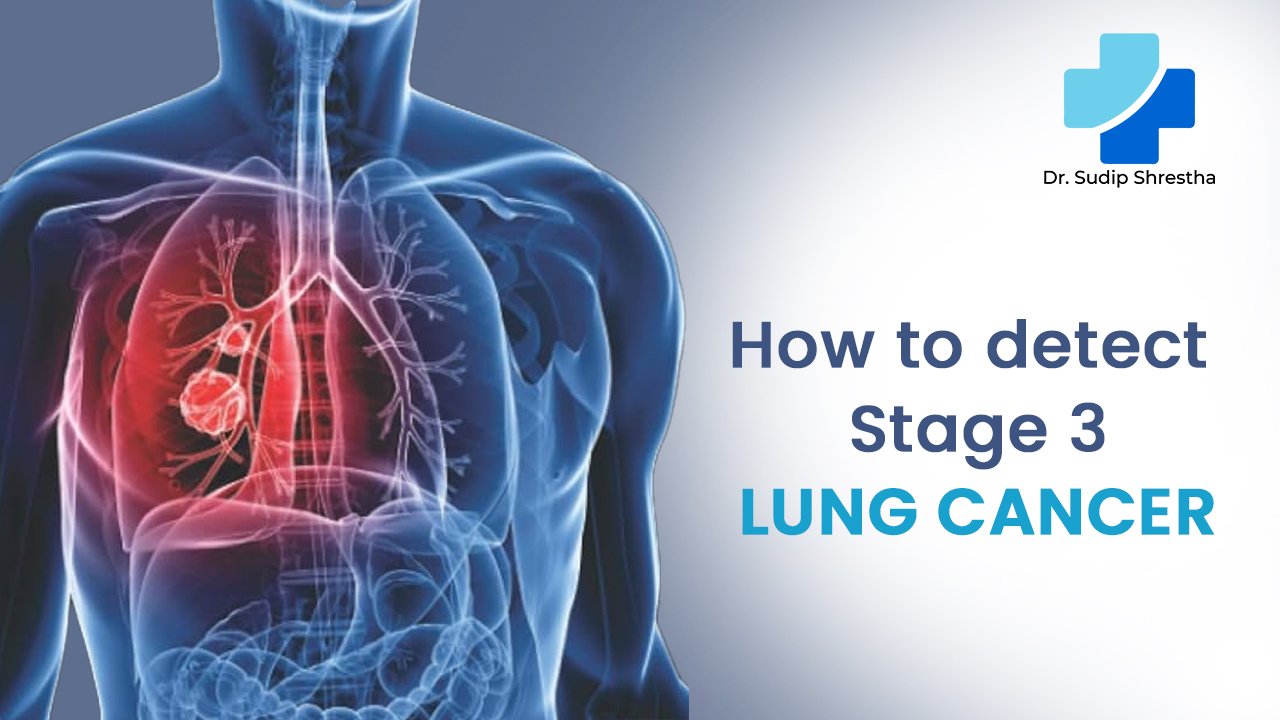
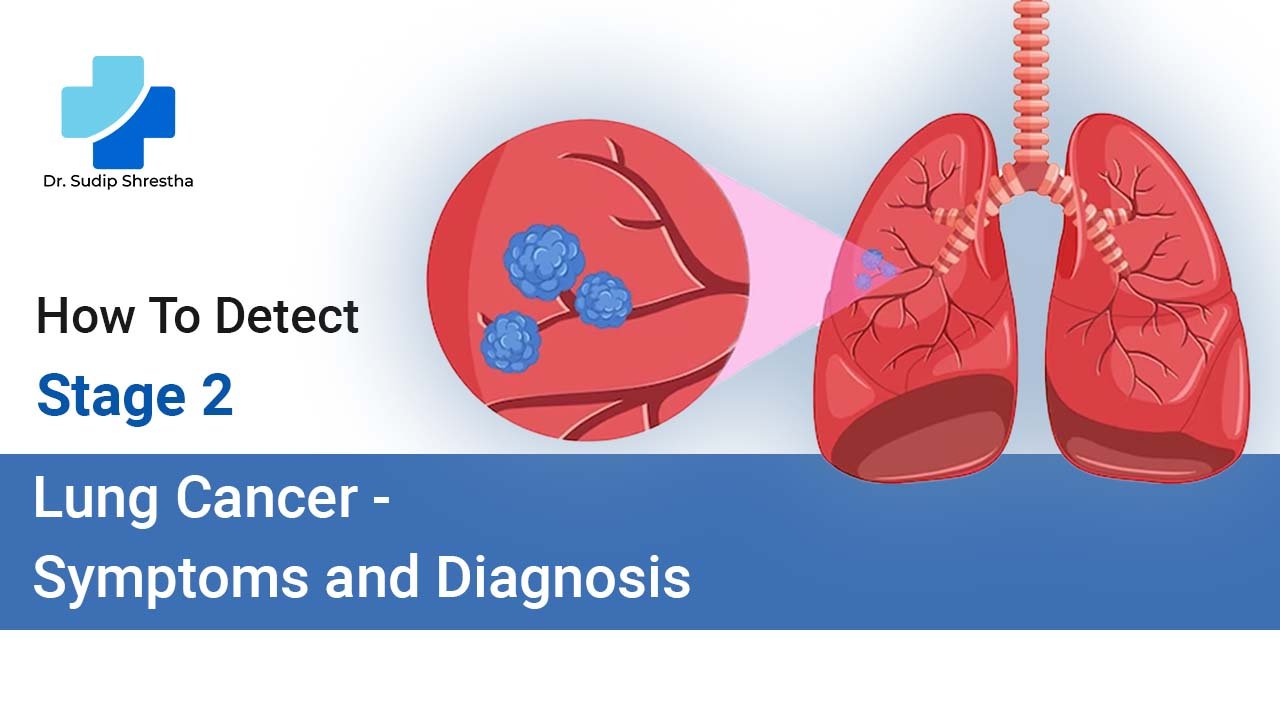
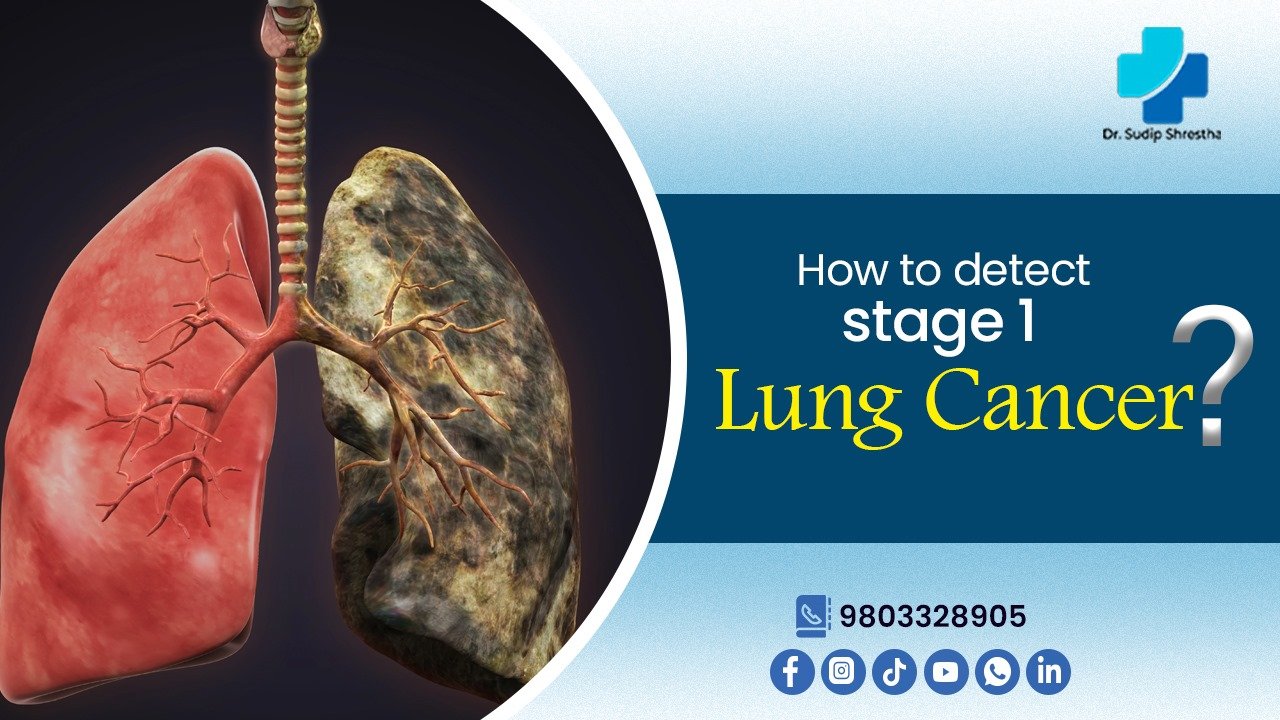
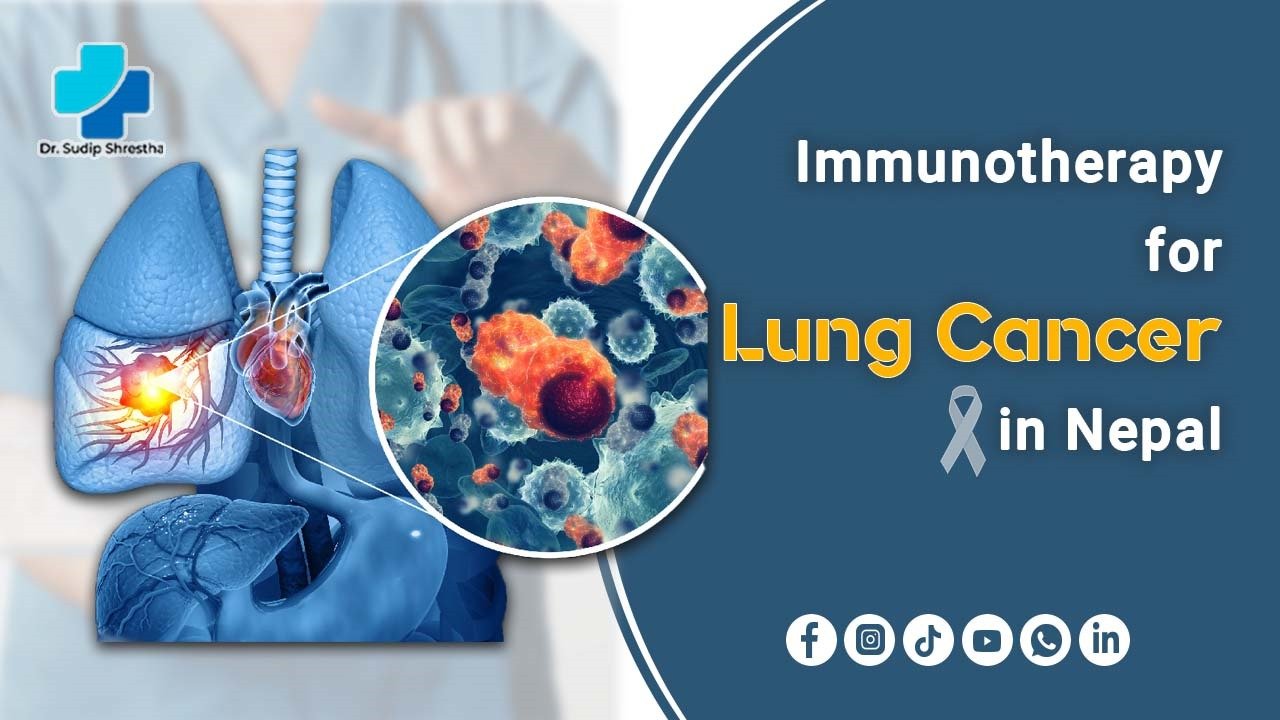
Lung cancer is one of the most common cancers in the world and the main cause of cancer-relateddeath in men and women. In addition to smoking cigarettes, which is by far the most well-known causeof cellular breakdown in the lungs, a family history of cellular breakdown in the lungs and certainecological factors are also risk factors. Similarly to all cancers, it develops at the level of the cellsthrough abnormal cells that multiply rapidly. Typically, lung cancer starts in the lungs and then mayspread (metastasizes) to other organs or bones. Lung cancers that begin in the lungs are called primarylung cancers.Lung cancer generally falls into two types: Non-Small Cell Lung Cancer The majority of lung cancer cases are NSCLCs, which make up 80-85% ofthe cases. If diagnosed in the early stages, most of them can also betreated well. The further more subdivisions are as follows: a. Squamous cell lung carcinoma: The majority of cases of NSCLCbegin in cells that line the passages of the respiratory tract. This isknown as squamous cell carcinoma. The major percentage of all cases ofNSCLC usually begin in these cells.b. Adenocarcinomas: They are the ones that usually form in the outerpart of the lungs, rather than any other parts. Other sub-type ofadenocarcinomas is:Adenocarcinoma in situ (AIS): This rare form of adenocarcinomaoccurs in the tiny air sacs in the lungs. In most cases, it isn’t aggressiveand does not require immediate medical attention.c. Adenosquamous carcinoma: This type of cancer, in general, isdeveloped in a mixture of squamous cells and mucus-producing cells.d. Large cell carcinoma: Large cell carcinoma is a fast-growing groupof non-small cell lung cancer. It cannot be classified under other cancertypes. Small-Cell Lung Cancer Compared to NSCLC, small-cell lung cancer is way more aggressive. Itmakes up about 15 to 20 percent of all other lung cancers. Small-celllung cancer is less likely to be cured than non-small cell lung cancer,despite the fact that it often responds to chemotherapy better in thebeginning. Symptoms Of Lung Cancer Symptoms can be divided into 2 stages; early symptoms and late symptoms. Early Symptoms Of Lung Cancer If you are in the early stage of lung cancer, you won’t be able to see anyof the usual symptoms. But when early symptoms occur, they can showsigns like shortness of breath. Sometimes unexpected symptoms, suchas back pain may occur. If the tumors are causing pressure in the lungs orspreading to the spinal cord and ribs, you’ll start to have a severe backpain. Late Symptoms Of Lung Cancer Depending on the positions of newly formed tumors, late symptoms oflung cancer can hence be declared. Late-stage symptoms vary fromperson to person. It is not compulsion to experience every symptom forthose with late-stage lung cancer. Late-stage symptoms might include: Causes Of Lung Cancer Lung Cancer Staging During the diagnostic process, other tests are utilized to determine how far the cancer has spreadthrough the lungs, lymph nodes, and the rest of the body. It is known as staging. Based on the type andlung cancer staging, doctors can determine the best treatment that is needed. Non-Small Cell Lung Cancer (NSCLC) Stages Small-Cell Lung Cancer (SCLC) Stages In general, there are two stages of SCLC; (i) limited and (ii) extensive. Treatment Of Lung Cancer Treatment will depend on various factors, such as: Stage 1 NSCLC: Surgery is the first treatment given to remove a portionof the lung. Chemotherapy can also be recommended in the case of highrisk of recurrence. Cancer caught at this stage also has a higher chanceof proper cure.Stage 2 NSCLC: Surgery is performed to remove a part or all of the lungfollowed by chemotherapy.Stage 3 NSCLC: Combination of surgery, chemotherapy, and radiationtherapy is given.Stage 4 NSCLC: Options include surgery, radiation, chemotherapy,targeted therapy, and immunotherapy that varies from patient to patient.Treatment options for SCLC can be chemotherapy, and radiation therapy.In most cases, it will be impossible to perform surgery due to theadvanced stage of the cancer. When to Visit a Cancer Doctor in Nepal? When you observe the above-mentioned symptoms and have a strongfeeling about cancer, it would be a right time to visit an oncologist inNepal. You can either go for a surgical oncologist or a medicaloncologist in the first phase. Your cancer specialist helps you to choosethe suitable treatment option. As per the top medical oncologist Dr.Sudip Shrestha, it is very important to reach out to your cancer doctor assoon as possible. The best cancer doctor is hence important for you ineach and every step of your cancer treatment. Dr.Sudip Shrestha Founder & Executive Chairman Sr. Consultant Medical Oncologist Nepal Cancer Hospital & Research Center Designation: Founder and Chairman, Senior Consultant Medical Oncologist Qualification: MBBS, MD, Post Graduate Training in Medical Oncology Department: Medical Oncology Special interest: Chemotherapy, Immunotherapy, Targeted Therapy, Precision Medicine Consult now

How Cancer Starts?

Cells in the body grow uncontrollably in cancer, causing the illness tospread throughout the body. Almost everywhere in the human body,there is the possibility of cancer because the body is composed oftrillions of cells. The human body normally produces new cells as itneeds them by growing and multiplying cells. A cell dies when it growsold or becomes damaged, and it is replaced by a new one.In some cases, this orderly process malfunctions, which leads toabnormal or damaged cells growing and multiplying which theyshouldn’t. As a result of these cells, tumors may form. It is possible for atumor to be cancerous or not. It is possible for cancerous tumors tospread to distant parts of the body by invading nearby tissues or byspreading into nearby tissues. It is also possible to refer to canceroustumors as malignant tumors. Solid tumors are formed by many cancers,but leukemias, for example, usually do not.A benign tumor doesn’t spread to nearby tissues, nor does it invadethem. Cancerous tumors sometimes grow back after being removed,whereas benign tumors don’t. There are times, however, when benign How Cancer Actually Starts? During proper cell division and growth, genes tell cells when to divideand grow. Each cell makes a copy of itself when it divides. When a singlecell divides, it produces two identical cells, then two identical cellsproduce four, etc. Cells in adults normally divide in order to make morecells only when they are needed, for example, as replacements for agingor damaged ones.However, cancer cells differ from normal cells. Mutations in genes areresponsible for turning a normal cell into a cancer cell. As our geneswear out, we can inherit gene mutations or develop them over time asour genes wear out. We can also get gene mutations from smoking,drinking, or being exposed to ultraviolet light.For understanding cancer cells, it is crucial to understand how theybehave differently from normal cells. Rather than dying when it should, itstarts growing and dividing out of control. Moreover, they are lessmature than normal cells, so they remain immature. It is the abnormaland uncontrolled growth of cells that causes all cancers, despite theirmany types. All cells in the body are capable of causing cancer. How Cancer Grows Day By Day? Cells with gene mutations may grow out of control or fail to die whenthey should due to interference with normal instructions. Cancer cells actdifferently from normal cells, so they can continue to grow. Normal cellsdiffer from cancer cells in the following ways: It is inevitable that cancer cells will divide and grow into tumours as theydivide. There are no differences between cancer cells and normal cellswhen it comes to their needs. To grow and survive, they need oxygenand nutrients from the blood supply. In small tumors, oxygen andnutrients are provided by nearby blood vessels, so they can grow easily.Cancer cells require more oxygen and nutrients as they grow, so a tumorneeds more blood to supply them. As a result, cancer cells stimulatetumors to grow new blood vessels. The process of angiogenesis is responsible for tumor growth and expansion. It also facilitates thespread of cancer cells to other parts of the body by allowing them toenter the bloodstream. Many researchers are investigating drugs thatstop blood vessel growth, thereby slowing the growth of tumors andeven shrinking them. How Cancer Spreads to Other Body Parts? It is possible for cancer cells to spread to nearby tissues and structuresas a tumor grows by pushing against the normal tissue beside it. Ascancer cells grow, they also produce enzymes that breakdown normalcells and tissues. The term invasive cancer refers to cancer that growsinto nearby tissues.It is also possible for cancer to spread from one part of the body toanother. It is known as metastasis. Through the blood or lymphaticsystem, cancer cells can spread to new sites in the body when theybreak away from a tumor. Where Can Cancer Spread? There are some areas of the body where cancer tends to spread. In orderto classify cancers based on where they are located in the body and whether they have spread, doctors have developed staging systems.Staging systems range from 1 to 4 for many types of cancer.It helps doctors predict how a cancer will grow if they know how itspreads and where it may spread. Providing appropriate supportive careand planning treatment is also made easier by this information. Any partof the body can be affected by cancer, but lymph nodes, bones, thebrain, the liver, and the lungs are most likely to be affected. Why Does Cancer Come Back Sometimes? In spite of treatment methods such as surgery, chemotherapy, andradiation therapy, cancer can sometimes return. Moreover, some cancerscan recur decades after they were first diagnosed. Cancer recurrencesare often metastatic. Cancers that were first diagnosed in stages 1 or 2may recur in stages 4 with metastases. A majority of cancer deaths occuras a result of metastases. During cancer treatment, the goal is to prevent the growth orpersistence of cancer cells in the body. Breast and lung cancers aretreated with adjuvant chemotherapy when they are in an early stage.Recurrences of cancer can occur in people who have previously beentreated successfully. There is no reason to believe that their treatmentwas incorrect or unsuccessful. The more important thing is to recognizethat some cancers have a higher possibility of returning. When to See an Oncologist in Nepal? When it comes to consulting a medical oncologist in Nepal, you can doso as soon as you experience any of the cancer symptoms, or cancerrecurrence symptoms. The cancer specialist in Nepal will then check youthoroughly and let you know about your condition afterwards. The bestcancer treating doctor will also help you in each and every phase of yourtreatment procedures. As per the top medical oncologist in Nepal, Dr.Sudip Shrestha, it is essential to share every symptom as well asexperience with your cancer doctor to make the process much moreefficient.

Cancer Prevention

Prevent Cancer

There is a possibility of preventing most cancers. A disease that isregarded as the greatest health threat by the public is highlighted in thismessage. In spite of this, most people are unsure of what they can do toreduce their risk. The overwhelming amount of cancer studies and mediacoverage we encounter each week is not surprising. Even experts find itdifficult to understand. In this article, I will guide you how to prevent cancer. Best Ways to Prevent Cancer Making healthy choices can lower your risk of getting a number ofcommon types of cancer. Some cancers can be detected early byscreening tests, when treatments are most effective. A number of types of cancer can be prevented with vaccines. Here are some tips forreducing your cancer risk. Avoid smoking Smokers are more likely to die from smoking-related diseases likecancer, heart disease, and chronic obstructive pulmonary disease thananyone else. Over 5 million people die every year from tobacco use andthe number is expected to rise to 1 billion by the end of the century. It isimportant not to smoke in order to prevent cancer and other chronicdiseases.In recent years, electronic cigarettes have grown immensely inpopularity and are often marketed as a safer alternative to conventionaltobacco cigarettes. Various battery-powered devices are available,including electronic cigarettes, vape pens, personal vaporizers, andhookah pens, which work by aerosolizing nicotine-containing liquids. Stay in a healthy weight range: Despite the fact that obesity is one of the most important risk factors forcancer, approximately half of the population is unaware of this association. The adoption of healthy lifestyle habits and themaintenance of a healthy weight can prevent nearly half of cancerrelated deaths. The risk of breast, colon, kidney, pancreas, esophagus, ovary, and prostate cancers has been strongly linked to beingoverweight or obese. In addition, obesity increases the risk of cancers of the liver andgallbladder, as well as leukemia, lymphoma, and multiple myeloma.Each cancer increases its risk differently as a result of weight. There is agrowing burden of weight-related cancers, heart disease, strokes, anddiabetes that can be attributed to the prevalence of obesity andoverweight. There has been an increase in obesity rates across thecountry over the last two decades. Regular exercise is essential: Physical activity is well known for its health benefits. Besides reducingthe risk of heart disease, stroke, diabetes, osteoporosis, and high bloodpressure, it is also helpful in preventing cancer. Both premenopausal andpostmenopausal women are less likely to develop breast cancer if theyexercise regularly. It is likely that walking or riding a bike regularly lowers risk in several ways. The immune system can be improved, helping the body fight off cancercausing infections. Hormone levels in the blood can be maintained withit. It can also help women maintain a healthy weight. Colon cancerseems to be prevented primarily by exercise, which can keep insulinlevels in check, which can prevent certain hormones and growth factorsfrom promoting colon cancer. Make sure you eat a healthy diet: The importance of a healthy diet in managing overall health andreducing cancer risk cannot be overstated. It is well-established thateating habits have a significant impact on cancer risk, despite newscoverage that has been at times confusing or misleading. As it turns out,calories are more important when it comes to cancer risk than fat ormeat or fruits and vegetables. The single most important diet change is to keep calories under control,so weight stays under control. Besides calorie intake, good evidenceindicates that a risk-reducing diet involves high plant-based, low animalbased, and low sodium intake. Multivitamins with folate are a great wayto provide nutrition insurance and additional protection against anumber of chronic diseases and cancers. Moderately consume alcohol: There is a complex relationship between alcohol and health. There isvery good evidence that moderate alcohol consumption in older adultscan significantly lower their risk of cardiovascular disease while studiesconsistently show that drinking even a small amount of alcohol canincrease the risk of two common cancers: breast and colon. It is crucialto balance these risks and benefits. Even though moderate intake hasproven benefits for older adults, nondrinkers should not be encouragedto start drinking due to the cancer risk and dependence potential. Drinking moderately does not need to stop for most adults. It isimportant to encourage all heavy drinkers to reduce their consumptionto a moderate level, or stop altogether. It is increasingly clear thatdrinking during youth and young adulthood contributes significantly tobreast cancer risk later in life. Alcohol should be completely avoided byyouth. Make sure you protect yourself from the sun: Skin cancer, including serious melanoma, is well known to be caused byexcessive sun exposure. A key public health message is proper sunprotection in light of the steadily rising melanoma rates worldwide. Inparticular, youth and young adults should avoid using tanning beds.According to a study, any level of tanning bed use increased the risk ofmelanoma by around 20 percent. You can lower your risk of melanoma by taking the following steps: Stay healthy by protecting yourself from infections: There is no doubt that infections play an important role in thedevelopment of some cancers, but they are not well known to thegeneral public. Cancer can be caused directly or indirectly by certaininfections. An infectious agent can change the behavior of infected cellswhen it causes chronic inflammation caused by some infections. Byreducing the body’s ability to defend against infections that can causecancer, infections that compromise the immune system also increasecancer risk. Cancers associated with infection do not affect everyone equally.Globally, chronic infections are more likely to cause cancer due to poorliving conditions and inadequate health care. The risk of cancer can beincreased by at least ten infectious agents, including several commonones. It takes a unique set of factors along with the infection to turn normal cells into cancerous, which is why only a small portion of those infected develop the disease. Make sure you get regular screenings: To protect against cancer, it is crucial to have regular cancer screeningtests. Screening tests can not only detect cancers early when they’remost treatable, but they can also help prevent cancers, such as colonand cervical cancer. In order to prevent colon cancer, … Read more

Five Myths and Facts of Kidney cancer

Myth 1: Blood in the urine is a sure indication of kidney cancer. Fact: The presence of blood-colored urine is a symptom of kidneycancer, but it can also indicate a urinary tract infection (UTI), which isnot cancerous. However, red-colored urine should never be ignored. Myth 2: My kidneys are fine if I have no obvious discomfort likedifficulty urinating.Fact: An absence of external symptoms does not mean a person doesnot have kidney disease. As kidney conditions usually don’t manifestsymptoms until they are advanced. Do not ignore symptoms – speakwith your doctor or healthcare provider. Myth 3: Smoking does not contribute to Kidney cancer.Fact: Smoking doubles the risk of kidney cancer, which accounts forabout 30% of male kidney cancers and about 25% of female kidneycancers. Myth 4: Women are at higher risk of developing kidney cancer.Fact: The incidence of kidney cancer is roughly twice as high in menas it is in women. However, studies have also found that women withpolycystic ovary syndrome (POS) have an increased risk of kidneycancer because of elevated levels of androgensMyth 5: Kidney cancer cannot be detected early. Fact: Nowadays, kidney cancers can even be detected by routineultrasound and urine tests because people are more aware of theirhealth and have annual check-ups. Early detection leads to earliertreatment and a longer life for the patient. Dr.Sudip Shrestha Founder & Executive Chairman Sr. Consultant Medical Oncologist Nepal Cancer Hospital & Research Center Designation: Founder and Chairman, Senior Consultant Medical Oncologist Qualification: MBBS, MD, Post Graduate Training in Medical Oncology Department: Medical Oncology Special interest: Chemotherapy, Immunotherapy, Targeted Therapy, Precision Medicine Consult now

Tips to Prevent Oral Cancer

In most cases, cancer prevention knowledge is still evolving. You’re wellaware, however, that your lifestyle choices affect your risk of developingcancer. Changing your lifestyle can make a significant difference to yourhealth if you are interested in preventing cancer. Here are some tips forpreventing cancer: Avoid using tobacco There is no better way to take care of your mouth, and of your entirebody, than by doing this. You are more at risk if you smoke more and fora longer period of time. Whether you’re new to it or have been doing itfor years, stopping now is beneficial. Quitting will improve yourtreatment, you will heal faster, and it will be less likely to return if you doget cancer. Avoid smoking if you don’t already. Eat a balanced diet Nutritional deficiencies can cause changes in your mouth that increaseyour risk of cancer. Fruits and vegetables contain vitamins andantioxidants that boost your immune system and keep you healthy.Getting 5 servings a day is a good idea, as well as mixing them up forvariety. You should eat carrots, Brussels sprouts, and squash regularly forgood oral health. If you want to maximize the cancer-fighting power of your fruit andvegetables, don’t cook them too much. For the best results, eat someraw. In order to ensure they remain tender, stop cooking them when theyare still a bit firm. High heat can also produce cancer-causing substancesin cooking oils. So, baking, boiling, or steaming is a better alternative tofrying. Keep a healthy weight and exercise regularly Keeping a healthy weight may lower the risk of cancers such as breastcancer, prostate cancer, lung cancer, colon cancer, and kidney cancer.Your immune system is boosted by an active lifestyle, and your cancerrisk is reduced. Running, jogging, cycling, swimming, strength training,and weight lifting are all examples of these forms of exercise. Don’t expose yourself to the sun The sun can damage your lips as well as raise your chances of skincancer. During the day, stay away from direct sunlight, since it’sstrongest at that time. Wear a wide-brimmed hat when you go outside toshade your face. Wear lip balm that contains a minimum SPF of 15, anduse it often. Avoid tanning beds as well. Consider getting vaccinated HPV is a group of viruses that are very common. It can be in your mouthwithout you knowing it. This is because it rarely causes any problemsmost of the time. Some people, however, can develop cancer as a resultof these changes. HPV can be prevented with a vaccine, but it is mosteffective if you get it before you start sexual activity. The number ofpartners you have should be limited if you are already practicing safesex. Make sure you check your mouth once a month It’s your responsibility to keep an eye on things between dental visits.Open up wide in front of the mirror once a month. Observe ulcers andunusual patches of red or white that last at least three weeks. Take alook inside your mouth, including your roof and floor, your tongue andgums. Whenever you are unsure about anything, see your dentist. Visit the doctor on a regular basis Dental care is more than polishing your teeth, filling cavities, andreminding you to floss. The doctors check for cancerous growths on yourtongue, cheeks, and inside your mouth. Any problems they spot early oncan be easier to treat as they are on the front lines. Annual dental visitsare recommended. Dr.Sudip Shrestha Founder & Executive Chairman Sr. Consultant Medical Oncologist Nepal Cancer Hospital & Research Center Designation: Founder and Chairman, Senior Consultant Medical Oncologist Qualification: MBBS, MD, Post Graduate Training in Medical Oncology Department: Medical Oncology Special interest: Chemotherapy, Immunotherapy, Targeted Therapy, Precision Medicine Consult now

Lung Cancer Awareness Month

Each year, Lung Cancer Awareness Month in Nepal serves as a powerful reminder of the importance of education, early detection, and support for those affected by this devastating disease. Lung cancer remains one of the leading causes of cancer-related deaths worldwide, including Nepal, where its prevalence continues to rise. By shedding light on this critical issue and fostering awareness, we can unite as a community to fight against lung cancer and make a meaningful impact on prevention, diagnosis, and treatment. The tissue lining the air passages of the lungs is most often affected bylung cancer, which forms in lung tissue. These conditions are caused byuncontrollable cell growth and reproduction, usually as a result ofexposure to toxins such as tobacco smoke, radiation, and asbestos. Thetype of cell where lung cancer begins traditionally determines itsclassification. It is now possible for doctors to diagnose the disease atthe molecular level as well. An examination of the DNA and proteinsproduced by cancer cells is usually the focus of this approach. What is Lung Cancer Awareness Month? There is an official month dedicated to raising awareness of lung cancerin November. In 1995, Lung Cancer Awareness Day was held for the firsttime. During the past decade, the lung cancer community and lungcancer movement have grown and the day has evolved into Lung CancerAwareness Month. As part of the month-long campaign, people acrossthe country raise awareness about lung cancer and support the lungcancer community.One or both lungs may develop lung cancer if abnormal cells growuncontrolled. Aside from that, these abnormal cells lack the capacity todevelop into healthy lung tissue and do not function normally. It ispossible for the abnormal cells to form tumors as they grow andinterfere with the lung’s function, which supplies the body with oxygen.Smoking is the most common cause of lung cancer, but environmentalexposures, such as radon, workplace toxins, and air pollution alsocontribute to the disease. Quitting smoking, reducing exposure tosecond-hand smoke, and reducing the risk of exposure to environmentaland workplace factors can reduce lung cancer risk. When Did Lung Cancer Awareness Month Start? The month of November marks Lung Cancer Awareness Month, a monthdedicated to raising awareness about the disease and promoting moreresearch. Unfortunately, lung cancer ranks second in terms of thenumber of cases worldwide and has been shown to be the leading cause of cancer death for both men and women. Therefore, those who smokeor have quit within the past 15 years are recommended to get screenedyearly for lung cancer. During this month of Lung Cancer Awareness,pledge to educate everyone around you about the condition.As lung cancer comprised only 1% of all cancers until 1878, it wasconsidered a rare disease. In 1918, this percentage had risen to 10%, andby 1927, it had risen to over 14%. Over the years, smoking had increased,but the adverse effects it has on the human body hadn’t yet beendiscovered. As early as 1929, German physicians recognized thatsmoking contributes to lung cancer. As a result, Nazi Germany became aleader in the anti-tobacco movement, which later spread to other areasof the world experiencing lung cancer epidemics. Why is it Important to Celebrate Lung Cancer Awareness Month? The month of November is dedicated to raising awareness about lungcancer. As a result, lung cancer survivorship stories are being celebratedand awareness is being raised for much-needed research. Each year,around 400,000 more early screenings have been conducted as a resultof Lung Cancer Awareness month. A total of 400,000 more patients arebeing treated earlier each year as a result of earlier diagnosis. The purpose of it is to raise awareness? Lung cancer is discussed in detail this month, along with ways to preventit. Additionally, it explains how common it is and why everyone needs tobe cautious. Early detection is encouraged As a part of Lung Cancer Awareness Month’s theme. In this way, the disease can be caught at an early stagebefore it becomes lethal. It emphasizes the dangers of smoking Additionally, the month discusses smoking as a potential risk factor forlung cancer. Several non-smoking campaigns are also held throughoutthe month. How Can You Raise Awareness About Lung Cancer? In order to raise awareness about lung cancer, you can do various thingssuch as wearing a ribbon and discussing new lung cancer research areas. During Lung Cancer Awareness Month, wear the lung cancer ribbon: What is the color of the lung cancer ribbon? Lung cancer awarenessribbons can be pearl or white, but you can also choose something else.You can paint your nails white, wear a white shirt and pearls, or wear aribbon throughout the month of November. Make a donation to lung cancer research: Several foundations are dedicated to funding “best-in-class” lung cancerresearch that will benefit patients the most. Contribute to the funding ofthe next round of lung cancer research grants. Making a donation orstarting a fundraiser is easy: Make sure your social media channels are full of awareness facts: The month of November is Lung Cancer Awareness month, so help yourfriends and family know about the importance of screening andbiomarker testing for lung cancer. With downloadable images andimportant lung cancer awareness facts, it can be printed out, posted,tweeted or emailed. Tell your lung cancer experience: It is a very small and special group of people who survive lung cancer.Depending on their stage and age, they might have been diagnosed atdifferent times. There may be differences in the biomarkers of their lungcancers. In spite of this, all of these stories have a common theme. Discuss some exciting new lung cancer research areas: While going through the major discoveries made in the last 10 years,there have been the massive promotion in the detection and treatmentof the lung cancer. It hence has been the leading focus in many of these research areas as well. You can hence share these research materialswhich helps the lung cancer patients to bring hope. Lung Cancer Awareness Month in The Context of Nepal: Many ways exist in Nepal to commemorate lung cancer awarenessmonth. Here, we’ve listed out few of them. Let’s have a look at thesemeasures: Lung cancer screening: Lung cancer screening helps … Read more

Chemotherapy in Nepali (केमोथेरापी)

केमो थेरा पी भनेको के हो ? यसले कसरी का म गर्छ? केमोथेरापी भनेको क्यान्सर कोशिका(cancer cells)हरू नष्ट गर्न औषधिको प्रयोगगरी उपचार गर्ने पद्धति हो। यस क्यान्सर उपचारमा, क्यान्सर विशेषज्ञहरूलेकेमोथेरापीको रूपमा एक वा बढी क्यान्सर विरोधी औषधिहरू प्रयोग गर्छन्।क्यान्सर कोशिकाहरू सामान्यतया सामान्य कोशिकाहरू भन्दा छिटो बढ्छन् रविभाजित हुन्छन् त्यसैले केमोथेरापी औषधिहरूले कोशिकाहरूलाई आक्रमण गरेरवा क्यान्सर कोशिकाहरूलाई बढ्न, छिटो विभाजन हुन, र थप कोशिकाहरूबनाउनबाट रोक्न काम गर्दछ। धेरै फरक केमोथेरापी औषधिहरू उपलब्ध छन्।केमोथेरापी औषधिहरू विभिन्न प्रकारका क्यान्सरहरूको उपचार गर्न एक्लै वासंयोजनमा प्रयोग गर्न सकिन्छ। केमो थेरा पी कस्तो अवस्था मा प्रयो ग गरि न्छ? ओन्कोलोजिस्ट(Oncologist)हरूले विभिन्न समयमा तथा विभिन्न तरिकालेकेमोथेरापी प्रयोग गर्छन् जस्तै :अन्य उपचारहरूलाई अझ प्रभावकारी बनाउनको लागि- उदाहरणकालागि, रेडियोथेरापी (केमोरेडिएशन) सँग जोडेर वा शल्यक्रिया गर्नुअघि प्रयोग गरिन्छ। यसलाई Neo-adjuvant केमोथेरापी भनिन्छ।शल्यक्रिया वा विकिरण थेरापी पछि कुनै पनि बाँकी रहेका क्यान्सरकोशिकाहरूलाई नष्ट गर्न र क्यान्सर फिर्ता आउने जोखिम कम गर्नप्रयोग गरिन्छ। यसलाई adjuvant केमोथेरापी भनिन्छ।क्यान्सरलाई पूर्ण रूपमा निको पार्न। यसलाई उपचारात्मक(curative) केमोथेरापी भनिन्छ।उपचार सम्भव नभएको अवस्थामा लक्षणहरू कम गर्न। यसलाईप्यालिएटिभ (palliative) केमोथेरापी भनिन्छ। रगत वा lymphatic प्रणालीको क्यान्सरको उपचार गर्न, जस्तैleukemia र lymphoma.शरीरका अन्य भागहरूमा फैलिएको क्यान्सरको उपचार गर्न जसलाईमेटास्टेटिक (metastatic) क्यान्सर भनिन्छ।उपचार पछि फेरि फर्केर आउने क्यान्सरको उपचार गर्न जसलाईपुनरावर्ती (recurrent) क्यान्सर भनिन्छ। केमो थेरा पी कसरी दि इन्छ? केमोथेरापी विभिन्न तरिकामा दिन सकिन्छ:injected केमोथेरापी: औषधिहरू सीधै मांसपेशीमा injection कोमाध्यमबाट दिइन्छ। धेरै फरक केमोथेरापी औषधिहरू उपलब्ध छन्।केमोथेरापी औषधिहरू नितम्ब, तिघ्रा, हात वा पेटमा विभिन्न प्रकारकाक्यान्सरहरूको उपचार गर्न एक्लै वा संयोजनमा प्रयोग गर्न सकिन्छ।इंट्रा भेनस (IV) केमोथेरापी: धेरै औषधिहरूलाई सिधै नसामा इंजेक्शनगर्नु पर्ने हुन्छ। यी औषधिहरू हातको नसामा सुई भएको ट्यूबछिराएर वा छातीको नसामा रहेको उपकरणमा छिराएर दिइन्छ।यसलाई continuous infusion किमोथेरापी पनि भनिन्छ।Intra-arterial (IA) केमोथेरापी: औषधिहरू सिधै सुई वा नरम पातलोट्यूब (catheter) मार्फत क्यान्सरलाई बढाउने धमनी (artery)मापठाइन्छ।oral केमोथेरापी: केहि केमोथेरापी औषधिहरू मुखबाट लिन सकिन्छ।तिनीहरू ट्याब्लेट, क्याप्सूल वा तरल पदार्थमा हुन सक्छन्।tropical केमोथेरापी: केही प्रकारको छालाको क्यान्सरको उपचारगर्न केमोथेरापी औषधिहरू भएका क्रिम वा जेलहरू छालामा प्रयोगगरिन्छ।कुनै केमोथेरापी औषधिहरू सिधै शरीरको एक भागमा दिन सकिन्छ।यस श्रेणीमा निम्न केमोथेरापीहरू समावेश छन्:इन्ट्रा पेरिटोनियल (intraperitoneal) केमोथेरापी: यो औषधि सीधैperitoneal cavity मा दिइन्छ जसमा कलेजो, आन्द्रा, पेट र अंडाशयजस्ता अंगहरू पर्छन्। इन्ट्रा प्लुरल (Intrapleural) केमोथेरापी: औषधि सीधै छातीकोcavityमा दिइन्छ।इन्ट्रा थेकल (Intrathecal) केमोथेरापी: मेरुदण्ड र मस्तिष्क वरपरकोक्षेत्रमा पाइने cerebrospinal fluid (CSF) मा औषधि दिइन्छ।इन्ट्रा भेसिकल (Intravesical) केमोथेरापी: यो औषधि मूत्रमार्ग(urethra) मार्फत मूत्राशय (bladder)मा दिइन्छ। केमो थेरा पी का side effect हरू कस्ता हुन्छन्? विकिरण थेरापी वा शल्यक्रियाको विपरीत, जसले विशेष क्षेत्रहरूलाई लक्षित गर्दछ,केमोथेरापीले सम्पूर्ण शरीरमा काम गर्दछ। त्यसैले यसले छाला, कपाल, आन्द्रा रहड्डीको स्वस्थ कोशिकाहरूलाई पनि असर गर्छ। यही कारणले उपचारबाट विभिन्नside effect हरू निम्त्याउँछ, जस्तै: वाकवाकी लाग्नुउल्टी हुनुपखाला लाग्नुकपाल झर्नुभोक नलाग्नेथकान हुनुज्वरो आउनुमुखमा घाउ आउनुकब्जियतकेही केमोथेरापी औषधिहरूले अरु ढिलो-विकसित साइड इफेक्टहरू निम्त्याउनसक्छ जस्तै:दोस्रो क्यान्सरको जोखिमकब्जियतPeripheral neuropathy(स्नायु क्षति)बाँझोपनमुटुको समस्यामधुमेहमृगौला समस्याफोक्सोको तन्तुको ्षत Dr.Sudip Shrestha Founder & Executive Chairman Sr. Consultant Medical Oncologist Nepal Cancer Hospital & Research Center Designation: Founder and Chairman, Senior Consultant Medical Oncologist Qualification: MBBS, MD, Post Graduate Training in Medical Oncology Department: Medical Oncology Special interest: Chemotherapy, Immunotherapy, Targeted Therapy, Precision Medicine Consult now

5 Diet Plans During Cancer Treatment

Diet Plans During Cancer Treatment

A well-balanced and nutritious diet plays a vital role in providing essential nutrients, supporting the immune system, minimizing treatment side effects, and improving overall quality of life for cancer patients. In this article, we will explore five diet plans that can be beneficial during cancer treatment, helping patients optimize their nutritional intake and manage common challenges they may face along the way. Your body’s immune system can be weakened by cancer and itstreatment by affecting the blood cells that protect us from disease andgerms. This makes your body less effective at fighting infection anddisease than a person who is healthy.It is inevitable that your body will not be able to defend itself very wellduring cancer treatment. Because of this, you might not have enoughwhite blood cells to fight infection for some time. A doctor may adviseyou to stay away from germs that may cause infection. Avoiding or eating certain kinds of foods will not raise your white blood cell counts. But, you can definitely keep yourself healthy by doing so. Possible Side Effects of Cancer Treatment Nausea and Vomiting Feeling sick and throwing up are the symptoms of nausea and vomiting.Having them together is common. Nausea and vomiting can be causedby cancer and its treatments. The anti-nausea medicine you take at homeafter chemotherapy will be prescribed with your treatment. Many peoplefeel better after receiving this treatment, but some may still feel sick orvomit. Constipation If you are constipated, you have hard, difficult bowel movements.Different factors can contribute to it, including the following: Diarrhea The symptoms of diarrhea include frequent loose, watery bowelmovements. Moreover, cramps and pain may accompany the urge to goto the bathroom. The causes of diarrhea include chemotherapy, radiationtherapy, immunotherapy, certain types of surgery, medicines, infections,food reactions, and anxiety. Loss of Appetite Loss of appetite refers to the feeling of not wanting to eat. In addition tofeeling sick, not enjoying the smell of food, and worrying about thediagnosis and treatment, this may be caused by the side effects of cancer itself or the treatment. It is possible for weight loss andmalnutrition to be accompanied by a loss of appetite. Problems in Chewing and Swallowing It takes the cooperation of your lips, teeth, tongue, jaw, and throatmuscles to chew and swallow. The jaw, mouth, and throat areas can beaffected by radiation therapy or surgery. Sometimes, these changes canbe permanent, but they are usually temporary. Changes in Taste and Smell Food can have a different taste or smell after some treatments. In orderto regain your sense of taste, it may take a few months. Sometimes,changes are permanent. Water can even be a problem for some people.Drinking enough water each day and swallowing medicine with watermay be difficult due to this condition. Benefits of Good Diet During treatment You don’t have to worry about getting enough calories and nutrientswhen you’re healthy. It is recommended to eat lots of vegetables, fruits,and whole-grain products; limit red meat consumption, especiallyprocessed or high-fat meat; avoid fat, sugar, alcohol, and salt; andmaintain a healthy weight. Having side effects or feeling ill can make itdifficult to do these things when you’re being treated for cancer.Cancer and its treatments can affect how you eat, which makes goodnutrition even more important. Besides affecting food tolerance, theycan also affect nutrient absorption. To withstand the effects of cancerand its treatment, you may need to change your diet during cancertreatment. It may mean eating foods you don’t normally recommendwhen you are healthy.Cancer patients have varying nutritional needs. It is possible to identifyyour nutritional goals with the assistance of your cancer care team. If youeat well while being treated for cancer, you may benefit from: Foods to Choose During Cancer Treatment For your body to fight cancer, you need to eat a variety of foods. Inaddition to proteins, fats, carbohydrates, and water, these nutrients alsocontain vitamins and minerals. Proteins Keeping our immune systems healthy and growing requires protein. Youmay need to break down muscle for fuel if you don’t get enough proteinin your diet. Consequently, recovering from illness takes longer andinfection resistance is lowered. Cancer patients often require moreprotein than normal. Protein is needed to help heal tissues and preventinfection after surgery, chemotherapy, or radiation therapy. Fats Nutrition relies heavily on fats. Our bodies are fueled by fats and oils. Inaddition to storing energy, insulating tissues, and transporting vitaminsthrough the blood, the body breaks down fats. There are several types ofit, including: Carbohydrates Energy comes primarily from carbohydrates in the body. During physicalactivity and for proper organ function, the body requires carbohydratesfor fuel. Whole grains, fruits, vegetables, and legumes are the bestsources of carbohydrates as well as vitamins, minerals, and fiber. Water Liquids and fluids are essential for health. A cell’s ability to functionrelies on water. Dehydration can result from not drinking enough fluidsor losing fluids through vomiting or diarrhea. This can lead to adangerous imbalance in the fluids and minerals that are necessary tokeep your body functioning. To make sure that all the body cells getenough fluid, a person should drink about four 8-ounce glasses of liquidevery day. Vitamins and Minerals In order to use food’s energy properly, your body needs vitamins andminerals. Natural sources include foods, but supplements are alsoavailable as pills and liquids. It is usually possible to get plenty ofvitamins and minerals by eating a balanced diet that includes enoughcalories and protein. How to Cope with The Side Effects of Cancer Treatment? If you are experiencing side effects as a result of your treatment, youmay benefit from some dietary changes. There are several side effectsassociated with this: Nausea Vomiting Constipation Diarrhea Loss of appetite Problems in chewing and swallowing Changes in taste and smell Foods to Avoid For Cancer Patients It is common for people with cancer not to have much appetite,particularly during or after treatment. Both the disease and treatmentrequire good nutrition to help your body cope. In order to preventcancer, you must avoid certain foods and eat healthy foods. Unpasteurized Dairy Products During cancer treatment, you can’t protect yourself as well as younormally can. There is … Read more

Oral Cancer

Oral cavity cancer is the one that basically occurs in any part of themouth. Oral cancer can also be termed as one of the head and neckcancers. In addition, oral cancer and other head and neck cancers arealso treated in a similar way. If oral cancer is diagnosed in the earlyphase, it can be treated easily. But it could be life-threatening ifdiagnosed in the later phases. According to a report generated, theaverage oral cancer case was 4.9 new cases per 1,00,000 men in Nepal. Parts of Oral Cavity As we’ve discussed previously, oral cavity can occur in any of the partsthat accounts to the mouth. Majorly, it can occur in the followingdifferent parts: Symptoms of Oral Cancer There can be many symptoms that can be observed for oral cancer. The major signs and symptoms of oral cancer might include these: Causes of the Oral Cancer Oral cancer forms when there is a change in the DNA in the cells in the lips or the mouth, normally known as mutations. That DNA consists of the information which then tells the cell what it should do. The changes in the mutations tells the cell to grow continuously and divide if any of the healthy cells dies. Additionally, any kind of abnormal growth of cells in the oral cavity can result in forming a tumor, which is commonly known as oral cancer. If it stays undetected for a longer period, there is a higher chance of cancer cells spreading to other parts of the mouth, or areas of head and neck as well.In general, oral cancers begin in flat and thin cells, called squamous cells that line up the lips and inside of the mouth. It is estimated that squamous cell carcinomas make up the majority of all cancers. Well, it doesn’t have a clear justification on what causes squamous cells tomutate and form a cancer at the end. But, doctors have found out certain risk factors that contribute to increasing the chances of oral cancer. Risk Factors of Oral Cancer Most of the time, oral and oropharyngeal cancer are linked with other head and neck cancers. Many of the risk factors are also similar to one another. Let’s have a look at the risk factors of oral cancer: Tobacco and Alcohol use Use of tobacco can be considered as one of the major factors for head and neck cancer, which includes oral cavity as well as oropharyngeal cancer. People who smoke are at higher risk than the people who don’t smoke. The more you smoke, the higher the risk of having oral cancer. It includes smoking from cigarettes, cigars or pipes. Pipes majorly touch the lips, causing cancer on the lips. On the other hand, heavy drinkers are at higher risk of having oral cancer than light drinkers. Also, the one who smokes as well as drinks at the same time are at even higher risk, ultimately 30 times higher. Betel quid and Gutkha Majorly in the Asian region (more specifically the South Asian region), people prefer to chew betel quid which consists of betel nut, spices, lime and few other ingredients. They also prefer to chew gutka, which is a tobacco product as well. After chewing these products, they are at higher risk of oral cancer. Human papillomavirus (HPV)infection HPV virus itself is a group of about 150 viruses. It can cause cancer inmany different areas like: cervix, vagina, mouth, throat, etc. It is morecommon on the younger generations who hence have a history ofmultiple sex partners (oral sex) and no use of any tobacco or alcoholproducts. Gender In comparison to women, men are much more likely to develop oralcancer and oropharyngeal cancer. It is because since the past, men are much more into consuming tobacco and alcoholic products. Excess body weight If you’re overweight, you’re at higher risk of cancers of the oropharynx or larynx. To reduce the risk, you can consume a lot of vegetables and fruits which will hence help you in reducing weight as well as chance of getting cancer. Age Rather than any other cancers, oral cancer takes many years to develop. In general, the patients who develop this cancer in the first phase are about 45-50 yrs. Ultraviolet (UV) light Direct exposure to the sunlight can cause cancer of the lips. It is majorly common for the people who work outdoors all the time. Poor nutrition As discussed earlier, people who do not consume enough greenvegetables or fruit are at higher risk of getting oropharynx or oral cancer. Genetic syndromes The inherited mutations can also cause cancer. In case of certain genes, people who get the inherited mutations are at the higher risk of mouth and throat cancer. Preventive Measures for Oral Cancer You cannot assure to prevent all cases of the oral cancer, but you cansurely adopt these steps and reduce the risk of developing the cancers: Avoiding tobacco and alcohol Tobacco and alcohol consumption are termed as the greatest risk factors for oral cancer. If you do not smoke, you are not at the higher risk of these cancers. Or if you quit tobacco, it can also lower the risk. Avoiding HPV infection The risk of HPV virus in the mouth or throat increases if you’re prone to oral sex or have multiple sex partners. It is advised not to have oral sex frequently to prevent from getting oral cancer. Do not expose yourself to ultraviolet (UV) rays UV rays can also be considered as one of the important risk factors for lip cancer. It is suggested not to go outdoors during the mid-day when the UV rays are strongest. If you’ve to go, you can use some sunscreen, hats, etc. Eat healthy and maintain a good health Poor nutrition and excess body weight can also result in oral cancer as well as oropharyngeal cancer. If you eat healthy food and follow a strict routine, you can have a healthy body as well as a healthy mind all the time. As a … Read more