Life During Chemotherapy: Powerful Tips & Insights

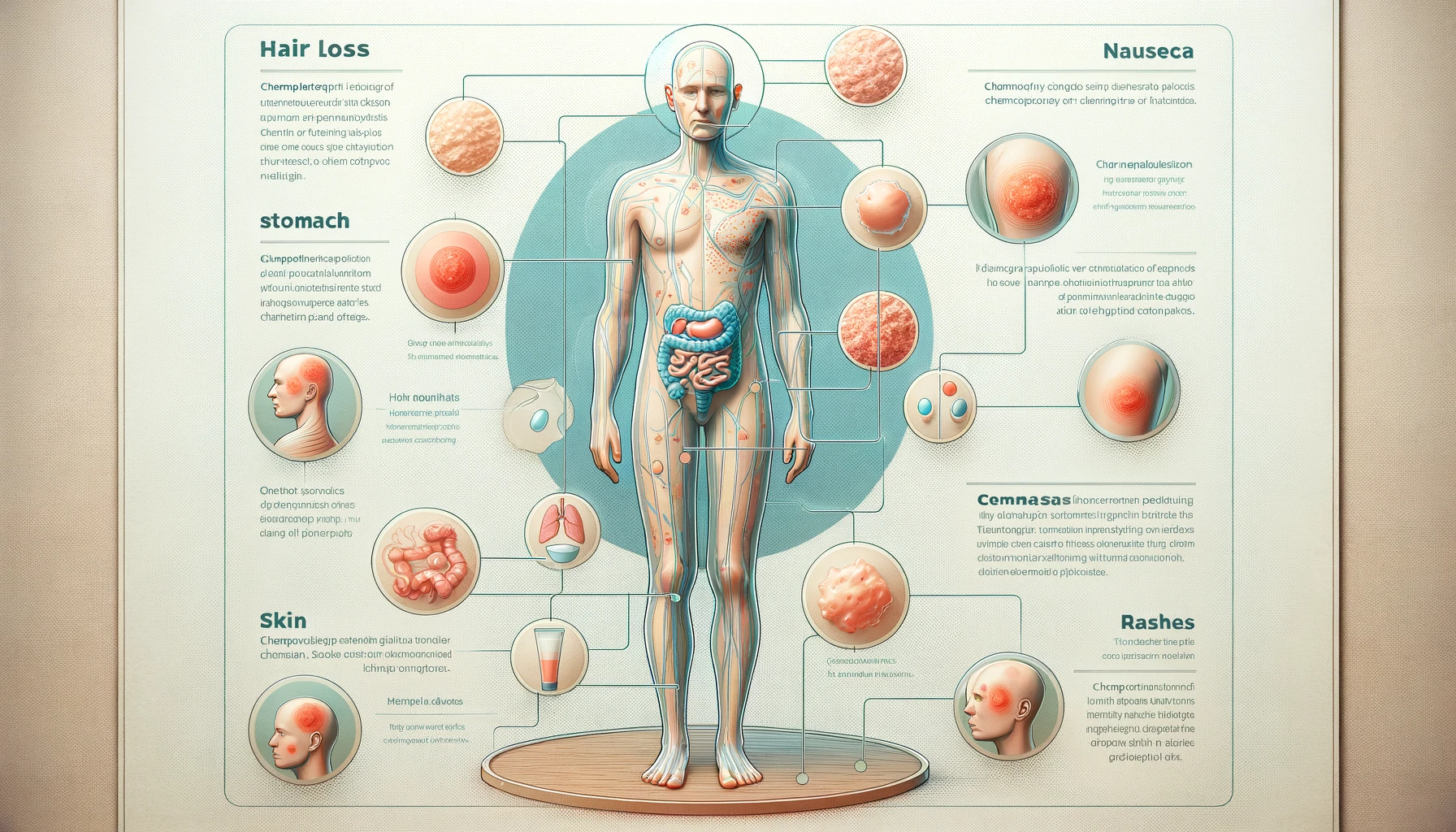
Introduction Chemotherapy is a significant and often daunting part of the cancer treatment journey. Dr. Sudip Shrestha, a renowned medical oncologist in Nepal, provides invaluable advice on managing life during chemotherapy. This guide offers powerful tips and insights to help patients and their families navigate this challenging period with confidence and strength. Understanding Chemotherapy What is Chemotherapy? Chemotherapy involves using potent drugs to target and kill rapidly dividing cancer cells. While effective in reducing and eliminating cancer, it can also impact healthy cells, leading to various side effects. Understanding the basics of chemotherapy helps patients prepare mentally and physically for the treatment process. Types of Chemotherapy There are several forms of chemotherapy, including intravenous (IV), oral, and topical treatments. IV chemotherapy is administered directly into the bloodstream, while oral chemotherapy involves taking pills. Topical chemotherapy is applied to the skin for certain types of skin cancers. The type and method depend on the specific cancer and the patient’s overall health. Preparing for Chemotherapy Medical Preparations Before starting chemotherapy, it’s crucial to undergo necessary medical tests and consultations. These may include blood tests, imaging scans, and heart function tests to ensure the body is ready for treatment. Dr. Sudip Shrestha emphasizes the importance of discussing all pre-existing conditions with your healthcare team. Lifestyle Adjustments Adopting a healthy lifestyle can significantly impact the effectiveness of chemotherapy. A balanced diet, regular exercise, and adequate sleep prepare the body for the rigors of treatment. Avoiding harmful habits like smoking and excessive alcohol consumption is also critical. Psychological Preparation Mental and emotional readiness is just as important as physical preparation. Techniques such as mindfulness, meditation, and counseling can help manage the psychological burden of chemotherapy. Building a strong support network of family and friends provides additional emotional stability. Managing Side Effects Common Side Effects of Chemotherapy Chemotherapy can cause various side effects, including nausea, fatigue, and hair loss. These symptoms vary in intensity and can affect each patient differently. Being aware of these potential side effects helps in better managing them. Tips for Managing Nausea Nausea is a frequent side effect of chemotherapy. Dr. Sudip Shrestha recommends medications like antiemetics to control nausea. Additionally, eating small, frequent meals and avoiding spicy or greasy foods can help. Natural remedies such as ginger tea or peppermint can also provide relief. Coping with Fatigue Fatigue is another common issue during chemotherapy. Patients should prioritize rest and energy conservation. Gentle exercises, such as walking or yoga, can help maintain energy levels. Listening to the body and taking breaks as needed is essential for managing fatigue effectively. Dealing with Hair Loss Hair loss can be an emotionally challenging side effect. Options like wigs, scarves, or hats can help patients cope with this change. It’s important to remember that hair loss is usually temporary, and hair often regrows after treatment ends. Nutrition During Chemotherapy Importance of Nutrition Proper nutrition plays a vital role in supporting the body during chemotherapy. A balanced diet helps manage side effects, boosts the immune system, and aids in recovery. Dr. Sudip Shrestha stresses the importance of staying hydrated and consuming nutrient-rich foods. Recommended Foods Patients should focus on high-protein foods, fruits, vegetables, and whole grains. These foods provide essential nutrients and energy. Hydration is also crucial, so drinking plenty of water and fluids is recommended. Foods to Avoid Certain foods can exacerbate side effects or interfere with treatment. Patients should avoid spicy, greasy, or sugary foods, as well as alcohol and caffeine. Consulting with a nutritionist can provide personalized dietary recommendations. Emotional and Mental Health Dealing with Emotional Stress Chemotherapy can be emotionally taxing. Seeking professional counseling or joining support groups can offer significant relief. Sharing experiences with others who understand the challenges can provide comfort and encouragement. Mindfulness and Relaxation Techniques Mindfulness practices, such as meditation and deep breathing exercises, can help reduce stress and anxiety. These techniques promote a sense of calm and improve overall mental well-being. Support Systems Role of Family and Friends Family and friends play a crucial role in providing emotional and practical support during chemotherapy. Their encouragement and assistance with daily tasks can make a significant difference in a patient’s quality of life. Dr. Sudip Shrestha highlights the importance of open communication with loved ones about needs and feelings. Professional Support Services Professional support services, including oncology nurses, social workers, and therapists, offer specialized care and resources. These professionals can assist with managing side effects, navigating the healthcare system, and providing emotional support. FAQs About Life During Chemotherapy Can you live a normal life during chemotherapy? Living a normal life during chemotherapy is possible with the right adjustments and support. While there will be challenges and changes in daily routines, many patients continue to work, spend time with loved ones, and engage in hobbies. It’s essential to listen to your body, rest when needed, and communicate openly with your healthcare team about your capabilities and limits. What is the 7-day rule in chemotherapy? The “7-day rule” in chemotherapy often refers to the crucial week after a treatment session when the immune system is most vulnerable. During this period, patients should take extra precautions to avoid infections, such as practicing good hygiene, avoiding large crowds, and steering clear of sick individuals. This rule helps minimize the risk of complications and supports overall health. How to best survive chemotherapy? Surviving chemotherapy involves a holistic approach that includes physical, emotional, and practical strategies. Maintaining a healthy diet, staying hydrated, and engaging in light exercise can boost physical well-being. Emotionally, seeking support from friends, family, and professional counselors is crucial. Additionally, staying organized with medications, appointments, and rest schedules can help manage the treatment process more effectively. How long does chemo extend your life? The impact of chemotherapy on life extension varies based on cancer type, stage, and individual response to treatment. Chemotherapy can significantly extend life expectancy for many patients, sometimes adding months or even years. The goal is to achieve remission, control cancer growth, and improve quality of life. Regular consultations … Read more