Chemotherapy For Lung Cancer in Nepal
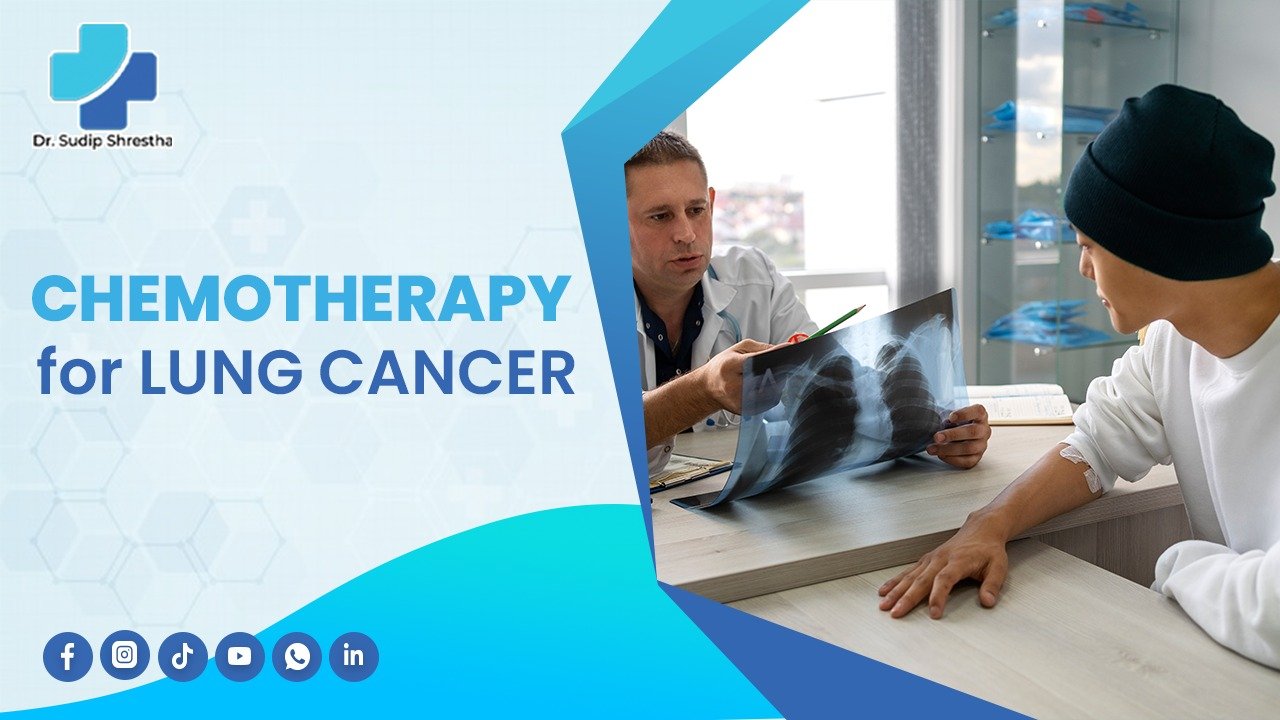
The purpose of this blog is to provide a comprehensive overview of chemotherapy as a crucial component of lung cancer treatment. We will explore the various aspects of chemotherapy for lung cancer, including its role in different stages of the disease, potential side effects, advancements in treatment, and what patients can expect during their chemotherapy journey. In the following sections, we will delve deeper into the different aspects of chemotherapy for lung cancer, offering valuable insights and information to help patients and their loved ones better understand this vital treatment option. Whether you are a newly diagnosed lung cancer patient or a caregiver seeking knowledge, this blog aims to empower you with the information needed to make informed decisions and navigate the challenges associated with lung cancer treatment. I. Introduction A. Brief overview of lung cancer Lung cancer is a complex and often life-threatening disease that affects the lungs, primarily due to the uncontrolled growth of abnormal cells in the lung tissue. It is one of the most common forms of cancer worldwide and is responsible for a significant number of cancer-related deaths. Lung cancer is broadly categorized into two main types: non-small cell lung cancer (NSCLC) and small cell lung cancer (SCLC), each with its own distinct characteristics and treatment approaches. While prevention and early detection are crucial in managing lung cancer, chemotherapy remains a vital component of the treatment arsenal for many patients. B. Importance of chemotherapy in lung cancer treatment Chemotherapy plays a critical role in the treatment of lung cancer, especially in cases where the cancer has advanced to later stages or has metastasized to other parts of the body. It is a systemic treatment that involves the use of powerful drugs to target and destroy cancer cells. Unlike surgery, which removes cancerous tissue, or radiation therapy, which uses high-energy rays to kill cancer cells, chemotherapy is administered throughout the entire body, making it effective at attacking cancer cells that may have spread beyond the lungs. Chemotherapy can serve several essential purposes in lung cancer treatment: II. Understanding Lung Cancer Lung cancer is a complex disease that affects the tissues of the lungs, primarily caused by the uncontrolled growth of abnormal cells. It is one of the most prevalent and deadliest forms of cancer worldwide. Understanding lung cancer is crucial for prevention, early detection, and effective treatment. In this section, we will explore the types of lung cancer, their causes, and risk factors, as well as common symptoms and diagnostic methods. A. Types of lung cancer Lung cancer is a complex disease that affects the tissues of the lungs, primarily caused by the uncontrolled growth of abnormal cells. It is one of the most prevalent and deadliest forms of cancer worldwide. Understanding lung cancer is crucial for prevention, early detection, and effective treatment. In this section, we will explore the types of lung cancer, their causes, and risk factors, as well as common symptoms and diagnostic methods. B. Causes and risk factors Several factors can increase the risk of developing lung cancer, including: C. Common symptoms and diagnosis Lung cancer may not produce noticeable symptoms in its early stages, making early detection challenging. However, as the disease progresses, common symptoms may include: Diagnosing lung cancer often involves a combination of the following methods: III. What is Chemotherapy? Chemotherapy, often referred to simply as “chemo,” is a medical treatment that plays a critical role in the fight against cancer. It is one of the primary modalities used in cancer treatment and is employed to combat various forms of the disease. In this section, we will explore what chemotherapy is, its purpose, how it works, and its specific role in the treatment of lung cancer. A. Definition and purpose B. How chemotherapy works Chemotherapy drugs work by targeting rapidly dividing cells, which is a hallmark characteristic of cancer cells. However, they can also affect some healthy cells in the body that divide rapidly, such as those in the bone marrow, hair follicles, and the lining of the digestive tract. This is why chemotherapy can lead to side effects like hair loss, nausea, and a weakened immune system. The mechanism of chemotherapy involves the following key steps: C. Role of chemotherapy in lung cancer treatment In the context of lung cancer, chemotherapy serves several important roles: IV. Chemotherapy Drugs for Lung Cancer Chemotherapy is a vital component of lung cancer treatment, particularly for cases that have advanced beyond the initial stages or have spread to other parts of the body. This section provides an overview of chemotherapy drug classes, commonly used chemotherapy drugs for lung cancer, and discusses the emergence of targeted therapies and immunotherapy in the treatment of this disease. A. Overview of chemotherapy drug classes B. Commonly used chemotherapy drugs for lung cancer C. Targeted therapies and immunotherapy In recent years, advancements in lung cancer treatment have led to the development of targeted therapies and immunotherapy. These approaches are tailored to specific characteristics of the cancer and the patient’s immune system: V. Chemotherapy Treatment Process A. Initial assessment and treatment planning The chemotherapy treatment process begins with a thorough initial assessment by a medical oncologist or a specialized healthcare team. This assessment is essential to determine the most appropriate course of action for the specific type and stage of cancer a patient is facing. Here are key aspects of the initial assessment and treatment planning: B. Administration methods (oral, IV, etc.) Chemotherapy drugs can be administered through various methods, each chosen based on the specific needs of the patient and the type of cancer. Common administration methods include: C. Frequency and duration of chemotherapy sessions Chemotherapy drugs can be administered through various methods, each chosen based on the specific needs of the patient and the type of cancer. Common administration methods include: VI. Managing Side Effects Cancer treatment, particularly chemotherapy, can often lead to various side effects that can be challenging for patients to navigate. However, understanding these side effects and knowing how to manage … Read more