October Breast Cancer Awareness Month: 3 Powerful Reasons to Get Screened – A Message from Dr. Sudip

October Breast Cancer Awareness Month

October Breast Cancer Awareness Month October marks Breast Cancer Awareness Month, a global campaign to promote early detection, treatment access, and emotional support for individuals affected by breast cancer. At Nepal Cancer Hospital, Dr. Sudip—a leading medical oncologist—is taking this opportunity to amplify the message that early detection saves lives. As part of this month-long initiative, Nepal Cancer Hospital is offering: 50% off Mammography 15% off Breast Ultrasound (USG) These screening services are available to encourage more women to get evaluated early, without the burden of cost being a barrier. Why October Matters: Raising Breast Cancer Awareness Breast cancer is one of the most common cancers among women, both globally and in Nepal. Yet many cases go undiagnosed until advanced stages due to lack of awareness, hesitation, or limited access to screening. Dr. Sudip believes that October Breast Cancer Awareness Month –is not just symbolic—it’s a crucial opportunity to take real action. Through education, accessible services, and medical support, we can significantly reduce the impact of this disease. https://www.iarc.who.int/featured-news/breast-cancer-awareness-month/ Early Detection Saves Lives This cannot be emphasized enough: early detection is the most powerful weapon we have against breast cancer. When breast cancer is detected at an early stage: Treatment is less aggressive Survival rates are significantly higher The emotional and financial burden is reduced Regular mammograms and breast ultrasounds (USG) are simple, quick, and painless procedures that can detect tumors before symptoms appear. For women over 40—or younger women with a family history—these screenings should be part of routine health care. This October Breast Cancer Awareness Month , with 50% off on mammography and 15% off on USG at Nepal Cancer Hospital, there’s no better time to take that step toward proactive care. Special Screening Offers at Nepal Cancer Hospital To encourage widespread awareness and participation, Dr. Sudip and Nepal Cancer Hospital are providing affordable breast cancer screening services throughout the  October Breast Cancer Awareness Month . Offer Details: Mammography: 50% off Breast Ultrasound (USG): 15% off Duration: Entire month of October Eligibility: Open to all individuals concerned about their breast health Location: Nepal Cancer Hospital, Harisiddhi, Lalitpur Booking: Call the hospital or visit the website to schedule your appointment These services are designed to remove cost-related hesitations and help more people take control of their health. Dr. Sudip’s Message: Compassionate Care for Every Patient “As a medical oncologist, I’ve seen how early detection transforms outcomes. With timely diagnosis and the right treatment, breast cancer is highly treatable—even curable,” says Dr. Sudip. He encourages women to: Listen to their bodies Never ignore symptoms like lumps, pain, or discharge Speak up and seek help early Breast cancer can affect anyone, but knowledge and vigilance can make all the difference. Dr. Sudip emphasizes that this October Breast Cancer Awareness Month  is not just for awareness—it’s about action, support, and empowerment. Take the First Step: Book Your Screening Today Don’t wait for symptoms to appear. Take advantage of Nepal Cancer Hospital’s October Breast Cancer Awareness Month offer and schedule your 50% discounted mammogram and 15% breast ultrasound today. Early detection saves lives—and it starts with you. Share this message with your loved ones. Encourage your mothers, sisters, daughters, and friends to prioritize their health. Let’s make October not just a month of awareness—but a month of action and hope.

Best Medical Oncologist in Nepal: Dr. Sudip Shrestha’s Legacy of Leadership in Cancer Care

Best Medical Oncologist in Nepal

Cancer is not just a diagnosis it’s a journey. And every journey needs a guide. In Nepal, when it comes to cancer care, no name stands taller than Dr. Sudip Shrestha. Introduction: Rising Cancer Burden in Nepal Cancer is the second leading cause of death globally. In Nepal, the increasing burden of cancer is compounded by late diagnosis, limited access to expert care, and lack of awareness. For decades, patients had to travel abroad for quality treatment until leaders like Dr. Sudip Shrestha transformed the national landscape of oncology. Who is Dr. Sudip Shrestha? Dr. Sudip Shrestha is a name synonymous with excellence in cancer care in Nepal. A distinguished Medical Oncologist, visionary leader, and healthcare reformer, he has dedicated his life to improving oncology services within the country. With over two decades of experience, he holds degrees in Internal Medicine and Medical Oncology and is registered under the Nepal Medical Council (NMC No: 1574). He has trained and practiced internationally but made it his mission to bring world-class cancer treatment to his homeland. Founder of Nepal Cancer Hospital & Research Center (NCHRC) In 2015, Dr. Shrestha founded the Nepal Cancer Hospital and Research Center (NCHRC) in Harisiddhi, Lalitpur. It is the first private-sector hospital in Nepal fully dedicated to cancer care, offering everything from diagnosis and chemotherapy to radiotherapy and surgery under one roof. NCHRC at a Glance: NCHRC serves not only patients from Nepal but also international patients from neighboring countries, making it a beacon of excellence in South Asia. Achievements That Redefined Cancer Treatment in Nepal Before NCHRC, Dr. Shrestha led major developments at: He has mentored dozens of oncologists and healthcare professionals, shaping the future of oncology in Nepal. Why Dr. Sudip Shrestha is Considered the Best Medical Oncologist in Nepal ✔ Experience That Spans Continents: Dr. Shrestha’s training spans respected institutions in India, Nepal, and beyond. He combines evidence-based global practices with local insight. ✔ Patient-Centered Approach: His compassionate style, holistic view of cancer care, and commitment to improving life—not just prolonging it set him apart. ✔ Innovation Leader: From clinical governance to pharmacovigilance, Dr. Shrestha ensures that every patient receives safe, effective, and ethical treatment. Specialized Clinics & Innovations at NCHRC To serve different patient needs, Dr. Shrestha has pioneered these specialty clinics: These programs demonstrate his forward-thinking approach—offering not just treatment, but comprehensive cancer support. Contributions Beyond Clinical Practice Founder of National Organizations: These NGOs support patients emotionally, financially, and socially, while pushing for better cancer policies. Advisor & Policy Leader: Dr. Shrestha advises government agencies on cancer policies and contributes to cancer care development across the SAARC region. Awards, Recognition & Global Influence Dr. Sudip Shrestha’s work has been recognized by national and international bodies: What Patients Say: A Glimpse into Trust & Impact “I was scared when I was diagnosed with breast cancer. But under Dr. Shrestha’s care, I not only got treated but felt supported every step of the way.” – Patient “I had planned to go to India for my father’s cancer treatment. Meeting Dr. Shrestha changed that. We found everything we needed here in Nepal.” – Patient These are not isolated stories. Thousands of lives have been touched by Dr. Shrestha’s expertise, empathy, and leadership. Conclusion When searching for the best medical oncologist in Nepal, the answer is clear:Dr. Sudip Shrestha stands out not just for his credentials, but for his dedication, innovation, and compassion. By founding the Nepal Cancer Hospital, leading multiple organizations, and continuously pushing for improved care, Dr. Shrestha is not just treating cancer he’s transforming how Nepal faces it.

Cancer Doesn’t Always Scream: The Silent Signs You Shouldn’t Ignore

Cancer

When most people think of cancer, they imagine dramatic symptoms sharp pain, a growing lump, or severe weight loss. But here’s the dangerous truth: many cancers start quietly, without causing any noticeable symptoms at all. Cancer doesn’t always scream. Sometimes, it whispers or says nothing at all.That’s why awareness and early detection are key to survival. As Dr. Sudip Shrestha, one of Nepal’s foremost oncologists and Executive Chairman of Nepal Cancer Hospital & Research Center, explains: “Many cancers are discovered only in the later stages not because they’re fast-growing, but because they stayed hidden. Early screening can catch them when they’re most treatable.” This blog will walk you through the silent symptoms of cancer, why they matter, and what steps you should take to protect yourself and your loved ones. The Silent Signs of Cancer You Shouldn’t Ignore 1. Unexplained Fatigue Feeling tired is normal. But if you’re constantly exhausted without any reason it could be a sign that something is wrong inside your body. Cancer-related fatigue is deeper than everyday tiredness. It doesn’t improve with rest and may worsen over time. Cancers like leukemia, colon, or stomach cancer often cause this type of fatigue due to internal bleeding or immune system disruption. 2. Changes in Bowel or Bladder Habits Persistent changes in how you go to the toilet like diarrhea, constipation, or difficulty urinating may signal cancer in the colon, rectum, or bladder. You might also notice blood in your stool or urine. These symptoms are easy to dismiss or misattribute to other issues like infections, but if they persist for more than a few days, seek medical evaluation. 3. Persistent Cough or Hoarseness A cough lasting longer than three weeks, especially if it worsens over time or brings up blood, can be an early warning sign of lung cancer. Similarly, hoarseness that doesn’t go away could indicate laryngeal or thyroid cancer. Don’t ignore your voice or your breath especially if you’re a smoker or have a family history of respiratory diseases. 4. Unusual Bleeding or Discharge Bleeding between periods, after sex, during menopause, or from the rectum should not be ignored. It could signal cancers of the cervix, uterus, or colon. Likewise, unusual nipple discharge might be an early sign of breast cancer. 5. Slow-Healing Sores or Wounds A sore that refuses to heal especially in the mouth, on the skin, or on the genitals can be an early indication of skin or oral cancer. These lesions may not cause pain but can quietly grow into serious problems if ignored. 6. Unexplained Weight Loss Losing weight without dieting or increasing physical activity might seem like a good thing but it can be a warning sign. Unexplained weight loss (more than 5 kilograms) can indicate cancers such as pancreatic, stomach, or esophageal cancer. These types can interfere with your metabolism or appetite. 7. Lumps or Thickening Under the Skin A painless lump or area of thickening tissue can appear in the breast, testicles, lymph nodes, or soft tissues. While not always cancerous, such growths should be checked immediately, as they could be early indicators of breast, testicular, or lymphatic cancers. Why Early Detection Saves Lives? Dr. Sudip Shrestha emphasizes a critical point: “The earlier we detect cancer, the better the outcome. Many patients survive and thrive simply because they didn’t wait for symptoms to become obvious.” What Is Cancer Screening? Cancer screening involves tests and procedures that look for cancer before you have symptoms. This helps detect cancers at an early stage—when treatment is more effective and less aggressive. Common screenings include: Who Should Get Screened? When to See a Doctor? If you experience any of the symptoms mentioned above for more than two weeks, consult a doctorespecially if you’re over 40 or have a family history of cancer. You don’t need to feel sick to be sick. Cancer can grow quietly for months or even years. Dr. Sudip Shrestha and his team at Nepal Cancer Hospital offer comprehensive cancer screenings, early detection programs, and advanced treatments. Take Action Today Here’s what you can do right now: Final Thought from Dr. Sudip Shrestha “Cancer doesn’t always scream. If you wait for pain, it might already be too late. Listen to your body’s quiet messages. Screen early. Stay safe.”

The State of Cancer Treatment in Nepal: Advances and Challenges

Cancer Treatment in Nepal

Cancer is on the rise in Nepal, and with it, the urgency to improve diagnosis, treatment, and care. For decades, cancer care was limited in the country, both in terms of infrastructure and expertise. But thanks to the tireless efforts of pioneers like Dr. Sudip Shrestha, the field has taken major strides forward. As one of Nepal’s leading oncologists and a central figure in developing modern cancer care, Dr. Shrestha’s work highlights both the progress made and the significant challenges that still remain. A Growing Concern Cancer is now one of the leading causes of death in Nepal. The most common types include cervical, breast, lung, stomach, and oral cancers. Risk factors such as tobacco use, poor diet, limited screening, and lack of awareness contribute to late diagnoses and lower survival rates. Until recently, most patients had to travel abroad primarily to India or Thailand for treatment. This was expensive, emotionally exhausting, and inaccessible for many. The need for quality, affordable, and accessible cancer care within Nepal became undeniable. Dr. Sudip Shrestha: A Driving Force in Oncology Dr. Sudip Shrestha has been at the forefront of this transformation. With over two decades of experience in oncology and a vision to localize world-class cancer care, he has played a pivotal role in bringing advanced diagnostic and treatment services to Nepal. As the Executive Chairman of Nepal Cancer Hospital and Research Center (NCHRC), Dr. Shrestha has overseen the development of a state-of-the-art facility offering chemotherapy, radiotherapy, surgery, and palliative care under one roof. He is also known for his emphasis on evidence-based treatment, multi-disciplinary teams, and patient-centered care. Key Advances in Cancer Treatment in Nepal 1. Improved Infrastructure Modern cancer centers like NCHRC have changed the game. Facilities now offer linear accelerators for radiation therapy, modular operation theatres, advanced chemotherapy units, and nuclear medicine departments. 2. Early Detection and Screening Programs Efforts to detect cancer early are gaining momentum. Programs targeting cervical cancer screening and breast cancer awareness are expanding. Dr. Shrestha and his team have led outreach programs to educate and screen underserved populations. 3. Skilled Human Resources There has been significant growth in the number of trained oncologists, radiologists, pathologists, and oncology nurses. Dr. Shrestha is also committed to training the next generation of cancer specialists through partnerships and mentorships. 4. Use of Technology Telemedicine, electronic health records, and digital imaging are being used more widely, making remote consultations and follow-ups more feasible. This has been critical for reaching patients in rural and remote areas. 5. Access to Essential Medications The availability of chemotherapy drugs and targeted therapies has improved. Nepal now stocks many essential cancer medicines locally, reducing delays in treatment. Persistent Challenges Despite progress, Nepal still faces several hurdles: 1. Late Diagnoses Most patients still present with advanced-stage cancer. Lack of awareness, social stigma, and limited screening are key contributors. Many people ignore symptoms or seek alternative treatments until it’s too late. 2. Urban-Rural Disparity Cancer centers are concentrated in urban areas, especially Kathmandu. Rural populations face difficulties in accessing timely care, resulting in poorer outcomes. 3. Cost of Treatment Although more affordable than treatment abroad, cancer care in Nepal is still expensive for the average citizen. Financial constraints often force families to delay or abandon treatment. 4. Limited Research and Data There is a lack of comprehensive cancer registries and clinical research. Dr. Shrestha has advocated for stronger cancer data systems to inform national strategies and treatment guidelines. 5. Palliative and Supportive Care Gaps Pain management and end-of-life care are still underdeveloped. There is a shortage of trained palliative care professionals, and psychosocial support is not widely available. The Role of Policy and Collaboration Government support has been increasing, with more funding allocated to cancer care and screening. Still, systemic coordination is needed to scale impact. Dr. Shrestha has consistently emphasized the importance of public-private partnerships and international collaboration. Through alliances with regional and global cancer centers, Nepal is slowly integrating global best practices into local care models. A Vision for the Future Dr. Sudip Shrestha envisions a Nepal where no one has to travel abroad for quality cancer care. He believes in: Final Thoughts The landscape of cancer treatment in Nepal is shifting. From a country once dependent on foreign hospitals, Nepal is now home to growing centers of excellence like the one led by Dr. Sudip Shrestha. But the fight is far from over. Cancer doesn’t just test the body it tests systems, policies, and willpower. Through leadership, collaboration, and continuous investment, Nepal can close the gap between what is and what is possible. And with figures like Dr. Shrestha leading the charge, the hope for a stronger, more self-reliant cancer care system in Nepal is not just a dream it’s already in motion.

Early Signs of Cancer: Appetite Changes, Bleeding, Lumps, and What to Watch For

early signs of cancer

Cancer is one of the leading causes of death worldwide, and yet, many cases are diagnosed in later stages when treatment options become limited. Early detection remains one of the most powerful tools in the fight against cancer. At the forefront of cancer care in Nepal, Dr. Sudip Shrestha emphasizes the importance of recognizing early warning signs and seeking medical attention promptly. In this article, we will explore some of the most common early signs of cancer and explain why you should never ignore them. Why Early Detection Matters? Cancer is most treatable when caught early. Detecting cancer in its initial stages can significantly improve survival rates, reduce the need for aggressive treatments, and improve quality of life. Unfortunately, many early cancer symptoms are subtle, easily overlooked, or mistaken for common ailments. Being informed can make all the difference. 1. Unexplained Changes in Appetite or Weight A sudden loss of appetite or unexplained weight loss can be an early sign of several types of cancer, including stomach, pancreatic, and lung cancer. While it might be tempting to view unexpected weight loss as a positive change, it often signals an underlying health issue that needs medical attention. What to watch for: 2. Abnormal Bleeding Unusual bleeding is a major red flag for several cancers. For instance, rectal bleeding may indicate colorectal cancer, while abnormal vaginal bleeding could signal cervical or endometrial cancer. Coughing up blood may point to lung cancer. Types of bleeding that warrant concern: 3. New or Unusual Lumps Finding a lump in your body can be alarming, and rightly so. While not all lumps are cancerous, a painless, hard mass that continues to grow should never be ignored. Breast cancer, lymphoma, and testicular cancer commonly present with lumps. Where lumps may appear: 4. Persistent Pain Chronic pain that doesn’t go away or has no clear cause can be an early symptom of certain cancers. For example, a headache that doesn’t respond to treatment might suggest a brain tumor, while persistent back pain could indicate bone or ovarian cancer. Key signs: 5. Changes in Skin Skin changes are not just related to skin cancer. Other cancers may also cause visible changes in the skin. What to look for: 6. Fatigue That Doesn’t Go Away While everyone feels tired occasionally, cancer-related fatigue is more profound. It doesn’t improve with rest and can become debilitating. Associated cancers: 7. Difficulty Swallowing or Persistent Indigestion These symptoms are often associated with esophageal or stomach cancer. Persistent indigestion, bloating, or a feeling that food is stuck in your throat should be evaluated. 8. Persistent Cough or Hoarseness A cough that lingers for more than three weeks, especially if it’s accompanied by blood or chest pain, could indicate lung or throat cancer. Persistent hoarseness can also be a symptom of thyroid or laryngeal cancer. When to See a Doctor Dr. Sudip Shrestha advises that if any of these symptoms last for more than two weeks, it’s time to consult a healthcare professional. While these signs may not necessarily mean cancer, early testing can rule out serious conditions and offer peace of mind. The Role of Screening and Regular Check-Ups Many types of cancer can be detected before symptoms appear through routine screenings. These include: Dr. Shrestha and his team emphasize the importance of age-appropriate cancer screenings as part of regular health check-ups, especially for individuals with a family history of cancer. Risk Factors to Consider Some people are at a higher risk of developing cancer due to genetic, environmental, or lifestyle factors. Key risk factors include: Understanding your risk helps you make informed decisions about prevention and screening. Prevention Is Still the Best Medicine While not all cancers are preventable, adopting a healthy lifestyle can significantly lower your risk. Tips from Dr. Shrestha: Final Thoughts Cancer doesn’t always make a loud entrance. Sometimes, it whispers through subtle signs that are easy to ignore. By staying aware of changes in your body and seeking timely medical advice, you increase your chances of early diagnosis and successful treatment. As a leader in oncology in Nepal, Dr. Sudip Shrestha encourages everyone to take charge of their health. Early detection saves lives and that starts with knowing what to watch for. For more expert insights, visit Dr. Sudip Shrestha’s blog or schedule a consultation through drsudip.com.np.

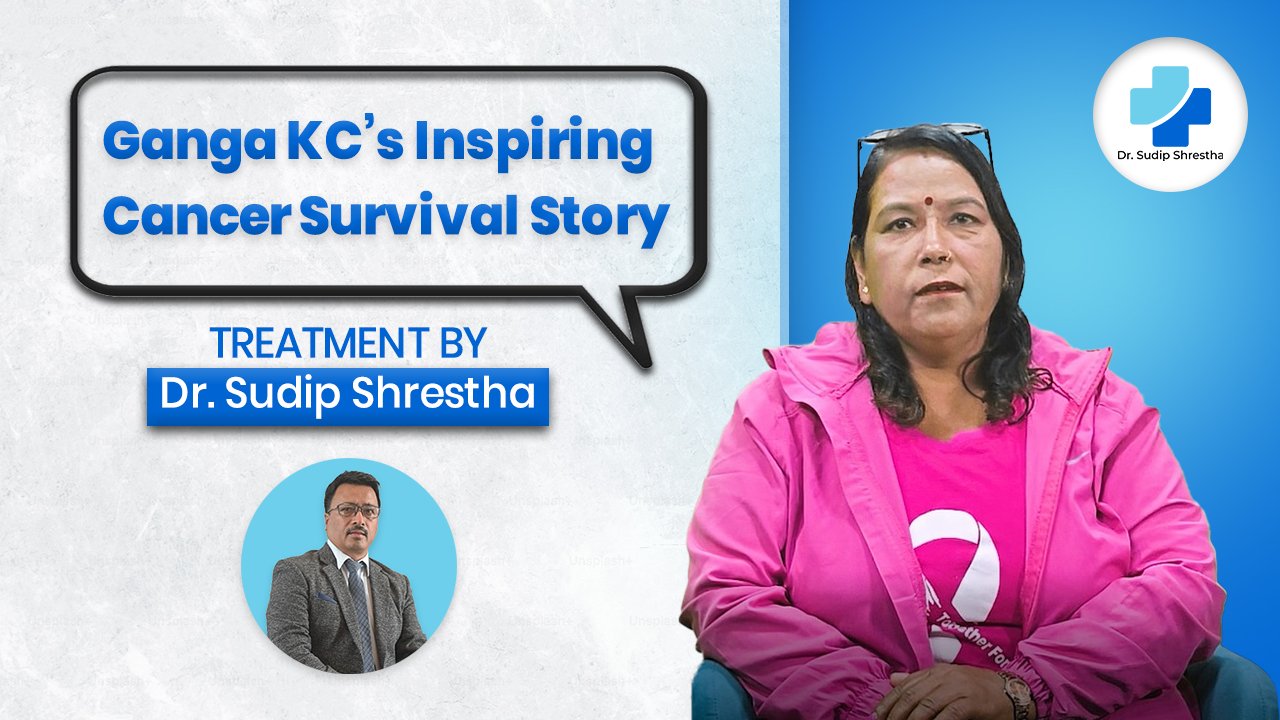
Ganga KC’s Inspiring Cancer Survival Story: A Journey of Resilience and Hope

Cancer Treatment in Nepal

Introduction Cancer is one of the most challenging battles a person can face. It not only affects physical health but also takes a toll on mental and emotional well-being. However, stories like that of Ganga KC, a courageous cancer survivor, inspire countless others to stay strong and keep fighting. Her journey, marked by immense resilience, determination, and the right medical guidance, highlights the importance of early diagnosis, timely treatment, and a positive mindset. In this blog, we will explore Ganga KC’s battle with cancer, the crucial role played by Dr. Sudip Shrestha, and how the support of family, friends, and a strong willpower helped her emerge victorious. The Life-Changing Diagnosis: Ganga KC’s Initial Struggles A cancer diagnosis is never easy. For Ganga KC, the moment she was told she had cancer was overwhelming. Like most patients, she faced a wave of emotions fear, confusion, and uncertainty. These were some of the many thoughts running through her mind. However, instead of letting fear consume her, she decided to fight back. The Role of Dr. Sudip Shrestha in Her Cancer Journey One of the most important aspects of Ganga KC’s recovery was the expert medical care she received. Dr. Sudip Shrestha, a well-respected oncologist, played a crucial role in her treatment. Who is Dr. Sudip Shrestha? Dr. Sudip Shrestha is a leading cancer specialist with extensive experience in oncology. He has helped numerous cancer patients with effective treatment plans, offering them hope for recovery. His expertise in diagnosing and treating cancer has saved many lives. How Did Dr. Sudip Shrestha Help Ganga KC? The Treatment Journey: Overcoming Challenges with Determination Ganga KC underwent several treatments, each presenting its own set of difficulties. Some of the biggest challenges she faced included: 1. Physical and Emotional Struggles 2. Financial Burden of Cancer Treatment 3. The Importance of Mental Strength The Power of Family, Friends, and Community Support One of the biggest takeaways from Ganga KC’s story is the importance of a strong support system. Lessons from Ganga KC’s Journey: Inspiration for Others Ganga KC’s battle with cancer is a powerful reminder that cancer does not define a person their strength and courage do. Her story serves as motivation for others who may be fighting similar battles. Key Takeaways from Her Journey: ✔ Early Detection is Crucial – Regular check-ups can help detect cancer at an early stage when treatment is more effective. ✔ The Right Medical Guidance Matters – Seeking treatment from experienced professionals like Dr. Sudip Shrestha can significantly impact recovery. ✔ Mental Strength and Positivity Help in Healing – A positive outlook can make a difference in how a person copes with illness. ✔ Support from Loved Ones is Vital – Emotional encouragement plays a significant role in recovery. Final Thoughts: A Story of Hope and Survival Ganga KC’s incredible journey from cancer diagnosis to recovery is a beacon of hope for many. Her resilience, combined with expert medical care from Dr. Sudip Shrestha, highlights the power of modern medicine, mental strength, and unwavering support. Her story is a reminder that cancer is not the end it’s a battle that can be won with the right mindset, medical care, and a strong support system. If you or a loved one is facing a similar challenge, remember that you are not alone. With proper treatment, mental resilience, and the support of family and professionals, recovery is possible. Stay strong. Stay hopeful. Keep fighting. 💪🏼🎗️

Gallbladder Cancer

Gallbladder Cancer

Gallbladder cancer is a rare but aggressive malignancy that begins in the gallbladder, a small, pear-shaped organ located beneath the liver. The gallbladder’s primary function is to store bile, a digestive fluid that helps break down fats. Unfortunately, gallbladder cancer often goes undetected in its early stages because it typically does not cause noticeable symptoms. By the time it is diagnosed, it has often spread to other parts of the body, making treatment more challenging. In Nepal, gallbladder cancer is becoming a growing concern, and early detection can significantly improve survival rates. Dr. Sudip Shrestha, a leading oncologist in Nepal, emphasizes the importance of awareness, early diagnosis, and proper medical intervention to combat this disease effectively. What is Gallbladder Cancer? Gallbladder cancer occurs when abnormal cells grow uncontrollably in the gallbladder, forming a tumor. The most common type of gallbladder cancer is adenocarcinoma, which begins in the glandular cells that line the gallbladder’s inner surface. Why is Gallbladder Cancer Dangerous? Symptoms of Gallbladder Cancer In the early stages, gallbladder cancer may not cause noticeable symptoms. However, as the disease progresses, the following symptoms may appear: When to See a Doctor?If you experience any of these symptoms, especially persistent abdominal pain and jaundice, consult a doctor immediately. Early diagnosis can make a significant difference in treatment outcomes. Causes and Risk Factors of Gallbladder Cancer While the exact cause of gallbladder cancer is not always clear, several factors increase the risk of developing this disease: 1. Gallstones and Chronic Gallbladder Inflammation Gallstones are the most common risk factor for gallbladder cancer. These hard deposits in the gallbladder can cause long-term irritation and inflammation, increasing the risk of cancerous changes. 2. Age and Gender 3. Obesity and Diet 4. Family History A family history of gallbladder cancer or other biliary tract cancers may increase the likelihood of developing the disease. 5. Exposure to Certain Chemicals Workers in industries that involve metal or rubber manufacturing may be exposed to harmful chemicals that increase cancer risk. Diagnosis of Gallbladder Cancer Early detection of gallbladder cancer is crucial for successful treatment. Doctors may use the following tests to diagnose gallbladder cancer: Treatment Options for Gallbladder Cancer The treatment for gallbladder cancer depends on the stage of the disease. Common treatments include: 1. Surgery 2. Chemotherapy 3. Radiation Therapy 4. Palliative Care Can Gallbladder Cancer Be Prevented? While there is no sure way to prevent gallbladder cancer, certain lifestyle changes can reduce the risk: ✅ Maintain a Healthy Weight – Obesity is a major risk factor. Exercise regularly and eat a balanced diet. ✅ Eat a Healthy Diet – Increase fiber intake and avoid processed and fatty foods. ✅ Quit Smoking – Smoking increases the risk of many cancers, including gallbladder cancer. ✅ Monitor Gallstones – If you have gallstones, consult a doctor to determine if treatment is needed. ✅ Regular Health Check-ups – Early detection is key to successful treatment. Gallbladder Cancer in Nepal: Expert Insights from Dr. Sudip Shrestha Dr. Sudip Shrestha, one of Nepal’s leading oncologists and the founder of Nepal Cancer Hospital and Research Center, has been at the forefront of cancer treatment and awareness. He emphasizes that early detection and prevention are the most effective strategies against gallbladder cancer. According to Dr. Shrestha: 📌 Awareness is crucial – Most people in Nepal do not recognize the symptoms of gallbladder cancer until it is too late. Public education can help in early diagnosis. 📌 Regular screenings for at-risk individuals – People with gallstones, chronic gallbladder inflammation, or a family history of gallbladder disease should undergo regular medical check-ups. 📌 Access to advanced cancer care – Nepal has made progress in cancer treatment, but more awareness and resources are needed to improve early diagnosis rates. Conclusion Gallbladder cancer is a serious but preventable disease. While it is not common, its late diagnosis often leads to poor outcomes. By recognizing the symptoms early, understanding risk factors, and consulting experts like Dr. Sudip Shrestha, individuals in Nepal can improve their chances of successful treatment. If you or someone you know is experiencing persistent abdominal pain, jaundice, or other symptoms related to gallbladder cancer, do not delay seeking medical attention. Early intervention can save lives.

Cancer in Young Adults: Rising Cases and How to Stay Protected

Cancer in Young adults

Cancer is often associated with older adults, but in recent years, cancer in young adults (AYAs – Adolescents and Young Adults) has been increasing at an alarming rate. According to the National Cancer Institute (NCI), an estimated 84,100 AYAs (ages 15-39) will be diagnosed with cancer in the United States in 2024, accounting for approximately 4.2% of all cancer cases. While survival rates have improved, the unique challenges faced by young adults with cancer—from late diagnosis to limited research on their specific cancer types—make awareness and prevention critical. In this blog, Dr. Sudip Shrestha explores the rising trend of cancer in young adults, its causes, most common types, and how to stay protected. Why is Cancer in Young Adults Increasing? Several factors contribute to the increasing cancer rates in young adults, including lifestyle changes, environmental exposures, genetics, and late detection. 1. Lifestyle Factors 2. Environmental Exposures 3. Genetic and Hereditary Risks 4. Delayed Screenings and Diagnosis Young adults often ignore symptoms or lack access to early cancer screenings. Unlike childhood or older adult cancers, there are fewer routine screening programs targeted at AYAs. Most Common Cancers in Young Adults Cancer types vary across age groups and gender. According to NCI’s Surveillance, Epidemiology, and End Results (SEER) Program, the most common cancers among AYAs (ages 15-39) include: 1. Breast Cancer 2. Thyroid Cancer 3. Testicular Cancer 4. Melanoma (Skin Cancer) 5. Colorectal Cancer 6. Lymphomas (Hodgkin’s and Non-Hodgkin’s) 7. Cervical Cancer How to Stay Protected: Cancer Prevention Tips While some cancers are genetic, many lifestyle-related cancers can be prevented with proactive measures. 1. Maintain a Healthy Diet 2. Exercise Regularly 3. Avoid Smoking and Limit Alcohol 4. Protect Your Skin 5. Get Vaccinated 6. Know Your Family History 7. Regular Screenings and Check-Ups 8. Listen to Your Body Conclusion The rising cases of cancer in young adults highlight the need for awareness, early detection, and proactive lifestyle choices. While some factors like genetics are beyond our control, preventative measures such as a healthy diet, regular exercise, and routine screenings can significantly reduce cancer risk. Dr. Sudip Shrestha encourages young adults to stay informed, prioritize their health, and take preventive steps today to ensure a healthier future.

Cervical Cancer: Causes, Symptoms & Treatments

Cervical Cancer

Cervical cancer is a preventable yet serious health condition affecting women worldwide. In recent years, advancements in screening, vaccination, and treatment have significantly improved outcomes for patients. Despite these improvements, understanding cervical cancer remains crucial in combating its impact. In this comprehensive guide, we explore cervical cancer’s causes, symptoms, treatments, and prevention measures, with insights from the expertise of Dr. Sudip Shrestha, a prominent oncologist. What is Cervical Cancer? Cervical cancer develops when abnormal cells in the cervix multiply uncontrollably. The cervix is the lower part of the uterus, connecting to the vagina. Cervical cancer often starts as precancerous changes in the lining of the cervix. There are two main types of cervical cancer: While the disease is treatable if detected early, it can progress to life-threatening stages without timely intervention. Causes of Cervical Cancer Almost all cases of cervical cancer are linked to persistent infection with high-risk types of the human papillomavirus (HPV). This sexually transmitted infection is common, but only certain strains cause cancer. Major Risk Factors It’s important to note that HPV infections are common, but most resolve without causing cancer. Regular screening is vital to detect abnormalities early. Symptoms of Cervical Cancer In its early stages, cervical cancer rarely shows symptoms, making regular screening essential. However, as it progresses, the following symptoms may appear: If you notice these symptoms, consult a healthcare provider promptly. Early intervention significantly improves outcomes. Diagnosis of Cervical Cancer Early detection is critical in cervical cancer care. Diagnosis typically follows a positive cervical screening test. Diagnostic Procedures Staging of Cervical Cancer Cervical cancer is staged from 1 to 4 based on its spread: Staging guides treatment plans and predicts outcomes. Treatment for Cervical Cancer The choice of treatment depends on the cancer’s stage, size, and the patient’s overall health. The primary treatments include: 1. Surgery Surgery is the mainstay for early-stage cervical cancer. Procedures include: 2. Radiation Therapy High-energy rays target and destroy cancer cells. It is often combined with chemotherapy for advanced stages. 3. Chemotherapy Drugs like cisplatin and fluorouracil kill cancer cells or shrink tumors. Chemotherapy is used for advanced or metastatic cases. 4. Immunotherapy and Targeted Therapy Newer treatments like immunotherapy boost the immune system’s ability to fight cancer, offering hope for cases resistant to traditional therapies. Role of the Treatment Team Managing cervical cancer requires a multidisciplinary approach: Each specialist plays a pivotal role in ensuring optimal outcomes. Preventing Cervical Cancer Cervical cancer prevention focuses on vaccination, regular screening, and adopting healthy lifestyle choices. 1. HPV Vaccination Vaccines like Gardasil 9 protect against high-risk HPV types. The vaccine is most effective when administered to pre-teens (ages 12–13) but is recommended for everyone aged 12–25. While vaccinated individuals still need regular screening, the vaccine drastically reduces the risk of cervical cancer. 2. Cervical Screening The Cervical Screening Test detects HPV infections before cancer develops. Women aged 25–74 should undergo screening every five years. 3. Healthy Lifestyle Cervical Cancer Survival Rates and Prognosis Cervical cancer has an excellent prognosis when detected early. The five-year survival rate for localized cervical cancer is over 90%. However, survival decreases significantly in advanced stages. Factors influencing prognosis include: Fertility concerns are common for women undergoing treatment. If having children is a priority, consult your doctor about fertility-preserving options before starting therapy. Insights from Dr. Sudip Shrestha Dr. Sudip Shrestha, an esteemed oncologist in Nepal, emphasizes the importance of early detection and holistic care in cervical cancer treatment. His expertise in oncology and compassionate patient care make him a leading figure in cancer management. Dr. Shrestha’s approach underscores the need for community awareness and proactive health measures, including vaccination and regular screening. Conclusion Cervical cancer is a preventable and treatable condition, provided it is detected early. With advancements in HPV vaccination and screening, the world is moving closer to eradicating cervical cancer as a major health concern. Individuals must prioritize regular screenings, adopt healthy habits, and educate themselves about the risks and symptoms. Dr. Sudip Shrestha’s work and the experiences of countless survivors highlight the critical importance of awareness, prevention, and comprehensive care. Take charge of your health today to protect yourself and your loved ones from cervical cancer.

A Step-by-Step Guide to Cancer Screening

Cancer Screening

IntroductionEarly detection of cancer through screening is a cornerstone of effective cancer care. Cancer screening involves a series of tests designed to identify potential signs of cancer before symptoms appear. This proactive approach can lead to earlier treatment, improved survival rates, and in some cases, complete cure. Dr. Sudip Shrestha, a renowned oncologist in Nepal, emphasizes the importance of cancer screening as a preventive measure and a key step toward better health outcomes. What is Cancer Screening? Cancer screening is the process of testing for cancer or precancerous conditions in individuals who do not show any symptoms. These tests are designed to detect cancer at an early stage, where treatment is more likely to be successful. However, it is important to note that screening tests do not diagnose cancer; instead, they flag potential abnormalities that may require further investigation. Benefits of Cancer Screening Limitations of Cancer Screening Who Should Consider Cancer Screening? Screening guidelines vary based on factors such as age, gender, family history, and personal risk factors. Generally, regular screening begins in your 40s. However, individuals with a family history of cancer or pre-cancerous conditions may need to start earlier. Risk Factors to Consider For personalized advice, consult with a healthcare provider or cancer specialist like Dr. Sudip Shrestha. Common Cancer Screening Tests Breast Cancer Prostate Cancer Cervical Cancer Lung Cancer Colorectal Cancer Skin Cancer How to Prepare for Cancer Screening Insights from Dr. Sudip Shrestha Dr. Sudip Shrestha emphasizes a patient-centric approach to cancer screening, advocating for individualized care based on a person’s unique risk profile. With his extensive expertise in oncology, he encourages regular health checkups and timely cancer screening as part of a holistic health strategy. Addressing Common Questions About Cancer Screening 1. When Will I Receive My Results? Results from screenings like blood tests or imaging typically take a few days to a week. Your healthcare provider will discuss the findings with you. 2. What Happens If My Results Show Abnormalities? An abnormal result doesn’t necessarily mean cancer. Further diagnostic tests, such as a biopsy, may be needed to confirm the findings. 3. How Often Should I Be Screened? The frequency depends on the type of test and your personal risk factors. Consult with your healthcare provider to create a screening schedule tailored to you. The Role of Advanced Testing in Cancer Screening Emerging technologies like the Galleri test, which detects multiple types of cancer through a blood sample, represent the future of early cancer detection. While not yet FDA-approved, such advancements highlight the evolving landscape of cancer care. Conclusion Cancer screening is a vital step toward early detection and prevention. By identifying cancer at its earliest stages, patients can pursue treatment options with the highest chances of success. Whether it’s scheduling a routine mammogram, colonoscopy, or consulting an expert like Dr. Sudip Shrestha, taking proactive steps today can safeguard your health tomorrow. For expert advice and personalized cancer care, contact Dr. Sudip Shrestha and explore the best screening options for your needs.