
From Bloating to Ovarian Cancer: Warning Signs Every Woman Should Know
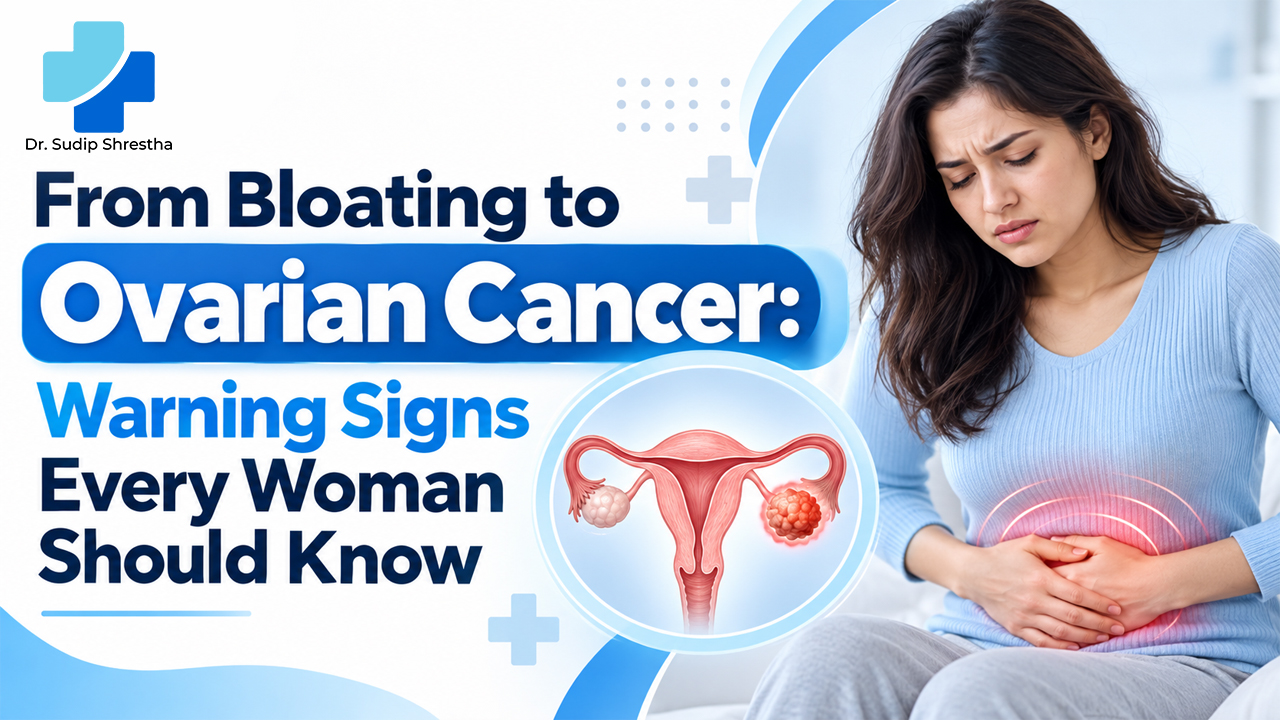
Bloating is extremely common, and having a bloated abdomen does not mean you have ovarian cancer. What deserves closer attention is bloating that is new or unusual for you, occurs frequently, persists instead of settling, becomes progressively worse, or appears together with symptoms such as pelvic or abdominal pain, feeling full unusually quickly, changes in urination or bowel habits, or abnormal vaginal bleeding. The CDC advises women to seek medical evaluation when possible ovarian-cancer symptoms continue for around two weeks and are not normal for them. The American Cancer Society similarly emphasizes symptoms that are persistent and occur frequently. This guide explains how to distinguish everyday bloating from a symptom pattern that deserves evaluation, what other warning signs to recognize, which women may have higher risk, and what doctors may do when ovarian cancer needs to be ruled out. Medical note: This article provides general health education. Symptoms cannot diagnose ovarian cancer. Persistent or concerning symptoms require assessment by an appropriately qualified healthcare professional. What Is Ovarian Cancer? Ovarian cancer refers to malignant disease involving the ovaries, but the term is clinically connected with certain cancers of the fallopian tubes and primary peritoneum because these cancers can arise from similar tissues and are often managed in related ways. The ovaries are part of the female reproductive system and sit on either side of the uterus. Some cancers historically classified as ovarian cancers may begin near the end of a fallopian tube and subsequently involve the ovary. There are different ovarian tumour types, and they do not all behave the same way. For readers, however, the most important early lesson is simpler: ovarian cancer does not always announce itself with one dramatic symptom. Its possible symptoms can resemble far more common digestive, urinary, hormonal, or gynecological problems. That overlap is one reason women may initially dismiss bloating, pelvic pressure, changes in appetite, or increased urinary frequency as routine discomfort. The goal should therefore not be to assume cancer whenever bloating occurs. The useful question is: Has something changed from what is normal for your body, and is that change continuing? Can Bloating Really Be a Sign of Ovarian Cancer? Yes, persistent bloating can be one symptom of ovarian cancer, but most episodes of bloating are caused by conditions other than cancer. The CDC lists bloating among recognized ovarian-cancer symptoms along with pelvic pressure or pain, abdominal or back pain, feeling full quickly, difficulty eating, urinary changes, constipation, and abnormal vaginal bleeding or discharge. The difference between ordinary bloating and potentially concerning bloating is usually not a single sensation. It is the pattern. A practical 4P framework: Pattern, Persistence, Progression and Partners This is a reader-friendly framework for symptom awareness not a validated diagnostic scoring system. 1. Pattern: Is this different from your normal bloating? Many women know what ordinary bloating feels like. It may follow a heavy meal, constipation, certain foods, or part of the menstrual cycle and then improve. A new pattern is more important. Examples include waking up repeatedly with abdominal fullness, noticing that the abdomen remains swollen throughout the day, or finding that trousers or a waistband consistently feel tighter despite no obvious explanation. The important comparison is not with another woman’s body. It is with your own usual pattern. 2. Persistence: Does it keep returning or fail to settle? Occasional bloating after eating is different from symptoms occurring day after day. CDC advises medical evaluation when possible ovarian-cancer symptoms last for about two weeks or longer and are not normal for the individual. The American Cancer Society advises discussing symptoms that occur more than about 12 times per month. These are awareness thresholds rather than diagnostic rules. You do not need to wait until a precise number of days has passed when symptoms are clearly worsening or particularly concerning. 3. Progression: Is the symptom becoming more noticeable? A symptom that gradually becomes more frequent, severe, or disruptive deserves attention. For example, occasional evening bloating that progresses to daily abdominal swelling, reduced appetite, or increasing discomfort should not simply be treated indefinitely with home remedies without identifying the cause. Progression does not prove cancer. It means an explanation is needed. 4. Partners: Are other symptoms appearing with the bloating? Bloating becomes more clinically important when it appears alongside other changes such as: The combination still does not diagnose ovarian cancer. But multiple new and persistent symptoms provide a stronger reason for medical assessment. What Are the Main Warning Signs of Ovarian Cancer? The symptom pattern matters more than any single item. Possible warning sign What a woman may notice When it deserves attention Persistent bloating Abdomen repeatedly feels swollen, tight or unusually full New, frequent, persistent or worsening Pelvic/abdominal pain Pressure, aching or discomfort below or around the abdomen Recurrent or unexplained Early fullness Feeling full after a small meal Persistent change from usual appetite Difficulty eating Reduced ability or desire to finish normal meals Especially with bloating or weight change Urinary changes Needing to urinate more often or urgently New without another clear cause Bowel changes Constipation or altered bowel pattern Persistent and unusual for you Back pain New, unexplained lower-back discomfort Especially with abdominal/pelvic symptoms Abnormal vaginal bleeding Bleeding outside expected pattern or after menopause Requires prompt medical assessment These symptoms occur in many non-cancerous conditions. The CDC specifically stresses knowing what is normal for your body and seeking evaluation for changes that are unusual and persistent. Abnormal vaginal bleeding, particularly after menopause, should be assessed promptly. Ovarian Cancer Bloating vs Normal Bloating: What Is the Difference? There is no home test that can reliably tell the difference. However, symptom behaviour can help determine whether medical evaluation is reasonable. Often less concerning More deserving of medical evaluation Appears after certain meals Appears without an obvious food trigger Comes and goes predictably Occurs frequently or nearly every day Improves after bowel movement Persists despite usual measures Matches a familiar menstrual pattern New or different from previous cycles Resolves within a short period Continues for weeks No … Read more