
Why Does Hair Fall Out During Chemotherapy? Understanding Chemotherapy Hair Loss
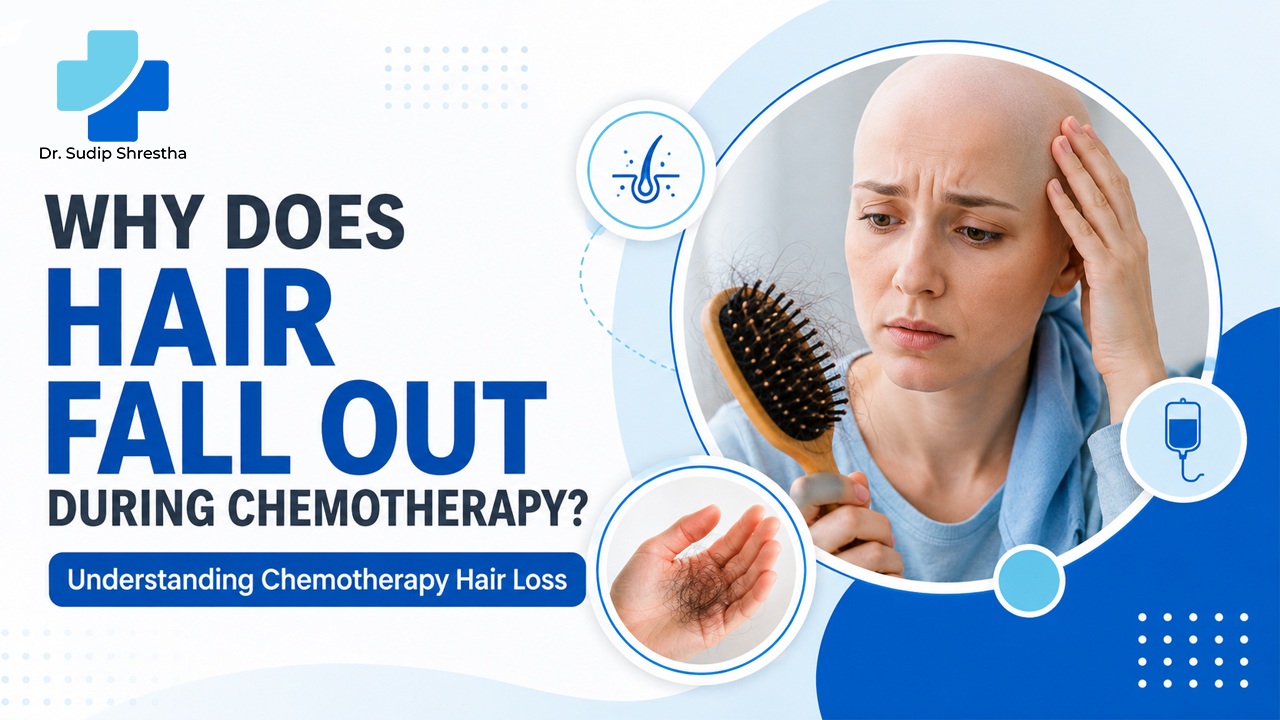
Chemotherapy hair loss happens because some cancer medicines affect rapidly dividing cells in hair follicles while they are treating cancer cells. As a result, hair growth slows, hair shafts become fragile, and scalp hair or body hair may begin to shed. Not every chemotherapy medicine causes hair loss, and the amount of shedding depends on the drugs, dose, treatment schedule, and individual response. For many people, noticeable shedding begins around two to three weeks after the first treatment cycle. Hair often starts returning after chemotherapy ends, although regrowth can take time and, in some cases, may remain incomplete. Understanding the expected timeline, practical scalp care, and whether options such as scalp cooling are suitable can make treatment easier to plan. Evidence checked: August 23, 2026. This educational article does not replace advice from your treating oncology team. What is chemotherapy-induced alopecia? Chemotherapy-induced alopecia is the medical term for hair loss caused by certain cancer medicines. It can involve mild thinning, patchy shedding, or more extensive hair loss. Depending on the treatment, changes may affect the scalp, eyebrows, eyelashes, beard, underarms, or other body hair. Hair loss is a treatment side effect, not an infection and not proof that cancer is spreading. It also does not reveal whether a particular treatment is working. The U.S. National Cancer Institute explains that some chemotherapy medicines can affect hair on the head and other parts of the body. Radiation-related hair loss is different because it usually occurs only in the area being treated. Why does chemotherapy cause hair loss? Some chemotherapy medicines affect rapidly dividing cells. Cancer cells often divide quickly, but certain healthy cells also renew rapidly, including the cells that produce hair. When chemotherapy reaches those active hair-follicle cells, it can interrupt normal hair growth and cause the hair to weaken or fall out. Hair follicles spend much of their time in an active growth stage called the anagen phase. During this stage, cells at the base of the follicle multiply to produce the growing hair shaft. Medicines that disrupt cell division can temporarily disturb this process. The American Cancer Society identifies hair follicles, bone marrow, and the digestive tract as examples of healthy tissues that chemotherapy can affect. This helps explain why hair loss may occur alongside other side effects, even though the medicines are being used for an important therapeutic purpose. For additional background, Dr. Shrestha’s explanation of how chemotherapy affects healthy and cancerous cells describes why treatment effects differ across tissues. Does losing hair mean chemotherapy is working? No. Hair loss reflects how a particular treatment affects hair follicles; it does not show whether cancer is responding. Oncologists assess treatment through appropriate examinations, scans, laboratory tests, and other clinical information. A patient can respond well to treatment without losing hair, and visible hair loss does not guarantee a better result. Does every chemotherapy treatment cause hair loss? No. Some chemotherapy regimens cause substantial hair loss, some cause only thinning, and others have little visible effect. The likelihood depends on the specific medicines, their dose, how they are combined, the treatment schedule, and individual factors. Medicines more commonly associated with significant hair loss can include: These examples do not mean every person receiving one of these medicines will have the same experience. A medicine’s effects can change when it is combined with other treatments or given on a different schedule. For example, someone receiving chemotherapy for breast cancer may have a different hair-loss risk from someone receiving treatment for another cancer. Ask your oncology team about the actual names of the medicines in your treatment plan rather than relying on another patient’s experience. Targeted therapies, immunotherapy, and hormone treatments can sometimes cause hair thinning or other hair changes, but their effects are not identical to those of conventional chemotherapy. Radiation therapy usually affects hair only in the treatment field. When does hair loss start during chemotherapy? When hair loss is going to occur, shedding commonly begins about two to three weeks after the first chemotherapy cycle, although the timing varies. The scalp may feel sensitive before hair begins falling out, and shedding can become more noticeable around later treatment cycles. The American Cancer Society’s patient guidance describes this common two-to-three-week pattern. The timeline below is a guide, not a prediction for an individual patient. Treatment stage What may happen Useful next step Before treatment begins Your oncology team can explain whether the planned medicines commonly affect hair. Ask about expected hair loss, scalp care, and scalp-cooling eligibility. Around 2–3 weeks after the first cycle Some people notice thinning, loose hair on the pillow, or increased shedding while washing. Handle hair gently and prepare comfortable head coverings if desired. During later treatment cycles Hair loss may become more noticeable, remain partial, or affect eyebrows and body hair. Continue scalp protection and report painful or inflamed skin. After chemotherapy ends Shedding often settles as hair follicles recover. Ask when it is appropriate to consider hair-regrowth support. Approximately 2–3 months after treatment Many people begin noticing new growth, although timing and thickness vary. Protect new hair and discuss delayed or incomplete regrowth with your clinician. The practical message is that preparation is often easiest before the first infusion. Patients who prepare for chemotherapy treatment can include hair-loss questions alongside discussions about other expected side effects. Some people cut their hair shorter before shedding begins because shorter strands can feel easier to manage. This is a personal preference, not a medical requirement, and it does not prevent hair loss. Which parts of the body can lose hair? Chemotherapy can affect scalp hair, eyebrows, eyelashes, beard hair, underarm hair, and other body hair. The pattern varies between medicines and individuals, and not everyone loses hair in all these areas. Eyebrow or eyelash loss can feel especially noticeable because it changes facial appearance. Loss of nasal hair may also make some people more aware of nasal dryness or irritation, although this is not universal. If your eyelashes thin and your eyes become irritated, ask your … Read more