
H. pylori and Stomach Cancer: Can Chronic Gastritis Increase Your Risk?
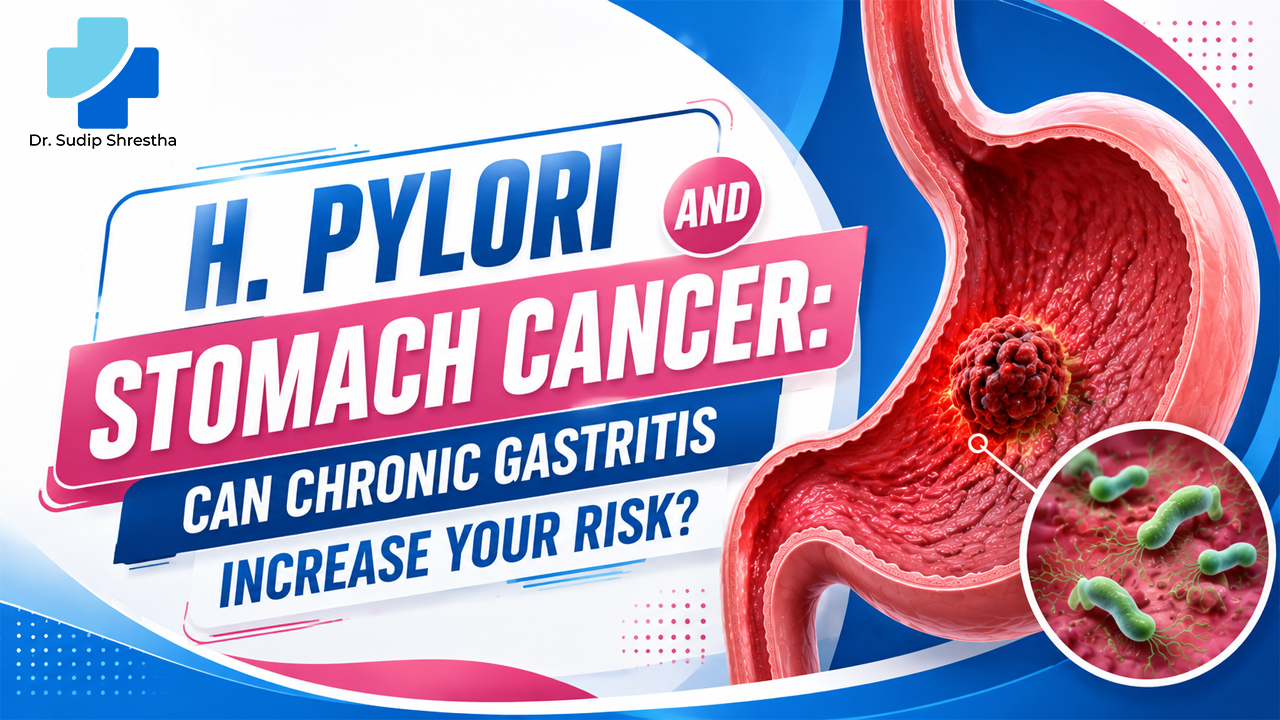
H. pylori and stomach cancer are strongly connected, but the relationship is often misunderstood. Chronic infection with Helicobacter pylori can cause long-lasting inflammation of the stomach lining and is an important cause of non-cardia gastric cancer. However, having H. pylori or gastritis does not mean that a person will automatically develop cancer. The frequently repeated “90%” figure also needs context. An International Agency for Research on Cancer analysis estimated that about 89% of non-cardia gastric cancers worldwide were attributable to H. pylori infection. This does not mean H. pylori causes 90% of all cancers, or that 90% of people infected with the bacterium will develop stomach cancer. Understanding this distinction can help people with recurrent gastritis or a confirmed H. pylori infection take appropriate action without unnecessary fear. What Is H. pylori and How Does It Affect the Stomach? Helicobacter pylori, usually shortened to H. pylori, is a bacterium that can colonize the stomach lining. H. pylori infection is one of the most common causes of chronic gastritis. Many infected people have no obvious symptoms, while others experience indigestion, abdominal discomfort, nausea, ulcers or other gastric problems. Chronic H. pylori infection causes persistent inflammation in the stomach. In some people, that inflammation remains relatively limited. In others, years of inflammation can lead to structural changes in the stomach lining that are associated with a greater risk of gastric cancer. H. pylori has been classified as a human carcinogen because of its established relationship with gastric adenocarcinoma and gastric MALT lymphoma. This makes H. pylori important not only to gastroenterology but also to cancer prevention. What Does the “89% of Stomach Cancer” Statistic Actually Mean? The number is frequently quoted incorrectly. An IARC analysis examining the worldwide cancer burden estimated that 89% of non-cardia gastric cancers were attributable to H. pylori infection. Non-cardia gastric cancer develops in the main part of the stomach rather than the area immediately adjacent to the esophagus. The denominator matters. Statement Is it accurate? Correct interpretation “H. pylori causes 90% of all cancers.” No Cancer has many causes and risk factors. “90% of people with H. pylori get stomach cancer.” No Most infected people do not develop gastric cancer. “Gastritis causes 90% of cancer.” No Gastritis has different causes and does not automatically progress to cancer. “Around 89% of non-cardia gastric cancers were attributable to H. pylori in an IARC global analysis.” Yes This is the population-level estimate being referenced. The original IARC analysis was based on global cancer burden estimates from 2008, so it should also be presented with that historical context rather than as a newly measured 2026 percentage. The practical message is still important: H. pylori is one of the most significant preventable causes of gastric cancer, but individual cancer risk depends on much more than simply testing positive for the infection. How Can H. pylori Gastritis Progress Toward Stomach Cancer? Cancer does not usually appear immediately after H. pylori infection. The concern is persistent inflammation over a long period. NCI describes chronic H. pylori infection as causing long-lasting gastritis in most infected people. In some individuals, this may progress to atrophic gastritis, in which the stomach lining becomes thinner and damaged. The pathway may broadly be understood as: H. pylori infection → chronic inflammation → atrophic gastritis → intestinal metaplasia → dysplastic changes → gastric cancer in some patients This sequence is a risk pathway, not a guaranteed outcome. Atrophic gastritis and gastric intestinal metaplasia are particularly important because NCI recognizes both as conditions associated with an increased risk of stomach cancer. This is why simply asking, “Do I have gastritis?” is sometimes less useful than determining what type of gastritis is present, what caused it, and whether the stomach lining has undergone significant long-term changes. Does Having Gastritis Mean You Will Develop Cancer? No. “Gastritis” simply describes inflammation of the stomach lining. It can have different causes. H. pylori infection is an important cause, but gastritis and stomach cancer are not the same disease. Many people with gastritis never develop cancer. The concern rises particularly when there is long-standing H. pylori infection associated with atrophic changes, intestinal metaplasia or other recognised gastric-cancer risk factors. A useful clinical distinction is therefore: Condition What it means Cancer relevance Acute or uncomplicated gastritis Inflammation of stomach lining Does not mean cancer H. pylori gastritis Chronic infection-related inflammation Can increase long-term gastric-cancer risk Atrophic gastritis Loss/thinning of normal gastric lining Recognised risk condition Gastric intestinal metaplasia Gastric cells replaced by intestinal-type cells Associated with increased gastric-cancer risk Gastric cancer Malignant growth in stomach tissue Requires cancer-specific diagnosis and treatment This distinction can prevent two common mistakes: ignoring persistent symptoms because they are assumed to be “just gastritis,” or becoming unnecessarily frightened because a routine gastritis diagnosis is mistaken for cancer. What Symptoms Can H. pylori Gastritis Cause? Many people with gastritis have no symptoms. When symptoms occur, NIDDK lists problems such as upper-abdominal discomfort, nausea, vomiting, early fullness, excessive fullness after eating and reduced appetite. These symptoms are not specific to cancer. Stomach cancer can also produce vague symptoms such as indigestion, stomach discomfort, bloating after eating, mild nausea, loss of appetite or heartburn. This overlap is one reason symptoms alone cannot reliably distinguish benign gastritis from gastric cancer. Persistent or changing symptoms deserve more attention than an isolated episode of indigestion. Dr. Sudip Shrestha’s existing guidance on early signs of cancer also emphasizes the importance of investigating persistent and unexplained changes rather than trying to diagnose cancer from a single symptom. Which Stomach Symptoms Should Not Be Ignored? Medical evaluation becomes particularly important when symptoms are persistent, progressive or accompanied by warning features. Examples include unexplained weight loss, persistent vomiting, worsening stomach pain, difficulty swallowing, reduced appetite or evidence of gastrointestinal bleeding. NCI lists blood in the stool, vomiting, unexplained weight loss and stomach pain among possible symptoms of more advanced stomach cancer. Black or tarry stool, red blood in vomit or vomit resembling coffee grounds can indicate bleeding in the stomach and … Read more