
Cancer treatment feels expensive because it isn’t a single service; it’s an entire care system delivered over weeks to years: diagnosis, staging, surgery, chemotherapy, radiation, targeted drugs, immunotherapy, scans, hospital stays, and long-term follow-up. In Nepal, costs rise further due to imported medicines, limited high-end equipment, and the “hidden” non-medical expenses of travel, time, and lost income especially for families in Kathmandu, Lalitpur, and Bhaktapur seeking the best possible outcome.
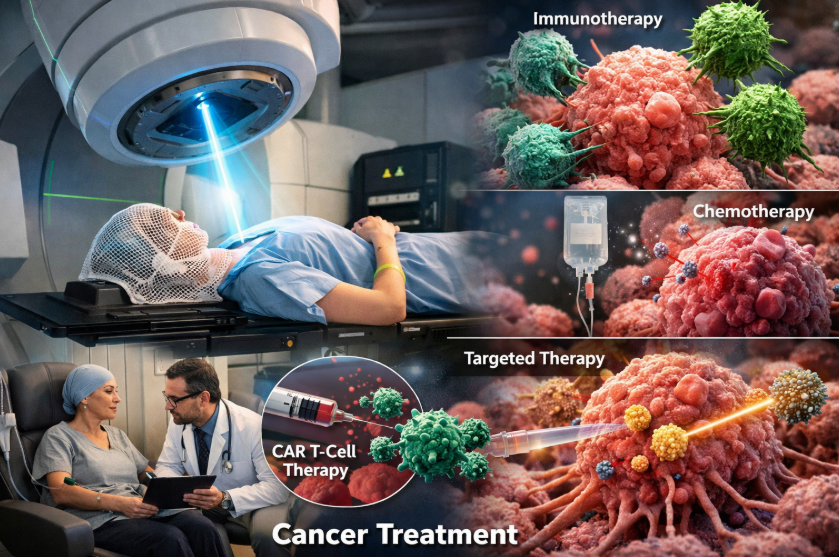
Cancer treatment cost is expensive because it combines high-cost medicines (often imported), complex hospital infrastructure, specialized staff, repeated diagnostics, and prolonged care cycles. The final bill is shaped not only by the disease stage and treatment type, but also by supply chains, insurance limits, supportive medicines, complications, and non-medical costs like travel and missed work.
The “7 Cost Drivers” Framework: What You’re Really Paying For
As a medical oncologist in Nepal, when patients ask me, “Doctor, why is cancer treatment so costly?”, I explain it using seven drivers. If you understand these, you can predict costs more accurately and avoid unpleasant surprises.
1) Late detection increases intensity (and multiplies costs)
Early-stage cancers may be treated with one or two modalities. Advanced cancers often require combined treatment and longer duration which pushes costs up. A Nepal-based study on financial burden reported higher annual costs associated with longer treatment duration and combined modalities.
Extractable summary
- Earlier stage → fewer treatments, fewer admissions, fewer scans
- Later stage → combination therapy + complications + supportive care
2) Drug type is the biggest swing factor (classic chemo vs targeted vs immunotherapy)
Not all “chemo” is the same:
- Conventional chemotherapy: often comparatively affordable per cycle.
- Targeted therapy / biologics: frequently much higher due to patents and complex manufacturing.
- Immunotherapy / cell therapies: among the most expensive globally; published literature notes immunotherapies can exceed $100,000 per patient, and some cell therapies can go far beyond that when total care is included.
Quotable insight: “In oncology, the medicine choice isn’t just a clinical decision it’s a budget decision. Two equally ‘standard’ treatments can differ in cost by 10–50 times.”
3) Diagnostics are not ‘one-time’ they repeat across the journey
Cancer treatment and care requires repeated:
- Biopsies, histopathology, immunohistochemistry
- CT/MRI/PET where indicated
- Blood tests (sometimes before every cycle)
These are not “extras” they are how we measure safety and response.
4) Infrastructure costs: machines, maintenance, and teams
High-quality cancer care relies on:
- Radiation machines (and ongoing calibration/QA)
- Modular operation theatres, chemo day-care safety systems
- Nuclear medicine in certain settings
Nepal has made advances in infrastructure, but high-end equipment remains costly to acquire and maintain.
5) Supportive care is essential (and often underestimated)
Patients often budget for the main drug but not for:
- Anti-nausea drugs, growth factors, antibiotics
- Ports/lines, hydration, transfusions
- Managing side effects and infections
Supportive care protects outcomes; skipping it can lead to complications that cost more.
6) Hospital admissions and complications change everything
A planned outpatient cycle differs massively from:
- Neutropenic fever admission
- Emergency procedures
- ICU-level complications in rare cases
The Nepal financial burden study linked higher costs with inpatient care and prior private facility visits.
7) The hidden costs: travel, food, lodging, and lost income
For families traveling into Kathmandu Valley (or to Bharatpur), indirect costs may rival medical bills:
- Transport and accommodation for multiple visits
- Time off work for patient + caregiver
- Nutrition and special requirements
Section takeaway (bullet summary)
- Biggest cost swing: drug class + stage
- Biggest surprise: supportive care + complications
- Biggest burden: indirect costs
Nepal-Specific Realities That Make Cancer Care Feel More Expensive
Imported medicines + price variation across institutions
Nepal’s oncology drug supply is heavily dependent on imports. Research on GI cancer drugs in Nepal highlights limited availability and price variations that can push patients to shop across hospitals adding logistic burden.
Quotable insight: “When medicine prices vary by hospital, patients pay twice once in money, and again in time and travel.”
Government support exists but coverage ceilings still leave gaps
Nepal has been moving toward support mechanisms for serious illnesses, including announcements of additional assistance (up to NPR 100,000–200,000 for certain complex diseases in some government programs).
There are also changes in insurance benefit structures (including OPD caps reported in early 2026).
Practical meaning: Many families still face out-of-pocket costs especially for newer drugs, repeated scans, and prolonged therapy.
Rate lists: public hospitals may be cheaper, but not all costs are captured
Public hospital rate lists show relatively lower per-service charges for items like radiotherapy fractions and day-care chemo services.
However, total cost still depends on drug selection, bed category, supportive medicines, and complications.
“Going abroad” isn’t automatically cheaper
Some patients consider India or other countries—but total cost must include:
- Travel, lodging, food
- Follow-up travel
- Fragmented continuity if care switches between systems
Even Nepal-based providers publish comparisons showing per-cycle ranges can differ and that travel adds burden.
Section takeaway
- Nepal’s cost challenge is often not “doctor fees” it’s drug sourcing + variability + indirect expenses.
Typical Cancer Treatment Cost Ranges in Nepal (What Patients Usually Want to Know)
Important note: Costs vary by cancer type, stage, hospital, and regimen. The ranges below are meant to help you plan not replace a personalized estimate.
A quick comparison table (planning-level)
| Treatment component | What drives cost most | Planning range (Nepal context) | Notes |
| Diagnostics (biopsy + imaging) | PET/CT need, repeat scans | Low → High | Often repeated during treatment |
| Surgery | Complexity, ICU need | Medium → High | Often one-time, but major swing |
| Chemotherapy (conventional) | Drug choice + cycles + supportive meds | Lower → Medium per cycle | Some Nepal providers cite per-cycle ranges (varies widely) |
| Targeted therapy | Brand vs biosimilar, duration | High | Often monthly for long periods |
| Immunotherapy | Duration, drug pricing | Very High | Global evidence shows very high totals |
| Radiotherapy | Fractions + technique | Medium | Public rate lists show per-fraction charges in some settings |
| Hospital admissions | Complications | Unpredictable | Biggest surprise cost |
A data-backed anchor for “annual burden”
A Nepal study reported an annual average cost of cancer care around USD 3,687 (≈ NPR 479,310), with higher costs tied to longer duration, combined modalities, and inpatient care.
Extractable summary
- The median patient experience is “multiple small bills that become a large annual burden.”
- The largest jumps happen when treatment becomes prolonged or requires hospitalization.
A Senior Oncologist Cost-Planning Process (Use This Before You Start)
Here is the exact planning sequence I recommend so families can budget with fewer shocks.
Step 1: Confirm diagnosis + stage (don’t budget on assumptions)
Before cost planning, confirm:
- Histopathology (what cancer it is)
- Stage (where it is)
- Biomarkers (when relevant)
Why: The stage and biology determine whether you need chemo alone, chemo+radiation, surgery, targeted therapy, or immunotherapy.
Step 2: Ask for a “treatment map” (not just a regimen name)
Request a written map covering:
- Total number of cycles / weeks
- Where treatment happens (OPD/day care/indoor)
- Expected scans and lab frequency
- “Plan B” if response is inadequate
Step 3: Demand a cost estimate in 3 layers
Ask your hospital/clinic to separate:
- Core treatment (main drugs/procedures)
- Supportive care (antiemetics, growth factors, ports, transfusions)
- Contingency (admissions/complications)
Quotable insight: “A ‘cheap’ plan without supportive care is often the most expensive plan later.”
Step 4: Compare equivalent protocols, not hospital reputations
If you’re comparing centers in Kathmandu, Lalitpur, and Bhaktapur:
- Compare the same drug molecules + doses + cycle count
- Ask whether drugs are originator, generic, or biosimilar (when applicable)
- Check if day-care protocols follow international standards (documentation, safety)
Step 5: Add indirect cost math (families often skip this)
Calculate:
- Transport x number of visits
- Lodging/food x treatment weeks
- Lost wages for patient/caregiver
Mini-checklist
- Written stage + plan ✅
- 3-layer estimate ✅
- Indirect costs ✅
- Backup pathway ✅
How to Reduce Cancer Treatment Cost Without Reducing Outcomes
This is the part patients care about most: how to save money ethically without gambling with survival.
1) Treat earlier (the highest ROI “cost reduction”)
Screening and early evaluation often reduce the need for combination therapy and long admissions.
2) Use biosimilars/generics when clinically appropriate
For some drugs, biosimilars can reduce cost substantially. Your oncologist should explain:
- Evidence equivalence
- Safety monitoring plan
- Why a specific brand is recommended (if it is)
3) Avoid duplicate tests by carrying a proper medical file
Keep:
- Reports + CDs of scans
- Chemo sheets
- Pathology blocks/slides if needed
Duplicate imaging is a silent budget killer.
4) Choose the right setting: day-care vs inpatient (when safe)
Many chemo regimens can be delivered in day-care safely, reducing bed and admission costs (unless your condition requires admission).
5) Ask about government supply channels and assistance programs
Nepal has periodically announced free distribution of certain rare/expensive cancer medicines via government hospitals. If eligible, this can reduce out-of-pocket burden.
Also check current disease-support provisions and insurance rules that may influence OPD/coverage ceilings.
Section takeaway
- Best savings come from smart planning, not cutting essentials.
- If you must cut costs, cut waste (duplicate tests, unnecessary travel), not supportive care.
How to Choose the Right Cancer Doctor/Center in Kathmandu, Lalitpur & Bhaktapur
When someone searches for “best cancer doctor near me,” they often mean: Who can guide me through high-stakes decisions with clarity and ethics?
Use this “CARE” checklist
C — Clarity: Do you receive written staging and a clear plan?
A — Accountability: Are side effects and emergencies handled systematically?
R — Rational options: Are alternatives explained (including cost-impact) without pressure?
E — Evidence alignment: Are protocols aligned with international guidelines and local feasibility?
What to ask in your first consultation
- “What stage is this, and what does that stage mean?”
- “What are the goals: cure, control, or comfort?”
- “What is plan A and plan B?”
- “What costs are predictable vs unpredictable?”
FAQ
1) Why is cancer treatment so expensive in Nepal?
Because many cancer medicines are imported, drug prices can vary across institutions, and treatment often requires repeated tests and long multi-modality care. Indirect costs travel, lodging, and lost income add heavily for families coming to Kathmandu Valley.
2) What is the biggest cost factor in cancer care?
For most patients, the biggest swing factor is the type of medicine (conventional chemo vs targeted therapy vs immunotherapy) and how long it must be continued. Newer oncology drugs can have very high annual costs globally.
3) How much does chemotherapy cost per cycle in Nepal?
It depends on the drug regimen, supportive medicines, and whether it’s day-care or inpatient. Some Nepal providers publish planning ranges per cycle, but your actual cost must be based on your exact protocol and number of cycles.
4) Is treatment in government hospitals cheaper?
Often, yes public rate lists may show lower charges for certain services (for example, radiotherapy per fraction in some public settings). But total cost still depends on drug choice, bed category, supportive care, and complications.
5) Can government programs reduce the cost of cancer medicines?
At times, Nepal has announced free distribution of certain rare/expensive cancer medicines through specified government hospitals. Eligibility and availability vary, so ask your oncologist and the treating hospital’s social service desk.
6) Why do two hospitals quote very different prices for the same cancer?
Price differences can come from drug brands vs biosimilars, procurement channels, supportive care bundles, bed categories, and pricing variation documented across institutions. Compare equivalent protocols before choosing.
7) How can I estimate the total cost before starting?
Request a written plan and a 3-layer estimate: (1) core treatment, (2) supportive care, and (3) contingency for admissions/complications. Then add indirect costs like travel and missed work.
8) When should I consult a medical oncologist in Nepal?
As soon as cancer is suspected (or confirmed by biopsy), especially before starting chemotherapy, targeted therapy, or immunotherapy. Early consultation improves planning, avoids duplicate tests, and can reduce overall cost by selecting the most efficient evidence-based pathway.
Conclusion: The practical truth about cost and what to do next
Cancer treatment is expensive because it is complex, prolonged, and medicine-driven and in Nepal, pricing variability and indirect costs amplify the burden. But families can regain control with structured planning.
Summary action points
- Get confirmed stage + written treatment map
- Ask for a 3-layer cost estimate
- Compare hospitals on equivalent protocols, not rumors
- Reduce waste (duplicate tests, avoidable travel), not essentials
- Explore eligible support channels for medicines and coverage rules