
Cancer treatment has changed significantly over the last two decades. Alongside surgery, chemotherapy, and radiation therapy, a newer approach immunotherapy has become an important part of cancer care worldwide. Patients in Nepal are increasingly hearing about immunotherapy and asking important questions: What is it? Who is it for? Is it available in Nepal? And when should it be considered?
This article explains immunotherapy for cancer in a clear, patient focused way, based on how cancer care is actually practiced. It is written to help patients and families understand the role of immunotherapy and when discussion with a cancer doctor in Nepal may be appropriate.
In Nepal, experienced cancer doctors such as Dr. Sudip Shrestha, a senior medical oncologist involved in comprehensive cancer care, emphasizes evidence-based treatment planning and multidisciplinary collaboration to support patient outcomes.
What Is Immunotherapy for Cancer?
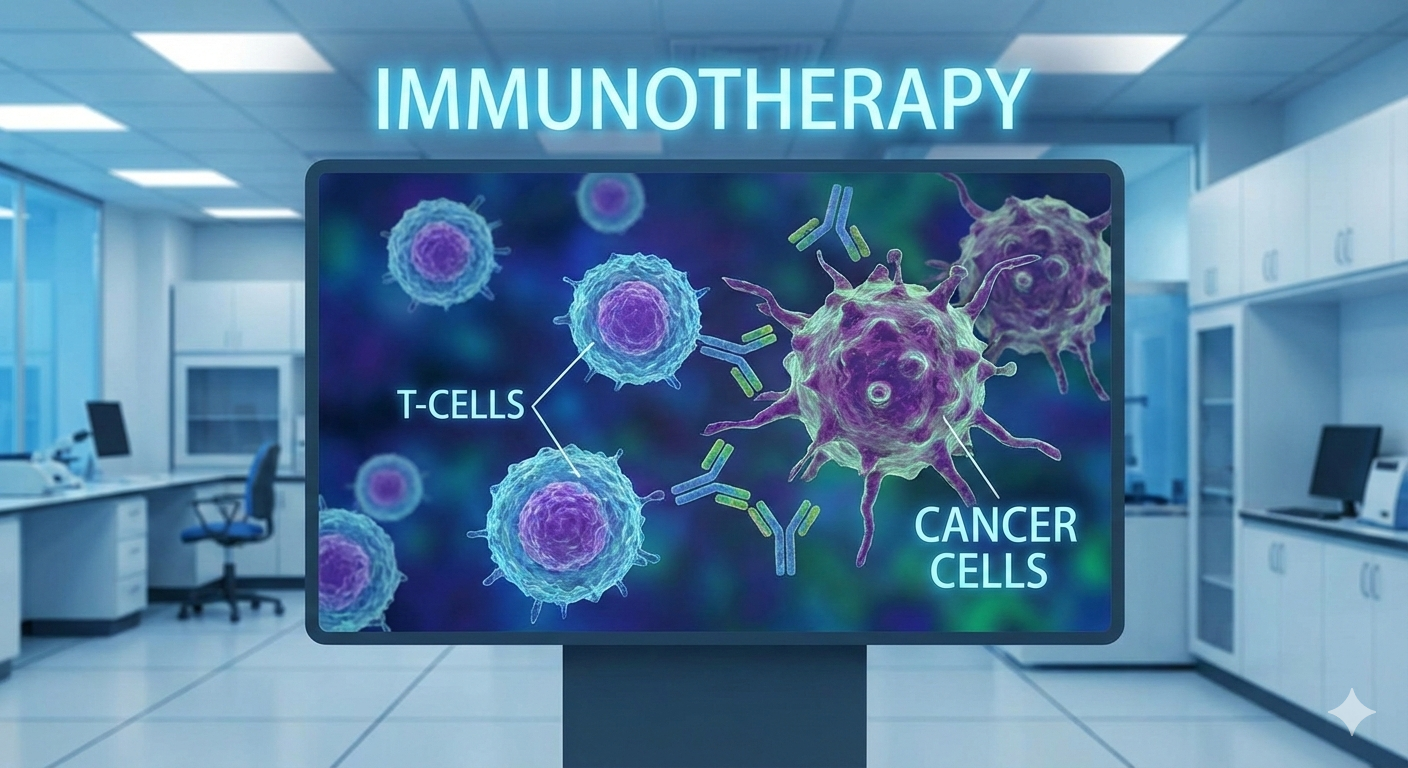
Immunotherapy is a type of cancer treatment that works by helping the body’s immune system recognize and fight cancer cells. Unlike chemotherapy, which directly attacks rapidly dividing cells, immunotherapy strengthens or modifies immune responses so the body can target cancer more effectively.
In simple terms, immunotherapy helps the immune system do what it is naturally designed to do but more efficiently.
This approach has changed treatment outcomes for certain cancers that were previously difficult to control.
Why Immunotherapy Matters in Modern Cancer Treatment
Traditional cancer treatments remain essential, but they also have limitations. Chemotherapy and radiation can affect healthy cells, leading to side effects and variable responses.
Immunotherapy matters because:
- It can provide long lasting responses in some cancers
- It targets cancer more selectively
- It may work when other treatments have limited effect
- It is often part of a combined treatment plan, not a replacement
For patients in Nepal, understanding these differences helps set realistic expectations and informed discussions with a cancer doctor.
How Immunotherapy Works
The immune system constantly scans the body for abnormal cells. Cancer cells sometimes avoid detection by “hiding” from immune responses.
Immunotherapy works by:
- Removing the “brakes” that stop immune cells from attacking cancer
- Enhancing immune recognition of cancer cells
- Supporting immune memory, which may reduce recurrence in some cases
This is why immunotherapy is sometimes described as helping the body fight cancer from within.
Types of Immunotherapy Used in Cancer Care
Not all immunotherapy treatments are the same. A cancer doctor decides based on cancer type, stage, and patient health.
Common Forms of Immunotherapy
- Checkpoint inhibitors (help immune cells recognize cancer)
- Targeted immune therapies for specific cancer markers
- Combination immunotherapy, used alongside chemotherapy or radiation in certain cases
Each option requires careful medical evaluation and monitoring.
Which Cancers May Benefit from Immunotherapy?
Immunotherapy is not suitable for all cancers, but it has shown benefit in certain conditions.
Cancers where immunotherapy may be considered include:
- Lung cancer
- Melanoma
- Some breast cancers
- Certain gastrointestinal cancers
- Head and neck cancers
- Selected blood cancers
A qualified cancer doctor in Nepal determines suitability based on clinical evidence, diagnostic results, and patient factors.
Is Immunotherapy Available in Nepal?
Yes, immunotherapy is available in Nepal in selected cancer centers under specialist supervision. However, it is not used universally or automatically for every cancer patient.
Access depends on:
- Cancer type and stage
- Availability of diagnostic testing
- Patient health status
- Cost considerations
- Specialist recommendation
Immunotherapy should only be initiated after thorough evaluation by an experienced cancer doctor.
Important Considerations Before Starting Immunotherapy
Immunotherapy is powerful, but it is not without risks. Because it activates the immune system, it can sometimes cause the immune system to attack healthy tissues.
Possible side effects may include:
- Fatigue
- Skin reactions
- Inflammation of organs (lungs, liver, intestines)
- Hormonal changes
This is why close monitoring by a cancer doctor in Nepal is essential throughout treatment.
Who Should Discuss Immunotherapy with a Cancer Doctor?
Patients may benefit from discussing immunotherapy if:
- Standard treatments have limited effect
- Cancer has advanced or returned
- Diagnostic tests suggest potential benefit
- The patient is medically fit for immune based therapy
It is important to remember that immunotherapy is not a first option for everyone, and responsible doctors will explain both benefits and limitations clearly.
Cancer Treatment in Nepal: The Role of Experience
Cancer care is complex and evolving. In Nepal, where patients may present at later stages or with limited prior screening, treatment decisions must be practical, evidence based, and individualized.
Experienced cancer doctors understand:
- When immunotherapy adds value
- When conventional treatment is more appropriate
- How to sequence treatments safely
- How to manage side effects effectively
This experience is critical to avoiding unnecessary treatment while ensuring effective care.
What is immunotherapy in cancer treatment?
Immunotherapy is a treatment that helps the immune system recognize and fight cancer cells more effectively, sometimes providing durable responses in selected cancers.
When should immunotherapy be considered?
Immunotherapy is considered when evidence shows potential benefit, often in specific cancer types or advanced disease, under specialist guidance.
Common Misunderstandings About Immunotherapy
- Immunotherapy is not a cure all
- It does not replace surgery or chemotherapy in most cases
- Side effects are different, not absent
- Results vary significantly between patients
A clear explanation from a cancer doctor helps prevent unrealistic expectations.
When to See a Cancer Doctor in Nepal
You should consult a cancer doctor if:
- You have been diagnosed with cancer
- Current treatment is not working as expected
- You are exploring additional treatment options
- You want a second opinion on advanced therapies
Early and informed consultation leads to better decision-making.
Frequently Asked Questions
Is immunotherapy safer than chemotherapy?
Immunotherapy has different side effects than chemotherapy. It may be better tolerated by some patients but still requires close monitoring.
Does every cancer patient need immunotherapy?
No. Immunotherapy is suitable only for selected cancers and specific clinical situations.
Can immunotherapy cure cancer?
In some cases, it leads to long term control, but it is not guaranteed and depends on many factors.
Is immunotherapy expensive in Nepal?
Costs vary. A cancer doctor can explain realistic options and alternatives.
How do I know if immunotherapy is right for me?
Only a qualified cancer doctor can determine suitability after full evaluation.
Conclusion
Immunotherapy represents an important advance in cancer treatment, offering new possibilities for selected patients. However, it is not a universal solution and must be used carefully, responsibly, and based on evidence.
For patients in Nepal, the most important step is informed discussion with an experienced cancer doctor who can explain when immunotherapy is appropriate and how it fits into an overall treatment plan.
Understanding options leads to better choices and better care.
Author Note

This article is written to support patient understanding of modern cancer treatment and reflects clinical practices commonly followed in oncology care in Nepal. It is informed by experience working alongside medical oncologists and multidisciplinary cancer teams, including insights from senior specialists such as Dr. Sudip Shrestha, a medical oncologist involved in cancer treatment and institutional development in Nepal.