

January is Cervical Cancer Awareness Month, a global initiative focused on education, prevention, early detection, and timely treatment of one of the most preventable cancers affecting women.
In Nepal, cervical cancer remains a major public health challenge. Many women are still diagnosed at advanced stages due to limited screening access, social stigma, and lack of awareness. Yet cervical cancer is one of the few cancers that can often be prevented, detected early, and treated effectively when appropriate steps are taken in time.
This comprehensive, evidence-based guide is written to help women, families, and caregivers in Nepal understand:
- What cervical cancer is
- Why early screening matters
- How HPV vaccination prevents disease
- When specialist-led cancer care becomes necessary
The content reflects real-world clinical experience and internationally accepted oncology guidelines, with a strong focus on patient safety, informed decision-making, and ethical cancer care.

Why Cervical Cancer Awareness Month Matters
Cervical cancer does not develop overnight. In most cases, it progresses slowly from precancerous changes that can be detected years before cancer develops.
Cervical Cancer Awareness Month aims to:
- Promote regular cervical screening
- Encourage HPV vaccination
- Reduce fear and misinformation
- Emphasize the importance of early medical consultation
Awareness is the first and most powerful step toward saving lives.
Cervical Cancer: Global and Nepal Context
Key Statistics
- Cervical cancer is the fourth most common cancer among women worldwide
- Over 600,000 new cases and 340,000 deaths occur each year globally
- Nearly 90% of deaths occur in low- and middle-income countries
- In Nepal, cervical cancer remains among the leading cancers affecting women
These figures highlight the urgent need for better awareness, prevention strategies, and access to timely cancer care within the country.
What Is Cervical Cancer?
Cervical cancer begins in the cervix, the lower part of the uterus that connects to the vagina. It usually develops over many years, starting with abnormal cell changes that can be identified through screening.
The primary cause of cervical cancer is persistent infection with high-risk types of Human Papillomavirus (HPV).
Risk Factors for Cervical Cancer
Understanding risk factors allows women to take preventive action early.
Common Risk Factors
- Persistent HPV infection
- Early onset of sexual activity
- Multiple sexual partners
- Smoking
- Weakened immune system
- Lack of regular cervical screening
Most of these risks can be reduced through vaccination, routine screening, and timely medical follow-up.
Symptoms of Cervical Cancer: What Women Should Know
Early cervical cancer often causes no symptoms, which is why screening is so important.
Symptoms That May Appear Later
- Abnormal vaginal bleeding
- Bleeding after intercourse
- Pelvic pain
- Pain during sexual activity
- Unusual or foul-smelling vaginal discharge
Women experiencing these symptoms should seek medical evaluation without delay.
Cervical Cancer Screening: The Power of Early Detection
Screening detects abnormal cervical changes before cancer develops, making treatment simpler and more effective.
Common Screening Methods in Nepal
| Screening Method | Purpose |
| Pap smear | Detects abnormal cervical cells |
| HPV DNA test | Identifies high-risk HPV infection |
| VIA (Visual Inspection with Acetic Acid) | Low-resource screening option |
Regular screening significantly reduces cervical cancer incidence and mortality.
Diagnosis of Cervical Cancer
If screening results are abnormal, further evaluation may include:
- Colposcopy
- Cervical biopsy
- Imaging studies such as CT, MRI, or PET-CT
Accurate diagnosis and staging are essential for selecting the most effective treatment plan.
Cervical Cancer Treatment: A Multidisciplinary Approach
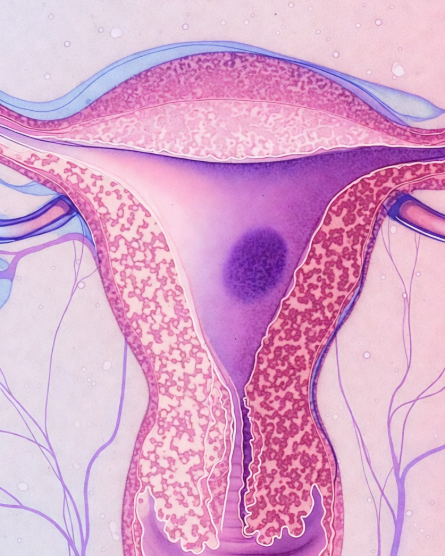
Treatment depends on several factors:
- Stage of the disease
- Tumor size
- Spread to lymph nodes or other organs
- Overall health of the patient
Common Treatment Options
| Treatment | Role |
| Surgery | Early-stage disease |
| Radiation therapy | Local disease control |
| Chemotherapy | Systemic treatment |
| Chemoradiation | Locally advanced disease |
| Palliative care | Symptom relief and quality of life |
Complex treatment decisions are best managed through coordinated care involving oncology specialists.
The Role of a Medical Oncologist in Cervical Cancer Care
A medical oncologist specializes in systemic cancer treatments such as chemotherapy, targeted therapy, and immunotherapy.
In cervical cancer care, this role includes:
- Designing individualized treatment protocols
- Coordinating with surgical and radiation teams
- Managing treatment side effects
- Providing long-term follow-up and survivorship care
This expertise is especially important in advanced, recurrent, or high-risk cases.
Why Experience and Specialist-Led Care Matter

Cancer treatment requires:
- Accurate staging
- Evidence-based protocols
- Individualized planning
- Continuous monitoring
Dr. Sudip Shrestha, a senior medical oncologist with over 25 years of experience in Nepal, has been involved in the care of thousands of cancer patients. His clinical focus includes:
- Evidence-based oncology practice
- Ethical decision-making
- Patient education and counseling
- Multidisciplinary cancer management
Such experience plays a critical role in improving treatment outcomes and patient confidence.
HPV Vaccination: Preventing Cervical Cancer Before It Starts
HPV vaccination is one of the most effective tools for preventing cervical cancer.
Benefits of HPV Vaccination
- Prevents up to 90% of cervical cancers
- Reduces HPV-related precancerous changes
- Proven safe and effective through extensive research
Vaccination is most effective before HPV exposure, but benefits extend to older age groups as well.
Cervical Cancer and Public Health in Nepal
Ongoing Challenges
- Limited screening coverage
- Social stigma
- Lack of awareness
- Late presentation
Opportunities for Improvement
- Expanded awareness campaigns
- Integration of vaccination programs
- Improved access to trained oncology specialists
National awareness efforts during January play a vital role in addressing these gaps.
Life After Cervical Cancer Treatment
Many women go on to live healthy and fulfilling lives after treatment.
Post-Treatment Care Includes
- Regular follow-up visits
- Monitoring for recurrence
- Managing long-term side effects
- Emotional and psychological support
Continuity of care is essential for long-term wellbeing.
Common Myths About Cervical Cancer
❌ Cervical cancer cannot be prevented
❌ Screening is unsafe or painful
❌ Only older women develop cervical cancer
❌ Cancer treatment always causes severe suffering
Accurate information and medical guidance help reduce fear and misinformation.
Why Cervical Cancer Awareness Matters for Families and Communities
Cervical cancer affects more than just individual women. Families and communities play a vital role by:
- Encouraging screening
- Supporting vaccination
- Reducing stigma
- Promoting early medical care
Community awareness saves lives.
Frequently Asked Questions
Is cervical cancer preventable?
Yes. Regular screening and HPV vaccination can prevent most cases.
Is cervical cancer curable?
When detected early, cervical cancer is highly treatable.
When should a woman seek medical advice?
If screening tests are abnormal or symptoms appear, prompt evaluation is recommended.
Is HPV vaccination available in Nepal?
Yes. HPV vaccination is increasingly available and strongly recommended.
Why is January important for cervical cancer awareness?
It focuses national attention on prevention, screening, and early treatment.
Medical Review Note
This content is intended for public education and awareness. It aligns with internationally accepted oncology guidelines and reflects long-standing clinical experience in cancer care, emphasizing patient safety, ethical practice, and informed decision-making.
Final Thoughts: Awareness Leads to Action
Cervical cancer is preventable, detectable, and treatable but only when awareness leads to action.
January’s Cervical Cancer Awareness Month serves as a reminder that:
- Regular screening saves lives
- HPV vaccination prevents disease
- Early consultation improves outcomes
Women are encouraged to prioritize their health, families are urged to support prevention efforts, and communities are called upon to break the silence surrounding cervical cancer.
With informed choices and timely specialist-led care, the burden of cervical cancer in Nepal can be significantly reduced.