
Cancer Day is more than a date on the calendar. Observed globally on February 4, it is a collective moment to reflect on how cancer affects individuals, families, and societies and how awareness, prevention, and early action can change outcomes.
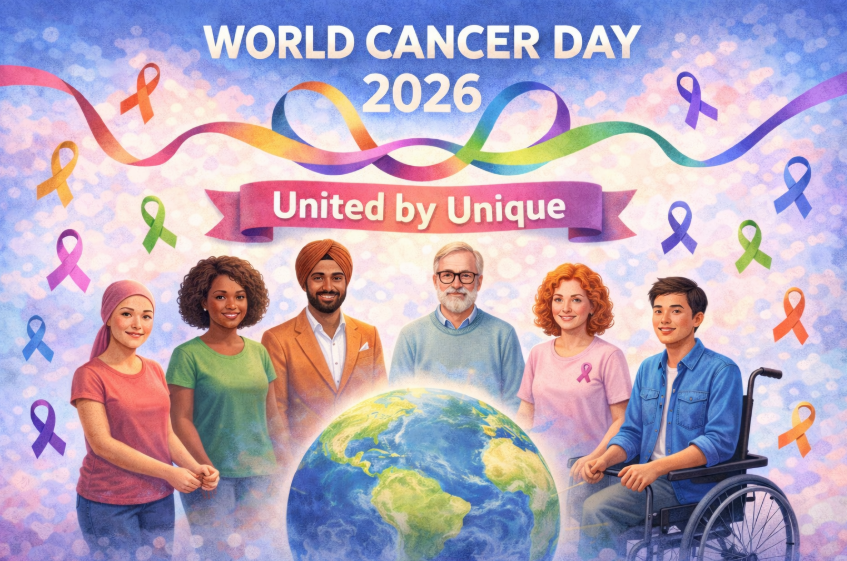
The World Cancer Day 2026 theme, “United by Unique,” highlights a simple but powerful truth: cancer unites us as a global health challenge, yet every cancer journey is biologically, emotionally, and socially unique.
This article serves one clear informational and awareness intent. It explains the meaning of World Cancer Day, places the theme in medical and social context, and examines the reality of cancer in Nepal, with a strong focus on cancer prevention backed by evidence.
What Is World Cancer Day?
World Cancer Day is a global initiative led by international cancer organizations to:
- Raise awareness about cancer
- Encourage early detection
- Promote prevention strategies
- Reduce stigma and misinformation
- Advocate for equitable cancer care
Each year’s theme shapes global messaging, education campaigns, and community discussions.
Understanding the 2026 Theme: “United by Unique”
Why This Theme Matters
Cancer is often discussed in numbers incidence, survival rates, mortality. While statistics are essential, they can overshadow the human reality.
The “United by Unique” theme shifts the focus toward people, recognizing that:
- No two cancers are exactly the same
- No two patients experience cancer in the same way
- Care must reflect biological and personal differences
At the same time, the theme reminds us that communities, health systems, and societies are united in responsibility prevention, early diagnosis, and support.
Cancer Is Not One Disease
From a medical perspective, cancer refers to the uncontrolled growth of abnormal cells. However, it is not a single condition.
Key facts:
- There are 200+ distinct types of cancer
- Each type has different causes, risk factors, and outcomes
- Treatment response varies widely among individuals
For example:
- Breast cancer in one patient may behave very differently in another
- Tobacco-related oral cancer differs from virus-related cancers
- Childhood cancers are biologically distinct from adult cancers
This diversity reinforces why personalized care and prevention are essential.
Global Cancer Burden: The Bigger Picture
According to global cancer research data:
- Over 19 million new cancer cases are diagnosed worldwide each year
- Cancer causes nearly 10 million deaths annually
- Around 40% of cancers are preventable through known measures
Despite advances in treatment, prevention and early detection remain the most effective ways to reduce cancer-related deaths.
Cancer in Nepal: A Growing Public Health Challenge
Current Situation
Cancer in Nepal is increasing due to a combination of demographic, environmental, and lifestyle factors.
Contributing elements include:
- Rising life expectancy
- Tobacco and alcohol use
- Urban air pollution
- Dietary transitions
- Limited nationwide screening programs
Many cancers in Nepal are diagnosed at advanced stages, when treatment is more complex and outcomes are poorer.
Common Cancers Seen in Nepal
| Cancer Type | Major Risk Factors |
| Lung cancer | Smoking, indoor air pollution |
| Oral cancer | Tobacco chewing, alcohol |
| Cervical cancer | HPV infection |
| Breast cancer | Hormonal and lifestyle factors |
| Gastrointestinal cancers | Diet, infections |
These patterns highlight the urgent importance of awareness and cancer prevention tailored to local realities.
Why Awareness Is Central to World Cancer Day
Cancer often begins silently.
Early-stage cancer may:
- Cause no symptoms
- Produce vague, easily ignored signs
As a result, many people delay seeking medical advice.
Awareness leads to:
- Earlier diagnosis
- More treatment options
- Better quality of life
- Improved survival rates
Medical professionals, including Dr. Sudip Shrestha, a medical oncologist, consistently emphasizes that knowledge and timely action are among the strongest tools against cancer.
Cancer Prevention: The Most Powerful Strategy
What Is Cancer Prevention?
Cancer prevention includes actions that reduce the risk of developing cancer by addressing known causes and risk factors.
Prevention works at two levels:
- Primary prevention – stopping cancer before it starts
- Secondary prevention – detecting cancer early
Primary Cancer Prevention: Evidence-Based Measures
1. Avoiding Tobacco
- Tobacco causes cancers of the lung, mouth, throat, esophagus, and more
- Both smoking and chewing tobacco increase risk
- Avoidance significantly lowers lifetime cancer risk
2. Healthy Diet
- Diets rich in fruits, vegetables, and whole grains reduce cancer risk
- High intake of processed foods and red meat increases risk
3. Physical Activity
- Regular exercise lowers risk of breast, colon, and endometrial cancers
- Physical activity also improves immune function
4. Limiting Alcohol
- Alcohol consumption is linked to multiple cancers
- Lower intake reduces cumulative risk
5. Preventing Infections
- HPV vaccination prevents cervical and other cancers
- Hepatitis B vaccination reduces liver cancer risk
Secondary Prevention: Early Detection
Early detection aims to identify cancer before symptoms appear.
Common examples:
- Cervical screening
- Breast examinations and imaging
- Oral cavity examination for tobacco users
- Awareness of warning signs
Cancers detected early are often:
- Easier to treat
- Less aggressive
- Associated with better long-term outcomes
“United by Unique” and the Human Experience of Cancer
Emotional and Social Impact
Cancer affects more than the body. It can influence:
- Mental health
- Family relationships
- Employment and finances
- Social identity
Each person’s response to diagnosis, treatment, and survivorship is different.
The theme reminds communities and health systems to:
- Respect individual needs
- Provide psychological support
- Reduce stigma and isolation
Survivorship: Life After Cancer
Advances in medicine mean many people now live long after cancer treatment.
Survivorship care includes:
- Monitoring for recurrence
- Managing long-term side effects
- Emotional and social rehabilitation
No two survivorship journeys are alike again reinforcing the message of unity through diversity.
Addressing Cancer Stigma in Nepal
In Nepal, cancer is sometimes associated with:
- Fear and fatalism
- Delayed disclosure
- Social withdrawal
World Cancer Day helps by:
- Encouraging open discussion
- Normalizing early consultation
- Promoting scientific understanding
Reducing stigma is essential for early diagnosis and effective care.
The Role of Healthcare Professionals
Cancer awareness is most effective when guided by:
- Evidence-based medicine
- Ethical communication
- Patient-centred care
Healthcare professionals contribute by:
- Educating communities
- Encouraging prevention
- Supporting patients beyond treatment
Frequently Asked Questions (FAQ)
What is World Cancer Day?
World Cancer Day is a global awareness initiative observed on February 4 to promote cancer prevention, early detection, and equitable care.
What does “United by Unique” mean?
It highlights that while cancer is a shared global challenge, every individual’s cancer experience is biologically and emotionally unique.
Is cancer preventable?
Yes. Up to 40% of cancers can be prevented through lifestyle changes, vaccination, and environmental protection.
Why is cancer awareness important in Nepal?
Many cancers in Nepal are diagnosed late. Awareness leads to earlier detection and better outcomes.
Does everyone experience cancer the same way?
No. Symptoms, treatment response, and emotional impact vary widely between individuals.
Medical Review Note
This article is based on established oncology research, global cancer statistics, and current clinical understanding as of 2026.
It is intended for educational and awareness purposes only and does not replace personalized medical consultation.
Key Takeaway: United in Purpose, Respecting Uniqueness
World Cancer Day 2026 reminds us that cancer connects humanity through a shared challenge but progress depends on recognizing individual differences.
By strengthening awareness of cancer in Nepal and prioritizing cancer prevention, communities can reduce suffering, improve outcomes, and support every unique cancer journey.
Read More :