
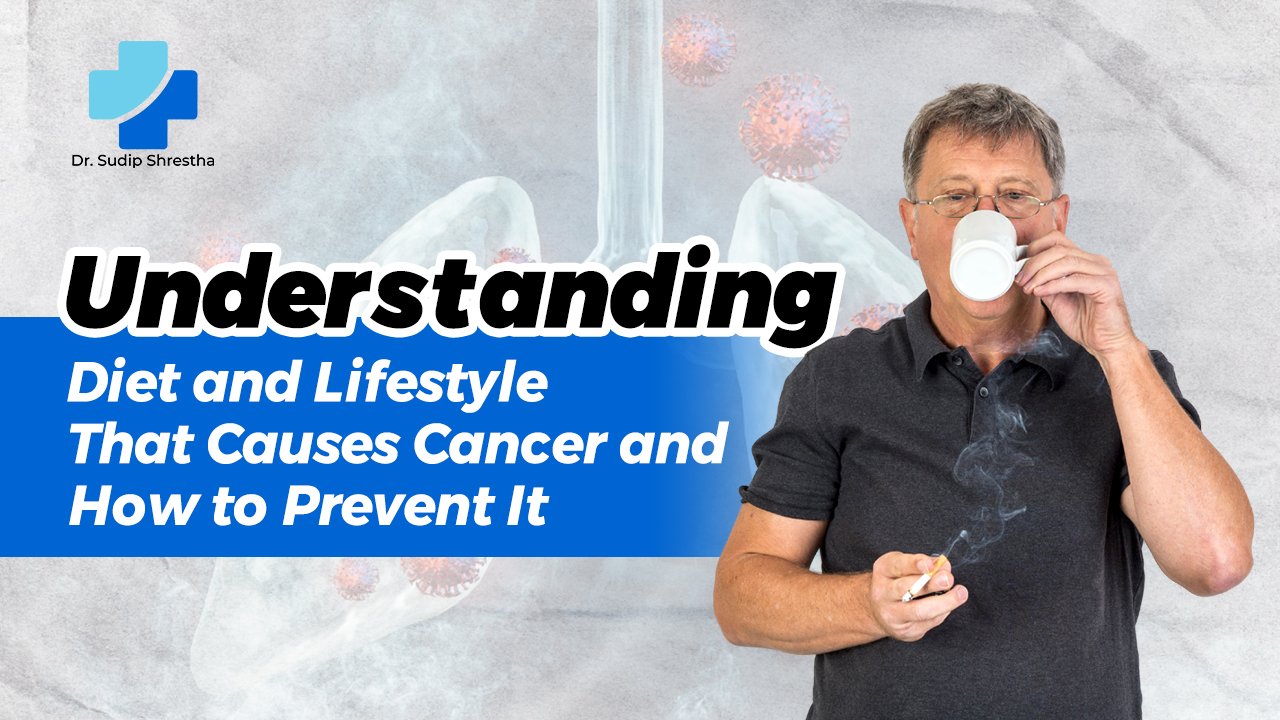
Diet and lifestyle that causes cancer: When it comes to cancer prevention, the evidence is increasingly clear. Your everyday choices around diet and lifestyle play a major role. In fact, research suggests that up to 30–50% of cancer cases could be avoided by improving diet and lifestyle related factors.
In this post we will explore which elements of the diet and lifestyle that causes cancer are most important, why they matter, and how you can shift toward habits that support health and reduce your cancer risk.
1. Why does diet and lifestyle matter ?
It’s not only genetics that determine cancer risk: a substantial proportion of risk is modifiable. The term “diet and lifestyle that causes cancer” refers to patterns of eating and living that promote cancer development. For example high consumption of processed meats, low physical activity, obesity, etc. Conversely, adopting healthier diet and lifestyle patterns can significantly lower risk.
Some key findings:
- A healthy diet (rich in fruits, vegetables, whole grains, fiber, and healthy fats) is associated with lower cancer incidence.
- Lifestyle factors like maintaining a healthy body weight, being physically active, and avoiding excessive alcohol also play a large role.
- Conversely, diets high in saturated fat, red and processed meats, low in fiber, combined with inactivity and overweight/obesity, constitute a diet and lifestyle that causes cancer.
Understanding this gives us hope. Many of the drivers of the diet and lifestyle that causes cancer are under our control. The rest of this article will detail what to avoid and what to adopt and how.
2. Key components of a diet and lifestyle that causes cancer
Here are main elements associated with increased cancer risk under the umbrella of the diet and lifestyle that causes cancer:
a) Poor diet quality
- High consumption of red and processed meat: These have been linked consistently to colorectal and other cancers.
- Low intake of fiber, whole grains, fruits and vegetables. Fiber helps reduce risk of colorectal cancer, fruits and vegetables provide protective bioactive compounds against cancer cells.
- Diets rich in saturated fat, refined carbohydrates, and low in plant‑based foods: These promote inflammation, oxidative stress and obesity, all of which feed into the diet and lifestyle that causes cancer.
- Frequent consumption of ultra processed foods and sugary drinks: Energy dense but nutrient poor foods support weight gain and metabolic dysregulation, hallmarks of a diet and lifestyle that causes cancer.
b) Overweight, obesity and excess body fat
Excess body fat is strongly linked to a number of cancers (breast, endometrial, colorectal, kidney, pancreatic). The diet and lifestyle that causes cancer often includes insufficient activity plus excess caloric intake, leading to being overweight.
c) Physical inactivity and sedentary behaviour
Even independent of diet, low activity contributes to cancer risk. The lifestyle part of the diet and lifestyle that causes cancer isn’t just what you eat, it’s how you move (or don’t move).
d) Alcohol, smoking and other exposures
While strictly diet & lifestyle, smoking is familiar; but alcohol consumption is often overlooked. Both are part of the broader lifestyle that causes cancer. According to the American Cancer Society, limiting alcohol and avoiding smoking are key prevention steps.
3. How diet and lifestyle that causes cancer work: the mechanisms
Why do these factors matter? Here are some of the ways the diet and lifestyle that causes cancer contribute at a biological level:
- Inflammation & oxidative stress: Diets low in plant based foods and high in saturated fats/processed foods increase inflammation and oxidative damage, which can promote cancer cell development.
- Hormonal dysregulation: Excess body fat can lead to higher levels of hormones (like estrogen, insulin, IGF) that fuel certain cancers. The diet and lifestyle that causes cancer often leads to hormonal imbalance.
- Immune suppression / impaired repair mechanisms: Poor nutrition, chronic sedentary behaviour, and other lifestyle factors weaken the body’s ability to repair DNA damage and fight abnormal cells, a hallmark of the diet and lifestyle that causes cancer.
- Metabolic dysfunction and obesity‑related pathways: The diet and lifestyle that causes cancer frequently leads to excess body fat, insulin resistance, altered adipokines , all of which increase risk of several cancer types.
Understanding these mechanisms makes it clear. Changing your diet and lifestyle isn’t just about “eating better” in a superficial sense, it’s about resetting multiple systems in the body away from a pattern that causes cancer and toward one that supports resilience.
4. Prevention: Changing the diet and lifestyle that causes cancer
Now for the good news: shifting away from a diet and lifestyle that causes cancer toward a cancer preventive one is quite feasible. Here are practical steps, supported by evidence:
4.1 Improve your diet
- Emphasise fruits, vegetables, whole grains, legumes, nuts and seeds: These foods are rich in fiber, vitamins, minerals, polyphenols and other protective compounds.
- Choose a dietary pattern close to the Mediterranean diet: Several studies highlight this as one of the best models for reducing cancer risk.
- Limit red and processed meats: Red meat in moderation and minimal processed meats is a strong recommendation when you’re moving away from a diet and lifestyle that causes cancer.
- Go for whole grains & high fiber foods: Fiber helps regulate weight, gut health and lower colorectal cancer risk.
- Reduce sugary drinks and ultra processed foods: Lowering energy density, removing nutrient poorer foods makes the shift away from the diet and lifestyle that causes cancer actionable.
- Maintain adequate intake of healthy fats (olive oil, oily fish, nuts): Helps with anti‑inflammatory benefits.
4.2 Adopt a healthy lifestyle
- Maintain a healthy body weight: Aim for staying lean (within normal range) through diet and activity. This counters the overweight component of the diet and lifestyle that causes cancer.
- Be physically active regularly: Exercise helps regulate hormones, reduce inflammation, improve immune function. All counteracting the lifestyle that causes cancer.
- Avoid or limit alcohol and avoid smoking: These behaviours strongly amplify cancer risk and are part of the lifestyle that causes cancer.
- Sleep, stress and other factors: While diet & physical activity get a lot of attention, good sleep, stress management and avoiding long sedentary periods also matter in shifting away from the lifestyle that causes cancer.
- Regular screening and check ups: Even with a good diet and lifestyle, early detection is important but better habits reduce the burden of risk you carry.
4.3 Realistic tips for implementation
- Start small: maybe add one extra vegetable serving each day for a week, then build from there.
- Replace, don’t just remove: Instead of just cutting processed meat, replace with plant based protein (beans, lentils) or fish.
- Make movement part of daily routine: short walks, standing breaks, active commuting.
- Monitor weight or body composition: Keeping an eye prevents creeping into the “diet and lifestyle that causes cancer” territory.
- Build social support: family, community, or even online support helps long term adherence.
- Reward progress: Better habits are more sustainable with positive reinforcement.
5. Specific lifestyle & diet changes by life stage
The risk factors and preventive actions may differ slightly at different life stages. Here’s a brief breakdown of how to apply this with respect to the theme of “diet and lifestyle that causes cancer”.
Childhood & adolescent years
- Encourage plant‑rich diets early (fruits, vegetables, whole grains).
- Limit sugary drinks and ultra‑processed foods, which set the foundation for weight gain and poor metabolism.
- Promote active play and limit screen/sedentary time.
Adulthood
- Focus on maintaining healthy weight, avoiding transitions into overweight or obesity (which increase cancer risk).
- Be particularly mindful of red/processed meat, alcohol intake, and sedentary patterns.
- Optimize diet quality: e.g. eat Mediterranean style meals, high in fiber, healthy fats, moderate animal protein.
Older age
- Diet and lifestyle that causes cancer matters here too: weight gain, inactivity, and nutrients poor diets still increase risk of several cancers.
- Maintain muscle mass via activity and protein, keep active, eat nutrient dense foods.
Stay on track with screening and monitoring.
6. Putting it all together
The phrase “diet and lifestyle that causes cancer” can feel daunting but the flip side is hopeful: we know which patterns increase risk and which patterns reduce it. By intentionally shifting diet and lifestyle away from risk factors, you can meaningfully lower your odds of cancer and improve overall health.
Summary of steps:
- Recognise key risk drivers: high processed meat, low plant foods, overweight, inactivity, alcohol.
- Shift toward protective patterns: plant rich diet, whole grains, healthy fats, regular activity, healthy weight, limited alcohol.
- Make realistic, sustainable changes rather than radical overhauls.
- Use life stage appropriate strategies and monitor progress.
- Remember mechanisms: reducing inflammation, hormonal dysregulation, oxidative stress all pathways through which the diet and lifestyle that causes cancer operate.
7. Final thoughts
While we cannot control every factor (genetics, environment, random chance), the strongest lever we have is our diet and lifestyle. Avoiding the diet and lifestyle that causes cancer is not about perfection but it’s about direction. Small, consistent improvements compound into meaningful risk reduction.
If you’ve been thinking “What can I do?” The answer is: plenty. Choose more plants, move more, sit less, limit the red/processed meats and sugar laden drinks, keep your weight in a healthy range, and avoid excess alcohol. These aren’t just good for cancer prevention, they’re good for your heart, brain, longevity and quality of life.
By making these changes and being aware of the patterns that contribute to the diet and lifestyle that causes cancer, you’re helping to stack the odds in your favour. Start today your future self will thank you.