
Lung Cancer: Causes, Symptoms, Diagnosis, and Treatment Options
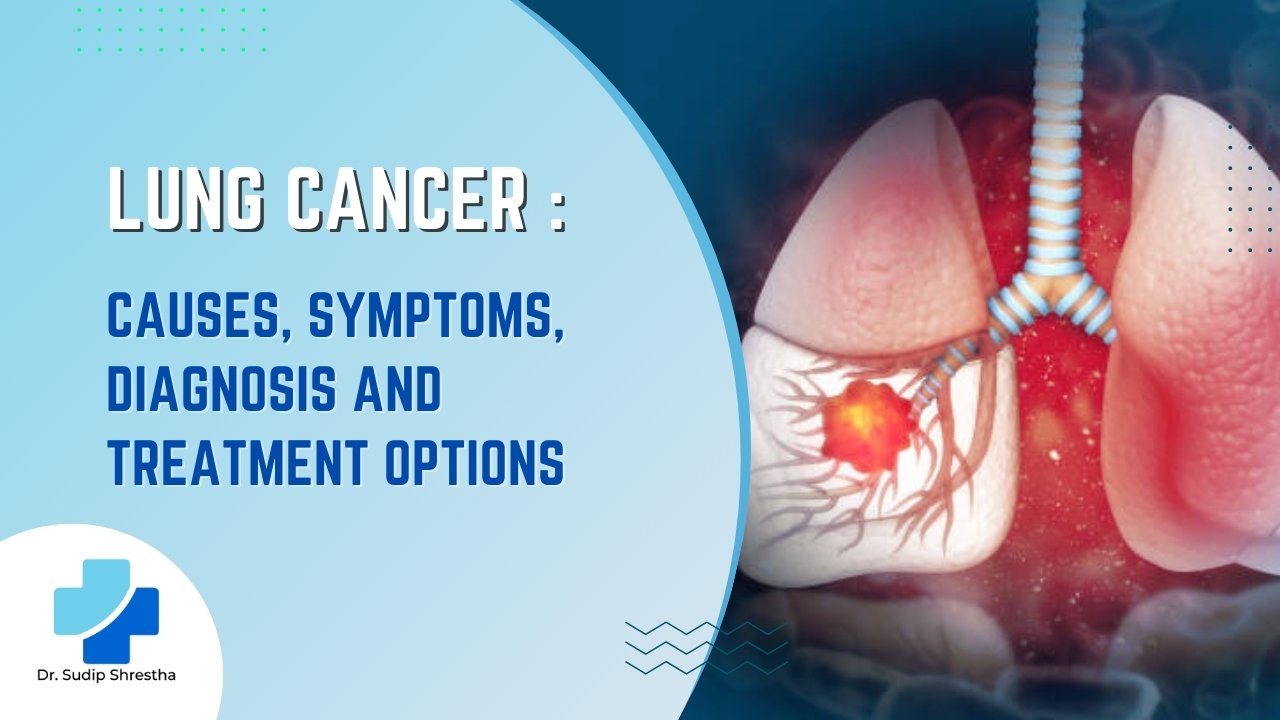
Lung Cancer

Lung cancer remains one of the leading causes of cancer-related deaths globally. In Nepal, experts like Dr. Sudip Shrestha, a renowned oncologist and founder and executive chairman Sr. Consultant Medical Oncologist of the Nepal Cancer Hospital and Research Center, are at the forefront of innovative cancer treatment and patient support. Here’s a comprehensive look at lung cancer’s causes, symptoms, diagnosis, and treatment options, with expert perspectives on improving patient outcomes. 1. Understanding Lung Cancer and Its Causes Lung cancer begins in the lungs and may spread to other areas if not treated early. This cancer type is primarily linked to smoking, accounting for nearly 80% of lung cancer cases globally. However, non-smokers are also at risk due to factors like: According to Dr. Shrestha, preventing exposure to these factors, particularly smoking cessation and air quality management, is crucial in reducing lung cancer prevalence in regions like Nepal, where pollution levels are rising. 2. Recognizing Symptoms of Lung Cancer Early detection of lung cancer is challenging because symptoms often appear only in advanced stages. Key symptoms include: Dr. Shrestha emphasizes that individuals with prolonged exposure to risk factors should seek medical advice if they notice any of these symptoms, as early diagnosis greatly improves treatment outcomes. 3. Diagnosing Lung Cancer Accurate diagnosis is essential to establish the cancer stage and develop an effective treatment plan. Dr. Shrestha advocates for advanced diagnostic techniques to identify and stage lung cancer precisely. Common methods include: In Nepal, facilities like the Nepal Cancer Hospital are increasingly equipped with advanced technologies, making it easier for specialists like Dr. Shrestha to deliver timely and precise diagnoses. 4. Treatment Options for Lung Cancer Lung cancer treatment depends on the type and stage of cancer, as well as the patient’s overall health. Common treatment options include: According to Dr. Shrestha, each patient requires a tailored treatment plan based on their specific condition and needs. Personalized treatment has shown to improve survival rates significantly and reduce recurrence. 5. Prevention and Early Detection Preventing lung cancer involves minimizing exposure to risk factors, particularly smoking. Dr. Shrestha advocates for lifestyle changes, awareness, and regular screenings, especially for high-risk individuals. Preventive strategies include: Conclusion Lung cancer remains a challenging diagnosis, but advancements in treatment and early detection can greatly improve survival and quality of life for patients. Dr. Sudip Shrestha’s contributions to cancer care in Nepal reflect a commitment to innovative and patient-centered approaches, particularly through personalized treatment plans and comprehensive care at the Nepal Cancer Hospital. For anyone at risk, understanding the symptoms and taking preventive steps can be lifesaving.


Oral Cancer

Oral cavity cancer is the one that basically occurs in any part of themouth. Oral cancer can also be termed as one of the head and neckcancers. In addition, oral cancer and other head and neck cancers arealso treated in a similar way. If oral cancer is diagnosed in the earlyphase, it can be treated easily. But it could be life-threatening ifdiagnosed in the later phases. According to a report generated, theaverage oral cancer case was 4.9 new cases per 1,00,000 men in Nepal. Parts of Oral Cavity As we’ve discussed previously, oral cavity can occur in any of the partsthat accounts to the mouth. Majorly, it can occur in the followingdifferent parts: Symptoms of Oral Cancer There can be many symptoms that can be observed for oral cancer. The major signs and symptoms of oral cancer might include these: Causes of the Oral Cancer Oral cancer forms when there is a change in the DNA in the cells in the lips or the mouth, normally known as mutations. That DNA consists of the information which then tells the cell what it should do. The changes in the mutations tells the cell to grow continuously and divide if any of the healthy cells dies. Additionally, any kind of abnormal growth of cells in the oral cavity can result in forming a tumor, which is commonly known as oral cancer. If it stays undetected for a longer period, there is a higher chance of cancer cells spreading to other parts of the mouth, or areas of head and neck as well.In general, oral cancers begin in flat and thin cells, called squamous cells that line up the lips and inside of the mouth. It is estimated that squamous cell carcinomas make up the majority of all cancers. Well, it doesn’t have a clear justification on what causes squamous cells tomutate and form a cancer at the end. But, doctors have found out certain risk factors that contribute to increasing the chances of oral cancer. Risk Factors of Oral Cancer Most of the time, oral and oropharyngeal cancer are linked with other head and neck cancers. Many of the risk factors are also similar to one another. Let’s have a look at the risk factors of oral cancer: Tobacco and Alcohol use Use of tobacco can be considered as one of the major factors for head and neck cancer, which includes oral cavity as well as oropharyngeal cancer. People who smoke are at higher risk than the people who don’t smoke. The more you smoke, the higher the risk of having oral cancer. It includes smoking from cigarettes, cigars or pipes. Pipes majorly touch the lips, causing cancer on the lips. On the other hand, heavy drinkers are at higher risk of having oral cancer than light drinkers. Also, the one who smokes as well as drinks at the same time are at even higher risk, ultimately 30 times higher. Betel quid and Gutkha Majorly in the Asian region (more specifically the South Asian region), people prefer to chew betel quid which consists of betel nut, spices, lime and few other ingredients. They also prefer to chew gutka, which is a tobacco product as well. After chewing these products, they are at higher risk of oral cancer. Human papillomavirus (HPV)infection HPV virus itself is a group of about 150 viruses. It can cause cancer inmany different areas like: cervix, vagina, mouth, throat, etc. It is morecommon on the younger generations who hence have a history ofmultiple sex partners (oral sex) and no use of any tobacco or alcoholproducts. Gender In comparison to women, men are much more likely to develop oralcancer and oropharyngeal cancer. It is because since the past, men are much more into consuming tobacco and alcoholic products. Excess body weight If you’re overweight, you’re at higher risk of cancers of the oropharynx or larynx. To reduce the risk, you can consume a lot of vegetables and fruits which will hence help you in reducing weight as well as chance of getting cancer. Age Rather than any other cancers, oral cancer takes many years to develop. In general, the patients who develop this cancer in the first phase are about 45-50 yrs. Ultraviolet (UV) light Direct exposure to the sunlight can cause cancer of the lips. It is majorly common for the people who work outdoors all the time. Poor nutrition As discussed earlier, people who do not consume enough greenvegetables or fruit are at higher risk of getting oropharynx or oral cancer. Genetic syndromes The inherited mutations can also cause cancer. In case of certain genes, people who get the inherited mutations are at the higher risk of mouth and throat cancer. Preventive Measures for Oral Cancer You cannot assure to prevent all cases of the oral cancer, but you cansurely adopt these steps and reduce the risk of developing the cancers: Avoiding tobacco and alcohol Tobacco and alcohol consumption are termed as the greatest risk factors for oral cancer. If you do not smoke, you are not at the higher risk of these cancers. Or if you quit tobacco, it can also lower the risk. Avoiding HPV infection The risk of HPV virus in the mouth or throat increases if you’re prone to oral sex or have multiple sex partners. It is advised not to have oral sex frequently to prevent from getting oral cancer. Do not expose yourself to ultraviolet (UV) rays UV rays can also be considered as one of the important risk factors for lip cancer. It is suggested not to go outdoors during the mid-day when the UV rays are strongest. If you’ve to go, you can use some sunscreen, hats, etc. Eat healthy and maintain a good health Poor nutrition and excess body weight can also result in oral cancer as well as oropharyngeal cancer. If you eat healthy food and follow a strict routine, you can have a healthy body as well as a healthy mind all the time. As a … Read more