
Cancer is no longer a rare disease. Across Nepal, the number of people diagnosed with cancer has been steadily increasing due to longer life expectancy, lifestyle changes, environmental factors, and improved diagnostic capabilities. For patients and families facing a cancer diagnosis, one of the most important questions is often simple but deeply personal:
“Who is the right oncologist in Nepal for my condition?”
Choosing an oncologist is not just about finding a doctor. It is about finding a specialist who understands the disease, the patient, and the realities of cancer care in Nepal. This article explains what an oncologist does, when you should consult one, how cancer treatment is planned, and why experience and leadership matter in oncology care. It also highlights the role of Dr. Sudip Shrestha, a senior oncologist in Nepal with more than 25 years of experience in cancer treatment and hospital leadership.
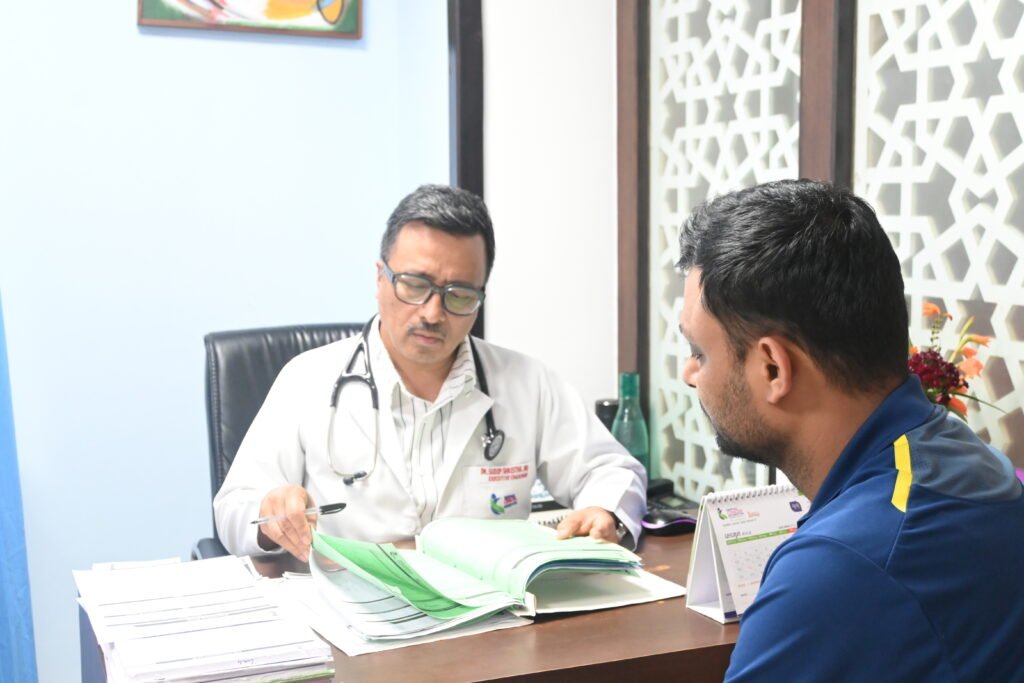
What Is an Oncologist?
An oncologist is a medical doctor who specializes in diagnosing, treating, and managing cancer. Oncology is a complex field that requires not only medical knowledge but also long-term patient follow-up, coordination with multiple specialists, and careful decision-making at every stage of treatment.
A medical oncologist focuses on:
- Cancer diagnosis and staging
- Chemotherapy and systemic treatments
- Targeted therapy and immunotherapy
- Long-term cancer management and follow-up
- Supportive care during and after treatment
In Nepal, where access to specialized cancer care has historically been limited, the role of an experienced oncologist is especially critical.
Why Choosing the Right Oncologist in Nepal Matters
Cancer treatment is rarely a single procedure or short-term intervention. It is a journey that may involve months or years of treatment, monitoring, and recovery. Outcomes depend not only on the type of cancer, but also on how well treatment decisions are made and coordinated.
An experienced oncologist in Nepal understands:
- When aggressive treatment is necessary and when it is not
- How to balance effectiveness with quality of life
- How to adapt international treatment guidelines to local realities
- How to support patients emotionally and medically
Poorly planned cancer treatment can lead to unnecessary toxicity, financial burden, and reduced quality of life. This is why expertise and experience matter so deeply in oncology.
Common Types of Cancer Managed by an Oncologist
A medical oncologist in Nepal typically manages a wide range of cancers, including:
- Breast cancer
- Lung cancer
- Gastrointestinal cancers
- Head and neck cancers
- Blood cancers
- Gynecological cancers
Each cancer type requires a different treatment approach, and care is often individualized based on patient health, cancer stage, and response to therapy.
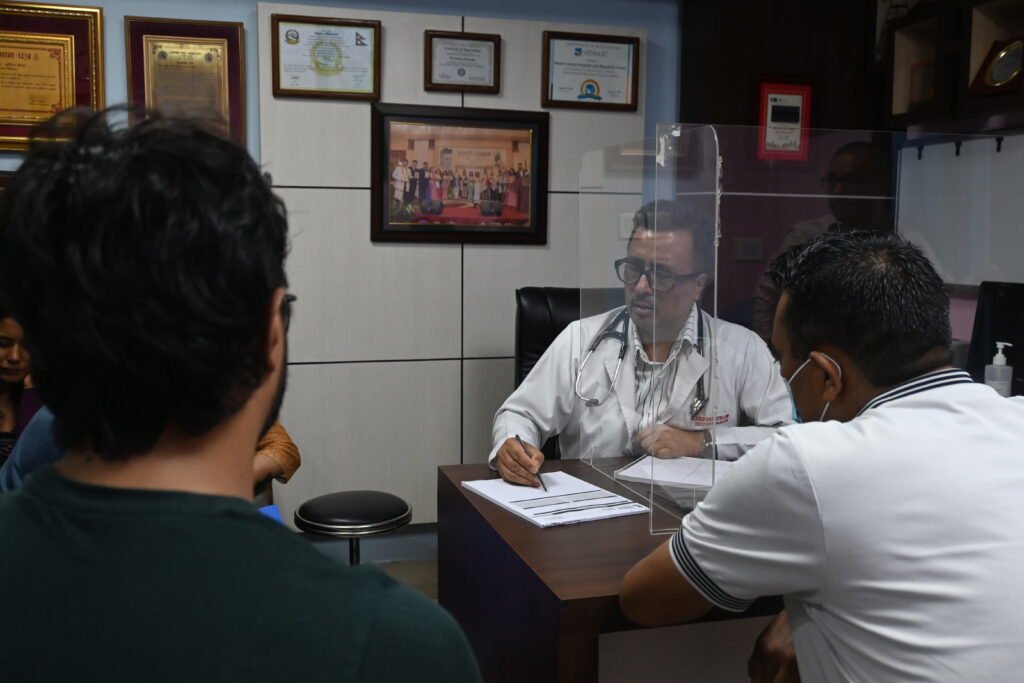
When Should You See an Oncologist?
You should consult an oncologist if:
- A biopsy confirms or suggests cancer
- Imaging shows suspicious tumors or metastasis
- You have unexplained weight loss, persistent pain, or abnormal bleeding
- Cancer has been diagnosed and treatment planning is needed
- You require long-term follow-up after cancer treatment
Early consultation with an oncologist allows for timely diagnosis and more treatment options.
How Cancer Is Diagnosed and Staged
Cancer diagnosis involves several steps:
- Clinical evaluation and medical history
- Imaging studies (CT, MRI, PET scans)
- Biopsy and pathology confirmation
- Staging to determine disease spread
Staging is crucial because it determines treatment strategy. An experienced oncologist ensures that staging is accurate and that treatment decisions are evidence-based.
Cancer Treatment Planning: More Than One-Size-Fits-All
Cancer treatment is not the same for every patient. A skilled oncologist considers:
- Cancer type and stage
- Patient age and overall health
- Genetic and molecular markers
- Patient preferences and goals
Treatment may include:
- Chemotherapy
- Targeted therapy
- Immunotherapy
- Hormonal therapy
- Palliative and supportive care
The goal is always to maximize benefit while minimizing harm.
The Importance of Multidisciplinary Cancer Care
Modern cancer care is collaborative. The best outcomes occur when oncologists work closely with:
- Surgeons
- Radiation oncologists
- Pathologists
- Radiologists
- Palliative care teams
In Nepal, building and leading multidisciplinary cancer teams has been a major step forward in improving outcomes.
About Dr. Sudip Shrestha: A Senior Oncologist in Nepal
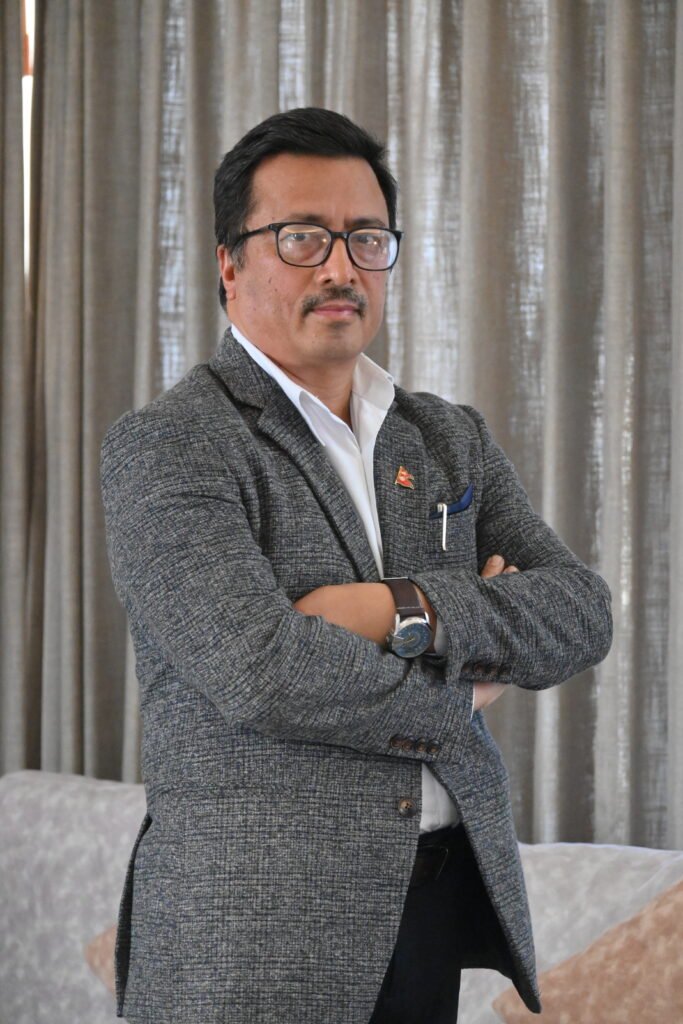
Dr. Sudip Shrestha is widely recognized as one of the most experienced oncologists in Nepal. With more than 25 years of experience in oncology, his career reflects both clinical excellence and institutional leadership.
Dr. Shrestha began his medical journey in 1985 AD and completed his MBBS from Jawaharlal Institute of Postgraduate Medical Education and Research (JIPMER), University of Madras, India. Over the decades, he has played a pivotal role in shaping cancer care in Nepal.
He was instrumental in the establishment of Bhaktapur Cancer Hospital, the second cancer hospital in the country, and currently serves as the Executive Chairman of Nepal Cancer Hospital and Research Center. Under his leadership, the hospital has expanded access to advanced cancer diagnostics and treatments under one roof.
As a senior oncologist in Nepal, Dr. Shrestha is known for:
- Evidence-based treatment decisions
- Ethical and patient-centered care
- Long-term commitment to improving oncology standards
- Mentorship of younger medical professionals
Why Experience Matters in Oncology
Oncology is a field where experience directly influences outcomes. Over time, an oncologist develops:
- Better judgment in complex cases
- Ability to anticipate complications
- Skill in balancing treatment intensity
- Confidence in managing advanced disease
A doctor with decades of experience has seen the full spectrum of cancer care from early diagnosis to survivorship and palliative care.
In cancer treatment, experience allows oncologists to personalize care, avoid unnecessary toxicity, and improve long-term outcomes.
Cancer Care Realities in Nepal
Cancer care in Nepal has improved significantly, but challenges remain:
- Late diagnosis is still common
- Awareness varies across regions
- Access to specialized care is uneven
Experienced oncologists who understand these realities can guide patients more effectively, helping them navigate treatment decisions within local constraints.
Supportive and Palliative Care in Oncology
Cancer care is not only about curing disease. Supportive care focuses on:
- Pain management
- Symptom control
- Emotional and psychological support
- Quality of life
A compassionate oncologist ensures that supportive care is integrated throughout treatment, not only at advanced stages.
How to Choose an Oncologist in Nepal
When evaluating an oncologist, consider:
- Years of experience in oncology
- Institutional and leadership roles
- Communication style and transparency
- Multidisciplinary collaboration
- Commitment to ethical care
Trust is built through clarity, competence, and consistency.
Frequently Asked Questions (FAQs)
Who is an oncologist in Nepal?
An oncologist is a specialist who diagnoses and treats cancer using medical therapies such as chemotherapy and targeted treatment.
When should I consult an oncologist?
Any confirmed or suspected cancer diagnosis should be evaluated by an oncologist.
Is cancer treatment available in Nepal?
Yes. Specialized centers and experienced oncologists provide advanced cancer care within Nepal.
Does experience matter in oncology?
Yes. Long-term experience improves decision-making and patient outcomes.
Can cancer be treated successfully?
Many cancers are treatable, especially when diagnosed early and managed appropriately.
Conclusion
Cancer care requires more than medical knowledge. It requires experience, leadership, ethical judgment, and compassion. Choosing the right oncologist in Nepal can significantly influence not only survival, but also quality of life during and after treatment.
With more than 25 years of experience, Dr. Sudip Shrestha represents a generation of oncologists who have shaped modern cancer care in Nepal. His contributions to clinical oncology, hospital development, and patient-centered care continue to improve outcomes for cancer patients across the country.
Author & Medical Content Note
This article is written for educational purposes and reflects established oncology practices and real-world clinical experience in Nepal. It does not replace individualized medical consultation.